


Ratcheting Up Web Traffic Through Affiliate Marketing
A growing number of car rental operators are tapping into this means for generating qualified online traffic, often paying on a cost-per-sale basis.
Affiliate marketing is one of the most popular and effective forms of online marketing available to car rental operators. In this form of marketing, a merchant company agrees to pay an affiliate company to send Internet traffic, leads or sales from the affiliate Web site to the merchant site. The affiliate is compensated when one of these actions occurs. This enables the affiliate to monetize its site traffic without having to own a particular product or service.
In turn, the merchant can tap into a variety of qualified traffic and pay only for a desired action. The structure of an affiliate transaction includes the Internet visitor/customer, the affiliate site and the merchant site. There are three major affiliate program payment formats:
Cost-Per-Sale (CPS)
The merchant site pays the affiliate only when it sends visitors that result in a sale. The payment may be a percentage of the sale or a flat rate.
Cost-Per-Click (CPC)
In this model, the merchant pays the affiliate based on the quantity of click-through traffic that the affiliate generates to the merchant’s site, regardless of what outcome the visit produces.
Cost-Per-Lead (CPL)
Merchants pay affiliates based on an action that qualifies the visitor as a serious lead for the product or service. This action is usually the visitor’s submission of an online form that indicates interest in the product or service. This is very common for large-ticket items such as financial services and home renovations. The most popular affiliate agreement for car rental operators is the cost-per-sale model, in which participating affiliates get paid once a reservation is completed. A common payout rate is 3-5% of time and mileage for each completed rental or a flat commission of $3-$15 per reservation.
What You Need to Get StartedAffiliate Policy
You’ll need a clear affiliate policy that covers issues such as program enrollment, responsibility of the affiliate site, pricing, procedures for linking to your site, commissions and payout procedures, terms of use, prohibited activities, trademark issues, liability and limitations, dispute resolution, indemnification and confidentiality. A professional Internet marketing company can guide you through the process of creating a program that best suits your company.
Affiliate Tracking Software
The basic principle at work here is that an affiliate site is willing to redirect its hard-earned visitor traffic to another site if, and only if, there is a high degree of likelihood that the traffic can be monetized. The most important capability the merchant must offer is a sophisticated set of tools to track Web site visits and earned commissions from affiliate sites. A good affiliate management software package will allow affiliates to change their profile information and view commission reports on such items as reservations, dollar amount, commission value and payout date. The system should also allow affiliates to view the number of ad impressions, click-through activity and conversion rate.
Moreover, the software must provide robust tools in selecting and implementing banner and text ad media. The same software ought to track the most active affiliates, manage commission payout schedules and e-mail all of your affiliates as a group. One of the better affiliate software packages is available from www.idevdirect.com.
Linking Methods
The most important part of the affiliate relationship is how and where an affiliate links to your site. The link itself will include an identifying piece of code in the URL. For example: http://www.yourcarrentalsite.com/ reservations.htm?affid=0123). This sets a cookie allowing the merchant site to track the visitor who has come from the affiliate site and report if a reservation is made on that site. There are a number of ways to have affiliates promote your site:
Text Links
These usually take the format of a simple text link to your site that includes a call to action or value statement, such as: “Great deals on car rentals in Orlando.” This is a natural way of incorporating a link and doesn’t immediately look like an advertisement.
Banner Links
These are graphic-based advertisements that can attract attention based on their size, color, position on the page, messaging and use of animation. These are effective if they encourage the visitor to click through. These various links connect to the homepage of the site, to the actual reservation system or to a particular landing page that addresses a specific offer. For example: SUV rentals. [PAGEBREAK] Promoting Your Affiliate Program
Once you have a well defined affiliate program in place with clear operating policies and procedures, you’ll need to promote the program. People who rent cars are primarily travel consumers with an array of travel requirements. You need to promote your program to hospitality, tourism and entertainment sites. Your site should have an affiliate section that promotes the benefits of your program and clearly states the commissions you’re willing to pay in the sign-up procedure. You also may want to take advantage of the various affiliate directories and search engines dedicated to promoting affiliate programs. A good place to start is www.refer-it.com, which offers a free listing service and rating system of more than 6,500 revenue-sharing programs.
Affiliate Networks
Affiliate networks are brokers that bring together affiliates and merchants. They provide the entire backend tracking capabilities and in some cases help arrange payments and links. A primary function of these networks is to promote affiliate programs to affiliates looking for a way to monetize their traffic with merchants hoping to expand their presence on the Web and pay only for sales. The network helps you find appropriate affiliates that you can either accept automatically or review for approval. The network can also set up all aspects of the program, monitor affiliate activity and issue your affiliates’ commissions. Two of the larger networks are www.comissionjunction.com and www.linkshare.com.
The cost of joining a major affiliate network ranges from $1,000 to $5,000, along with a percentage of the commission to the network. But you will have unparalleled support in ensuring the success of your program. Another model affiliate network, www.affiliatefuture.com, connects you with qualified affiliates for a percentage of the reservation without a setup fee.
How to Succeed at Affiliate Marketing
To succeed in affiliate marketing you need to nurture close relations with your affiliates. You need to stay in contact with your affiliates and look for creative ways to help them promote your services. By recognizing that these businesses are partners in your success, you can create a large network of Web sites representing companies that are enthusiastic about sending you reservations.
Your Car Rental Site as an Affiliate
More and more car rental operators are also discovering the rewards of participating as an affiliate as well as a merchant. An effective car rental site will convert visitors into reservations at a rate of 1.5 to 5%. This means that over 95% of your visitors exit your site and purchase elsewhere. If you can monetize even a small portion of this traffic, you can recoup some of your marketing costs and perhaps create a unique profit center.
Paul Allison is Internet sales and marketing manager at Car Rental Express (www.carrentalexpress.net), a British Columbia-based company that specializes in providing Web services for independent car rental operators. Car Rental Express also operates a consumer car rental site (www.carrentalexpress.com) that books reservations with independent car rental companies.
More Rental Operations

How Did This Independent Rental Operator Grow to 170 Vehicles in 4 Years?
With 170 vehicles across three Kentucky locations, Joel Price relies on an overseas team to handle reservations, payments, and after-hours customer service. It's one part of an unconventional approach to growing an independent rental operation.
Read More →
What Does It Take to Succeed in B2B Rentals?
The fundamentals may be familiar to daily car rental operators, but project-based truck rentals put different demands on the fleet and the business.
Read More →
NPR Builds on International Partnerships to Grow Rental Bookings
With Ana Laborde supporting broker development, NPR Auto Group is tailoring distribution strategies, rate packages, and partnerships to grow international reservations across its three brands.
Read More →
Advantage, Sixt Place Among Top Five in Annual Satisfaction Study
While Enterprise and National retain the top spots in JD Power’s 2026 rankings, the latest customer satisfaction results suggest renters can find competitive service beyond the biggest car rental names.
Read More →
The $100,000 Insurance Trap in Exotic Car Rentals
Exotic rental agencies often rely on customers’ personal auto policies to protect six-figure vehicles. But policy language can dramatically change the coverage for vehicles over $100,000 MSRP.
Read More →
The Booking Is Confirmed, But Is Your Customer Ready to Drive?
For international renters, a confirmed reservation doesn’t always mean they’re eligible to drive. Earlier checks can help operators catch documentation and payment issues before the customer reaches the counter.
Read More →
ICRS 2027 Opens Call for Papers
The International Car Rental Show seeks session proposals on the business, operational, and technology issues facing car rental operators. Submissions are due Jan. 15.
Read More →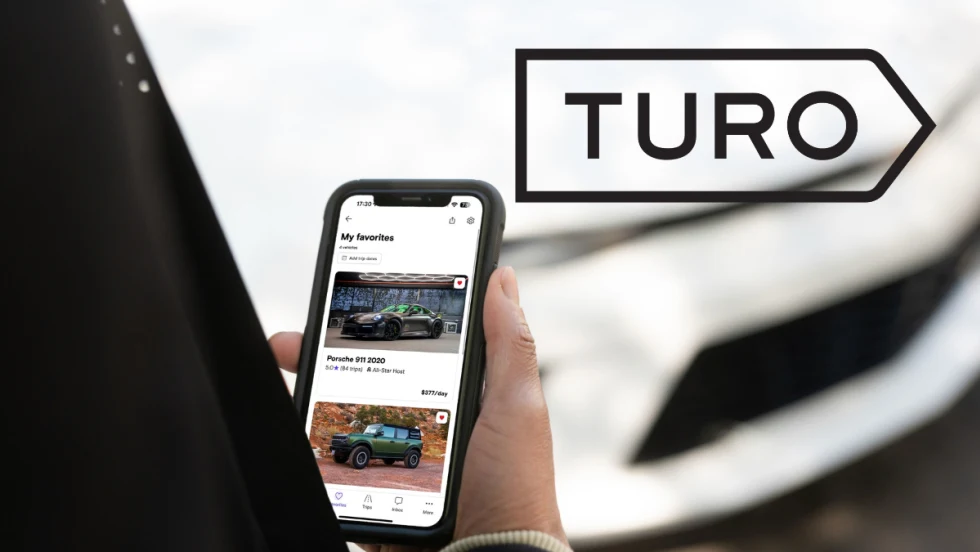
Turo to Launch Vehicle Delivery Service
Turo Delivered will let travelers search for vehicles that hosts can deliver directly to hotels, homes, airports, train stations, and other locations.
Read More →
Palm Beach Airport Code Change Creates Car Rental Distribution Gap
A test of rental searches under the old PBI and new DJT airport codes returned largely different sets of brands and vehicles, highlighting a potential distribution problem for rental operators.
Read More →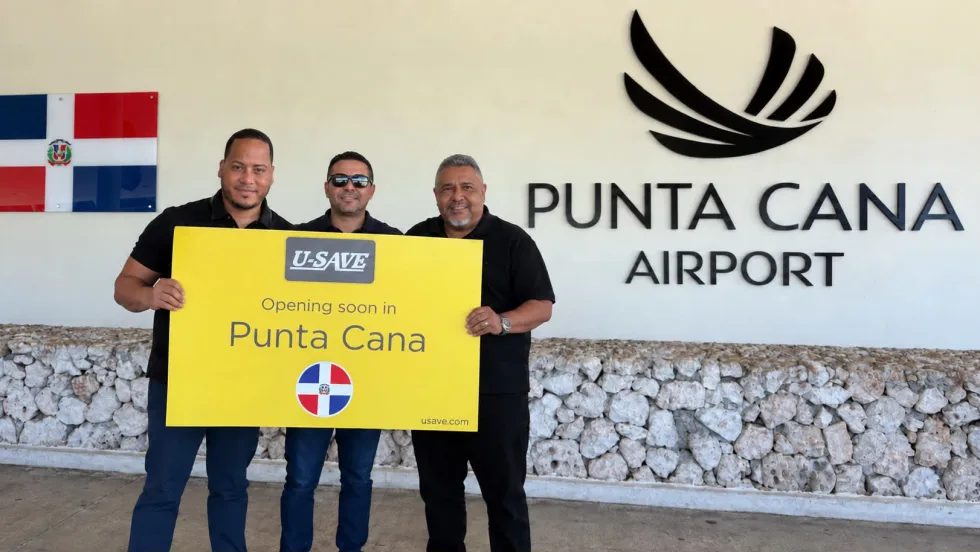
U-Save Continues Dominican Republic Expansion with Launch in Punta Cana
The new franchise location builds on U-Save’s existing Santo Domingo operation and will begin taking reservations for October 2026.
Read More →