




How the Evolution of Parking Will Affect Fleets
With cities constricting parking and now charging for use of loading zones — while fewer spaces are being built overall — fleet operators must view parking as dynamic to alleviate rising costs.


Photo courtesy of Wikipedia/Stu Pendousmat.
There was a time when pulling your company car into a reserved parking spot with your name on it conveyed a certain cachet, a symbol that you’ve arrived. Today, attitudes around ownership are changing. As we rethink how we get around, parking is inevitably evolving as well — for both consumers and fleets.
A newly released study reveals that major U.S. cities have a severe overabundance of parking compared to present-day demand, yet parking rates are rising as businesses look for ancillary revenue. “The idea that you need a reserved space is gone,” says Dan Cummings, VP of platform solutions and strategy at ParkWhiz, an online parking marketplace.
New solutions assume parking to be dynamic, and indeed technology is facilitating the change. "It’s becoming less about parking for eight hours during work and more about turning empty spaces over to individuals or fleet users when they’re available,” Cummings says.
Within the trend to build transit-friendly cities, municipalities are relaxing parking requirements on new construction. At the same time, developers aren’t planning and building traditional parking that may be obsolete in the next generation of autonomous vehicles. “This will only make the parking that remains that much more valuable,” Cummings says.
Fleet operators should see parking as fluid. “It’s not about having vehicles go back into the suburbs if it takes them three hours to get back into the city when traffic is bad,” Cummings says. “You want to stage them where you’ll need them next.”
Achieving this necessitates closer communication between those offering parking and those needing it — a better match between supply and demand — and then coming up with solutions that are flexible and dynamic based on interpretation of data.
Cummings gives the example of a stadium that doesn’t have visibility into the parking needs of season ticketholders who are guaranteed premium parking spots. They might not show up or take Lyft or Uber, leaving those spots empty when others would pay for it. “[The stadium] ends up with an under-monetized, underutilized asset, because they don’t have access to that data,” he says.
Other use cases include large downtown office garages that are underutilized during the week but filled to capacity for major events on the weekend. Dynamic fleets, such as those used by transportation network companies, could use those garages during the week but move to another close by when prices go higher for weekend events.
Ride hailing took hold in part because parking is expensive in cities, yet ride-hailing drivers need parking spots. Could those drivers use spots dedicated to carsharing fleets?
Carshare operators traditionally pay a premium for the exclusive use of reserved spaces. Adding technology and data-driven decisions could drive cost reductions for carshare operations, balancing the playing field with the ride-hailing model.
With virtual offices, incentives for public transit, and changing needs of families, commuting is becoming multi-modal, leaving free parking spaces that could be better utilized if the data was harnessed.
Chicago is now charging commercial fleets for loading zones. This opens the door to parking operators to give delivery vehicles 20 minutes of premium space at a special rate. In Chicago neighborhoods, more street space is permitted for residential only. Peer-to-peer networks could step in to offer commercial vehicles space as needed.
Parking issues may not take on the same urgency in suburban, exurban, and rural environments. Yet suburban malls are beginning to charge for VIP parking, particularly around the holidays. Those spots offer quicker access than a valet without the labor costs.
In an autonomous environment, parking only becomes more valuable as the needs for it change. Looking to the future, parking structures are being built to repurpose them as storage, office, or living space, while others have intricate mechanical loading and inventory systems.
Cummings doesn’t foresee massive parking structures on the outskirts of cities feeding autonomous vehicles (AVs) into downtowns, as the costs per mile and added congestion to get those cars into the city and back doesn’t make sense. Rather, he envisions a network of smaller hubs closer in with adaptable space.
For fleets interested in Fleet Management as a Service, these hubs will evolve into service centers for AVs — to house, recharge, clean, maintain, and opportunistically deploy them.
Right now, the evolution in parking is driven by rising expense. “Real estate costs will dictate everything,” he says. “Real estate has a funny way of driving people’s behaviors.”
More Blog Posts
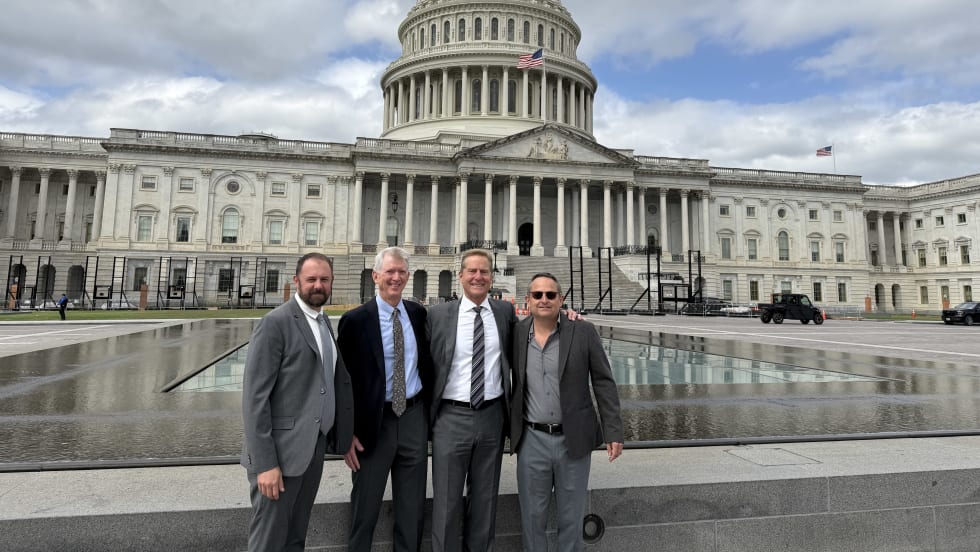
What Happens During a “Day on the Hill?”
Walking into a congressional office to discuss legislation certainly is outside the normal workday for most of us. But it’s a worthy, fun, and meaningful experience.
Read More →
What New Tariff Uncertainty Means for Rental Fleet Planning
Automakers won’t relocate production overnight, but uncertainty over Canadian tariffs could affect vehicle pricing, sourcing, and allocation well before the proposed Jan. 1 deadline.
Read More →
I'm Back
Life moves forward, as it inevitably does, but it sometimes seems to move in circles too. You end up in a different place, but you never close a door. Because you may walk back through it again.
Read More →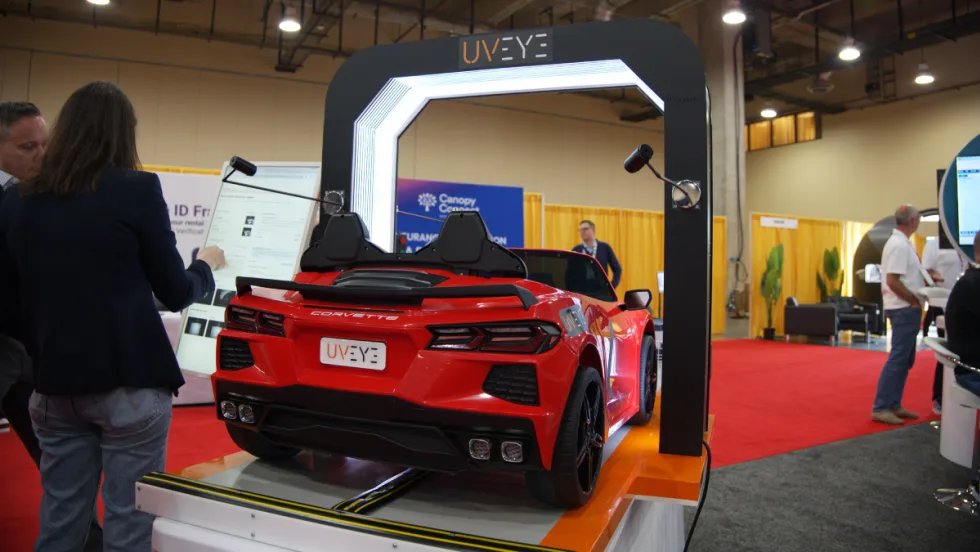
AI Can Supply The Damage Data, But Operators Must Apply The Judgments
The rental car industry held its first open discussion about the most controversial issue of the past year. Here are some key lessons, takeaways, and viewpoints.
Read More →
ICRS 2026 Countered The AI Drama, Thanks To These Panelists
One of my favorite sessions laid out the AI techno-optimism available to rental car operators ready to adapt their services for the decades ahead.
Read More →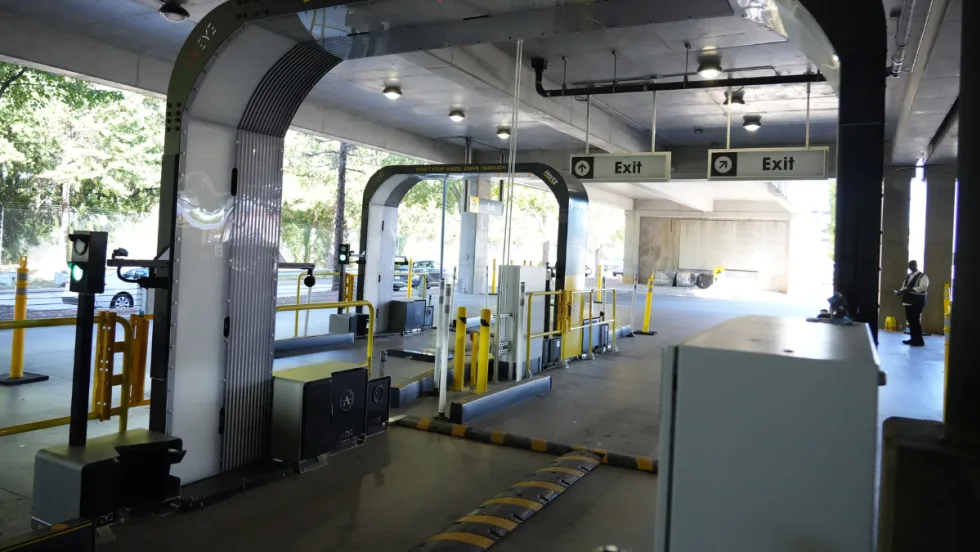
Why Is JFK’s Grandson Interested In Your Rental Fleets?
Car rental operations should follow consistent practices when applying AI to vehicle damage assessments.
Read More →
‘Zero Friction’ Is The New Buzz Phrase for ICRS
This year’s International Car Rental Show hits the hot buttons on industry change and challenges.
Read More →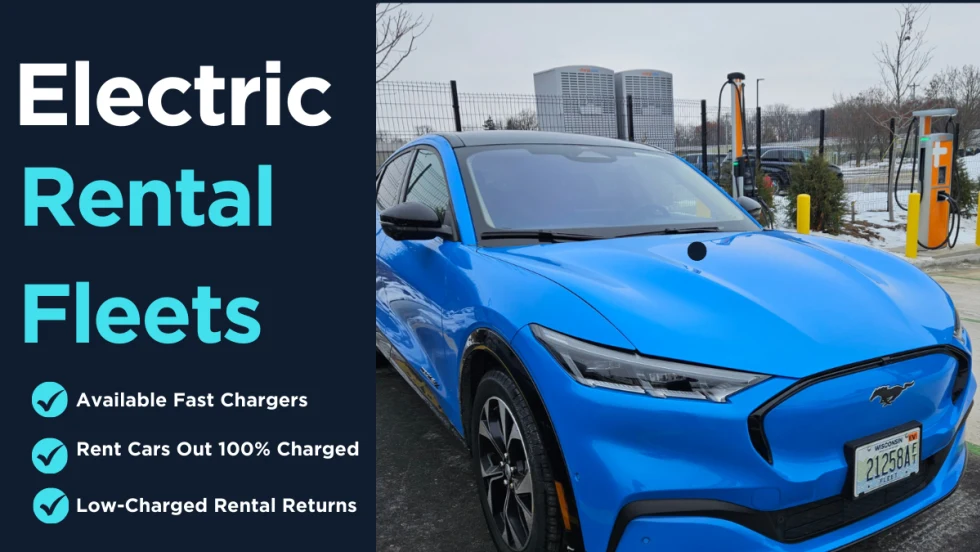
Rental EV Adoption Requires Local, Targeted Approach
The EV frenzy of the last few years has disillusioned the motoring public about going all-electric. Now it’s time to meet the market where it’s at.
Read More →
Why Car Rental Operations Must Use AI To Gain More Renters
A race has started between generations embracing AI and companies willing to adapt it to their operations.
Read More →
Speed Overtakes Car Rental Industry Practices
Technology, data, and digital advances are combining to create a business climate full of information, impatience, and instant results.
Read More →