




Car Sharing in Los Angeles May Expand Citywide
While the Los Angeles Department of Transportation suggests charging for parking spaces in the city’s car sharing program to help maintain appropriate funding, it also suggests that the city grow the pilot program to service the entire city.
Car sharing in Los Angeles is considered far behind other major urban areas in the United States. But, in an effort to popularize car sharing in this widespread metropolis the Los Angeles Department of Transportation (LADOT) recommended to the city council that it extends the On-street Carshare Pilot Program in partnership with Zipcar to Sept. 14, 2012. The year-end status report from Aug. 4 suggests that the council direct LADOT to release a request for proposals for a citywide car sharing program, which began in 2009, within 60 days of the report's release.
If LADOT's recommendation is well-received by the city council to expand the program, this would count as the second extension. In January 2010, Zipcar had left 22 vacant spaces in the city, but usage levels in the pilot program were higher than expected. The following December the program expanded to non-student areas of Hollywood - decreasing the number of vacant spaces to three out of the total 40.
Utilization figures did drop upon first rolling out to Hollywood, but this rate has now bounced back and since February 2011, remains at nearly 50 percent. Approved members also increased from 363 in July 2010 to 863 in June 2011. LADOT calls this first expansion "a success," and that because of these figures a citywide operation "could be viable."
While the L.A. ridership has increased significantly in the last year, LADOT worries about the economic future of the car sharing program, which offers free parking to its users. "In this current period of economic difficulty, the future of car share in Los Angeles will have to move to a model which incorporates charging for use of the on-street spaces in order to recoup the costs of maintenance and administration," the report states, adding that the program should work toward being self-supporting.
The city lost $20,000 in metered parking revenue from the decrease in six spaces; however, this loss is likely offset by parking citations given to regular vehicles parking in these restricted spaces. For example, 1,132 citations were issued to regular vehicles for parking in these restricted spaces and 482 vehicles were impounded in fiscal year 2010-2011.
LADOT states in the report that it wants to work with the city's current car share partner, Zipcar, to ensure continued use of the total 40 spaces allotted - an extraordinarily small number compared to cities like San Francisco, New York, Washington, D.C. and Boston, where hundreds of Zipcars pepper these areas along with at least one Zipcar storefront.
But, it should be mentioned that cities with some of the largest Zipcar fleets also have the longest-running programs. Zipcar was founded more than 10 years ago in Boston, for example, and Washington D.C. was the second metropolitan area that opened its roads to Zipcar, and New York the third. San Francisco welcomed the car sharing company in 2005.
As well, L.A. isn't the only urban area that hasn't seen quick growth in car sharing. For Zipcar, other major California cities have few spaces as well. San Diego, for example, has less than 15 and Sacramento has 10. A 2008 merger between Zipcar and Flexcar also halted expansion for a good year in cities that used Flexcar - not including at college campuses - such as in Los Angeles and San Diego, where before the merger more than 800 Flexcar vehicles were deployed between the two cities.
In a Zipcar customer survey with the year-end report on L.A.'s car sharing, around 85 percent of riders haven't ever used a car sharing service other than Zipcar and more than 70 percent live within three blocks of the nearest car share space. About half of respondents said they deferred any plans to buy a vehicle.
LADOT states that space location will play an important role in furthering the car share program, and in looking at other urban areas with Zipcars this plan could hold true. For example, 60 percent of current users reported in the survey that they would likely use the program more frequently if it included downtown L.A. The report recommends that the city strategically plan car sharing spaces around other modes of public transportation, and in areas that might need supplemental transit options at night.
After the suggested 2012 expansion of L.A.'s pilot program were to end, the city attorney and LADOT recommend that the program runs month-to-month after that, in order to give appropriate time for evaluating requests for proposals. Currently, aside from the On-street Carshare Pilot Program and a carpool rideshare program, the only other system in L.A. is LAX CarShare, which has seven locations in the city. Another recent program from car sharing technology company Zimride will allow passengers to car share trips between L.A. and San Francisco.
More Rental Operations
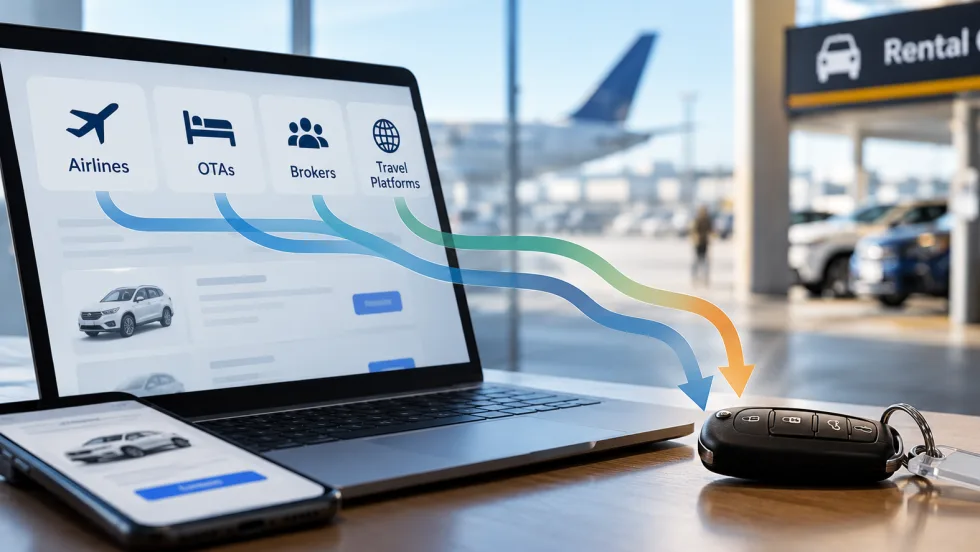
Direct, Broker or Hybrid? How Travel Retailers Source Rental Cars
As travel retailers weigh direct supplier relationships against third-party distribution, rental operators need to understand how those decisions affect their business.
Read More →
How Did This Independent Rental Operator Grow to 170 Vehicles in 4 Years?
With 170 vehicles across three Kentucky locations, Joel Price relies on an overseas team to handle reservations, payments, and after-hours customer service. It's one part of an unconventional approach to growing an independent rental operation.
Read More →
What Does It Take to Succeed in B2B Rentals?
The fundamentals may be familiar to daily car rental operators, but project-based truck rentals put different demands on the fleet and the business.
Read More →
NPR Builds on International Partnerships to Grow Rental Bookings
With Ana Laborde supporting broker development, NPR Auto Group is tailoring distribution strategies, rate packages, and partnerships to grow international reservations across its three brands.
Read More →
Advantage, Sixt Place Among Top Five in Annual Satisfaction Study
While Enterprise and National retain the top spots in JD Power’s 2026 rankings, the latest customer satisfaction results suggest renters can find competitive service beyond the biggest car rental names.
Read More →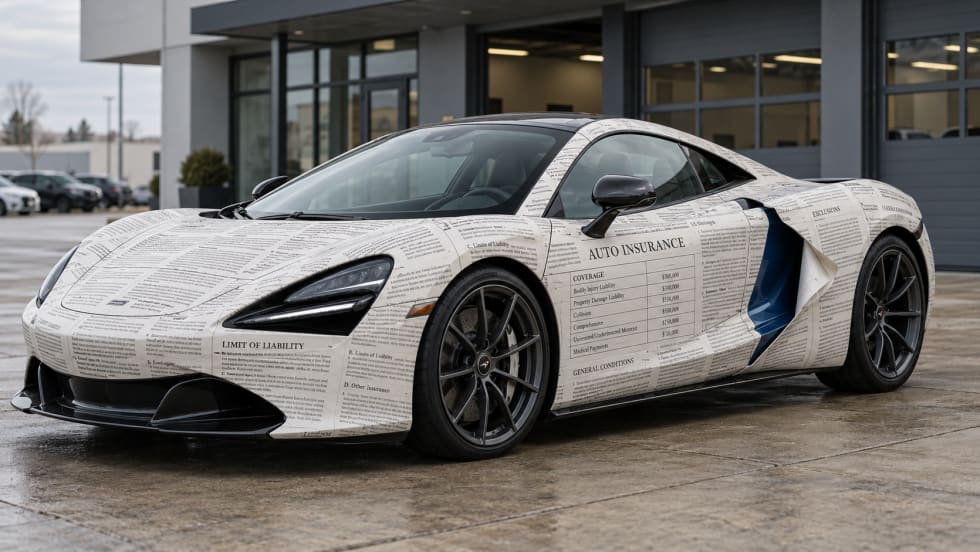
The $100,000 Insurance Trap in Exotic Car Rentals
Exotic rental agencies often rely on customers’ personal auto policies to protect six-figure vehicles. But policy language can dramatically change the coverage for vehicles over $100,000 MSRP.
Read More →
The Booking Is Confirmed, But Is Your Customer Ready to Drive?
For international renters, a confirmed reservation doesn’t always mean they’re eligible to drive. Earlier checks can help operators catch documentation and payment issues before the customer reaches the counter.
Read More →
ICRS 2027 Opens Call for Papers
The International Car Rental Show seeks session proposals on the business, operational, and technology issues facing car rental operators. Submissions are due Jan. 15.
Read More →
Turo to Launch Vehicle Delivery Service
Turo Delivered will let travelers search for vehicles that hosts can deliver directly to hotels, homes, airports, train stations, and other locations.
Read More →
Palm Beach Airport Code Change Creates Car Rental Distribution Gap
A test of rental searches under the old PBI and new DJT airport codes returned largely different sets of brands and vehicles, highlighting a potential distribution problem for rental operators.
Read More →