



Pricing Was Bad But It’s Improving
Over-fleeting and demand anomalies put unusual pressure on pricing in the first few months of 2016, but conservative fleeting and strong summer demand is turning that around, according to Hertz and Avis Budget Group’s first quarter conference calls.
The industry was over-fleeted in the first few months of 2016, which was the main driver of lower pricing. Moving into the summer, however, fleet size is conservative relative to strong peak-season demand — which bodes well for pricing. Looking at car rental supply and demand, these are the key takeaways from the first quarter conference calls from Hertz and Avis Budget Group. Enterprise Holdings is a privately held company.
Both Hertz and Avis contended that the industry as a whole had excess capacity in the first quarter, exacerbated by a few factors: a mild winter that affected insurance replacement rentals, somewhat weaker business travel, and constricted international inbound to major leisure destinations, particularly in Florida and Arizona, due to the strength of the U.S. dollar. (Though Hertz said international inbound overall saw modest growth in the quarter).
“Pricing in the first quarter was tougher than we thought it would be,” said Larry De Shon, CEO and director of Avis Budget Group, adding that pricing ended up down 5% year-over-year for the quarter.
There were attempts to raise prices in the first quarter that were not successful, primarily because of loose fleeting, De Shon said.
While overall volume grew, it was driven by leisure. Avis grew leisure volume by 7% in the Americas in the first quarter while commercial volume fell 3%. The company expects this year’s volume growth to be driven by leisure rentals. Hertz saw softening in corporate travel as well.
In the U.S., Hertz’s first quarter car rental revenue declined 8% due to industry pricing pressures and also the closure of unprofitable airport locations in the second quarter of 2015, said Tom Kennedy, Hertz’s CFO. Off-airport, Hertz similarly closed 200 stores in a strategy to boost profits.
Positive Outlook
Avis said that the unusually soft pricing in the quarter is an anomaly, not a new normal. Both Hertz and Avis saw sequential improvements in pricing moving further into spring.
“Overall, the published pricing environment was obviously quite challenging during the quarter and while still not yet considerably healthy, early signs of improvement are evident in the second quarter, especially as we head towards the peak summer season,” said Kennedy.
With the used car market still softening, both companies expect fleet costs to rise. The silver lining is that fleet cost pressures would be a tailwind to push pricing to offset margin pressures, said De Shon. Meanwhile, a return to wholesale market normalcy would positively restrict fleet levels.
To offset increased fleet costs, Avis said it would extend its fleet hold time “anywhere from two weeks to eight weeks,” though it would sell risk vehicles in the same 30,000 to 40,000 mile band.
Unfavorable currency exchange rates may still hurt inbound travel from Canada and Central and South America, though this would mostly impact the winter months; reliance on international volume declines through the summer, De Shon said.
Avis revised its full-year pricing for the Americas to be down about a point this year. While this might raise an eyebrow, pricing for the year will have been dragged down primarily by the unusually negative first quarter. Avis sees a gradual ramp up in pricing for the remainder of the year, primarily on strong leisure volume.
Regarding the near future, “It appears that the industry seems to be shifting to a better alignment of fleets with traveler demand,” said De Shon. “We'll be trying to fleet basically underneath the demand for the summer and keep our utilization improving.”
Hertz is intent on driving utilization gains, perhaps to historic levels, said Kennedy. Overall utilization came in at 77% for the first quarter, compared to historic peak fleet utilization for Hertz and Dollar Thrifty, as separate companies, of about 82%.
With sophisticated fleet management tools, Kennedy believes the company could “drive utilization above those 82% peak levels. … We clearly should be able to beat that historical peak.”
Transcripts courtesy of Seeking Alpha.
More Rental Operations
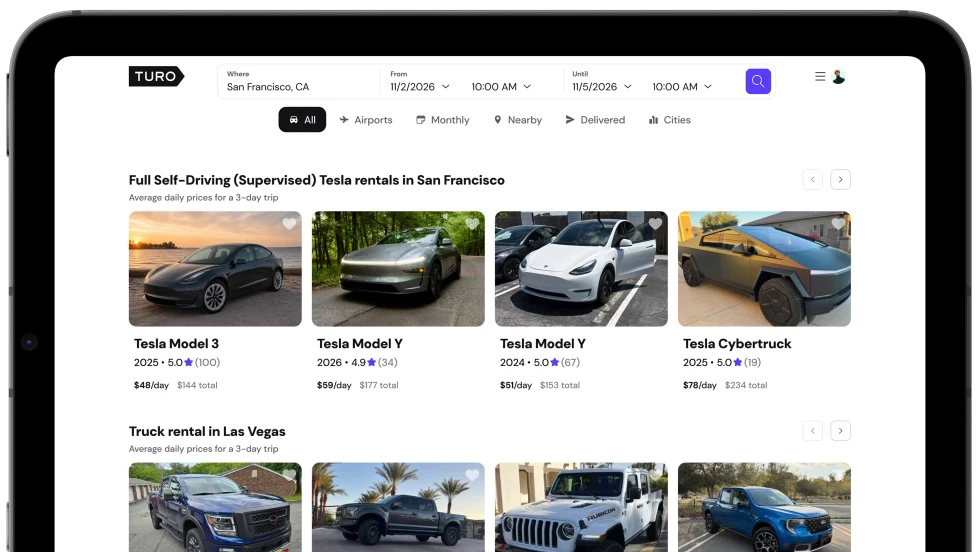
Turo and Tesla Take the Next Step Toward Autonomous Car Rentals
The partnership brings Tesla's Full Self-Driving (Supervised) technology into the rental experience, offering a glimpse of how increasingly automated vehicles could change car rental.
Read More →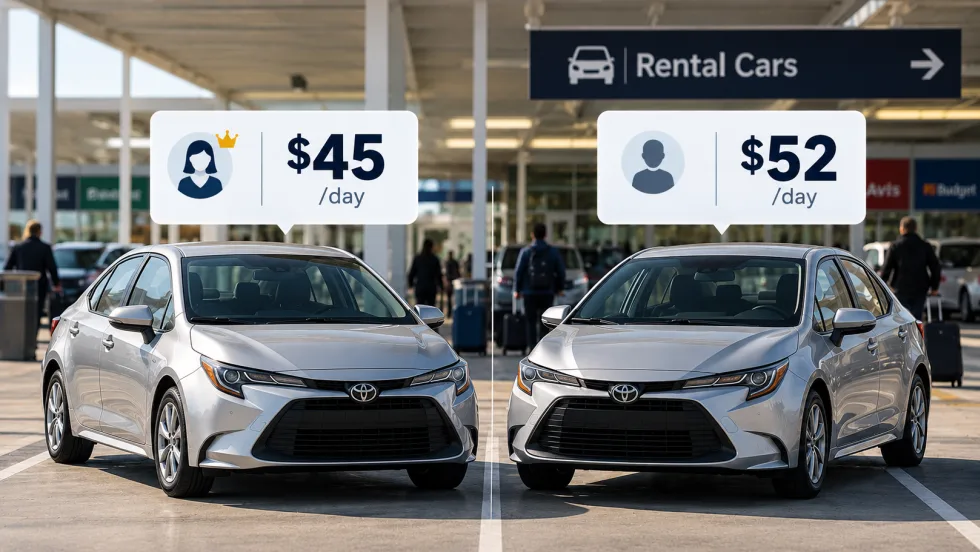
How Rental Operators Can Navigate Personalized Pricing Rules
As regulators scrutinize the use of customer data in pricing, rental operators need to know whether they can explain why one renter pays more than another.
Read More →
Direct, Broker or Hybrid? How Travel Retailers Source Rental Cars
As travel retailers weigh direct supplier relationships against third-party distribution, rental operators need to understand how those decisions affect their business.
Read More →
How Did This Independent Rental Operator Grow to 170 Vehicles in 4 Years?
With 170 vehicles across three Kentucky locations, Joel Price relies on an overseas team to handle reservations, payments, and after-hours customer service. It's one part of an unconventional approach to growing an independent rental operation.
Read More →
What Does It Take to Succeed in B2B Rentals?
The fundamentals may be familiar to daily car rental operators, but project-based truck rentals put different demands on the fleet and the business.
Read More →
NPR Builds on International Partnerships to Grow Rental Bookings
With Ana Laborde supporting broker development, NPR Auto Group is tailoring distribution strategies, rate packages, and partnerships to grow international reservations across its three brands.
Read More →
Advantage, Sixt Place Among Top Five in Annual Satisfaction Study
While Enterprise and National retain the top spots in JD Power’s 2026 rankings, the latest customer satisfaction results suggest renters can find competitive service beyond the biggest car rental names.
Read More →
The $100,000 Insurance Trap in Exotic Car Rentals
Exotic rental agencies often rely on customers’ personal auto policies to protect six-figure vehicles. But policy language can dramatically change the coverage for vehicles over $100,000 MSRP.
Read More →
The Booking Is Confirmed, But Is Your Customer Ready to Drive?
For international renters, a confirmed reservation doesn’t always mean they’re eligible to drive. Earlier checks can help operators catch documentation and payment issues before the customer reaches the counter.
Read More →
ICRS 2027 Opens Call for Papers
The International Car Rental Show seeks session proposals on the business, operational, and technology issues facing car rental operators. Submissions are due Jan. 15.
Read More →