



Sixt’s Second Quarter Results on Par with Record 2019
Though overall revenues for the quarter were underwater by about 20% compared to the same period in 2019, Sixt posted a 6.3% earnings increase. While Sixt issued full-year forecast, it cautioned that uncertainty remains especially for the fourth quarter.


This quarter, U.S. operating revenues increased 4x compared to Q2 2020. New locations at various U.S. airports are a large contributor to Sixt's growth.
Photo: Sixt
In the second quarter of 2021, Sixt Group’s business performance is on par with the record year of 2019, the company reported in a press announcement. Consolidated earnings before taxes (EBT) for the quarter was €77.9 million, up 6.3% from the 2019 comparison. However, revenue of €498.1 million was around 20% below the second quarter of 2019 (€625.7 million).
Sixt points to air traffic revenue, which fell by more than 62% globally compared to the second quarter of 2019, as an indicator of Sixt’s flexible business model.
U.S. performance led the way with travel activity starting to return to normal, as the vaccination numbers increase and more travel restrictions have been lifted. In the second quarter, U.S. operating revenues were four times higher than in the same quarter in 2020 – increasing by 65.3% to €237.6 million for the first half of 2021. The new Sixt locations at 10 U.S. airports (in 2020) achieved a market share of over 5%, which made a large contribution to the company’s growth.
With the start of the holiday season and easing of travel restrictions, Sixt saw more demand in other European countries. Operating revenues increased to €185.2 million in second quarter. Sixt + car subscription service (now offered in eight European countries) as well as internationalization of Sixt carsharing service also contributed to this growth.
In the second quarter, Sixt expanded its global fleet by adding around 70,900 vehicles, worth €2.1 billion. With available financial resources of around €1.5 billion, SIXT is equipped for further fleet expansion.
Compared to second quarter 2019, costs fell by almost 25% (€140 million), with only about 20% lower quarterly revenue.
“SIXT has used the crisis as an opportunity and expanded its market position both in Europe and especially in the United States,” said Alexander Sixt, co-CEO of Sixt SE. “Based on an optimized cost base, this is the result of a highly flexible business model, targeted acquisitions, and strategic product offensives at the right time. Above all, it is the result of the work of our highly motivated SIXT teams all over the world, who have made SIXT stronger despite all the challenges posed by the pandemic.
“Despite the extremely positive result in the second quarter, the fourth quarter of this year remains fraught with uncertainty. Here we are ultimately dependent on the course of the infection and the decisions of politicians,” added Sixt.
“Sixt is always looking ahead,” said Konstantin Sixt, co-CEO of Sixt SE. “That is why we will expand our strategic investments in products, processes, and technology in the coming years to drive the internationalization of our business and the digitization of our service offering. The strategic growth measures in the past year, such as the launch of the car subscription offer SIXT+, the investments in our van and truck business and the launch of our mobility platform ONE, were the right steps at the right time.”
Following the good performance in the second quarter, Sixt SE issued a forecast for financial year 2021 for the first time. For 2021, the Sixt Management Board expects consolidated operating revenues of between €1.95 billion and €2.10 billion (2020: €1.52 billion) and group earnings before taxes (EBT) in the range of between €190 million and €220 million (2020 from continuing operations: €-81.5 million).
This forecast was prepared based on the current market environment – in particular on the assumptions that the COVID-19 pandemic will not again lead to more profound restrictions on travel, that the price level in the United States and Europe will continue, and that the supply bottlenecks for vehicles as a result of the semiconductor crisis will not worsen.
More Rental Operations
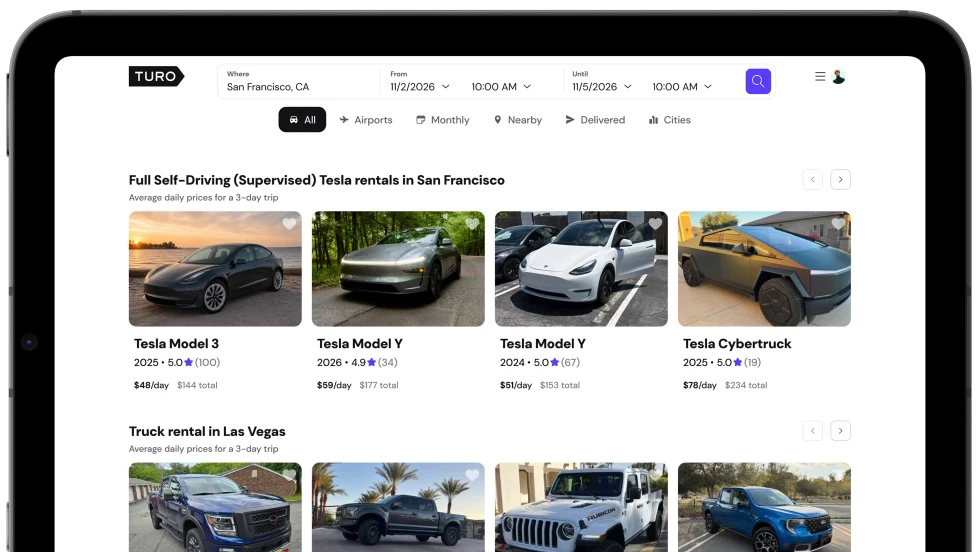
Turo and Tesla Take the Next Step Toward Autonomous Car Rentals
The partnership brings Tesla's Full Self-Driving (Supervised) technology into the rental experience, offering a glimpse of how increasingly automated vehicles could change car rental.
Read More →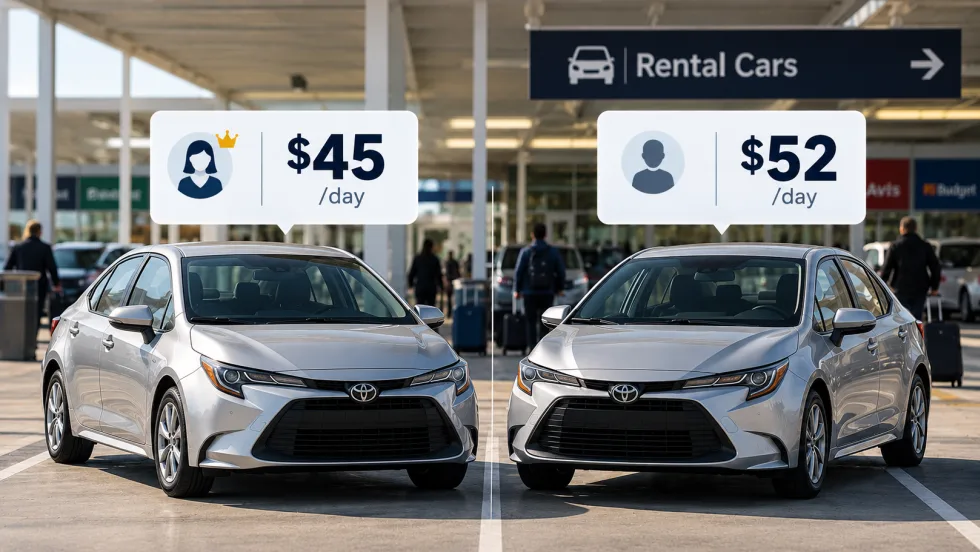
How Rental Operators Can Navigate Personalized Pricing Rules
As regulators scrutinize the use of customer data in pricing, rental operators need to know whether they can explain why one renter pays more than another.
Read More →
Direct, Broker or Hybrid? How Travel Retailers Source Rental Cars
As travel retailers weigh direct supplier relationships against third-party distribution, rental operators need to understand how those decisions affect their business.
Read More →
How Did This Independent Rental Operator Grow to 170 Vehicles in 4 Years?
With 170 vehicles across three Kentucky locations, Joel Price relies on an overseas team to handle reservations, payments, and after-hours customer service. It's one part of an unconventional approach to growing an independent rental operation.
Read More →
What Does It Take to Succeed in B2B Rentals?
The fundamentals may be familiar to daily car rental operators, but project-based truck rentals put different demands on the fleet and the business.
Read More →
NPR Builds on International Partnerships to Grow Rental Bookings
With Ana Laborde supporting broker development, NPR Auto Group is tailoring distribution strategies, rate packages, and partnerships to grow international reservations across its three brands.
Read More →
Advantage, Sixt Place Among Top Five in Annual Satisfaction Study
While Enterprise and National retain the top spots in JD Power’s 2026 rankings, the latest customer satisfaction results suggest renters can find competitive service beyond the biggest car rental names.
Read More →
The $100,000 Insurance Trap in Exotic Car Rentals
Exotic rental agencies often rely on customers’ personal auto policies to protect six-figure vehicles. But policy language can dramatically change the coverage for vehicles over $100,000 MSRP.
Read More →
The Booking Is Confirmed, But Is Your Customer Ready to Drive?
For international renters, a confirmed reservation doesn’t always mean they’re eligible to drive. Earlier checks can help operators catch documentation and payment issues before the customer reaches the counter.
Read More →
ICRS 2027 Opens Call for Papers
The International Car Rental Show seeks session proposals on the business, operational, and technology issues facing car rental operators. Submissions are due Jan. 15.
Read More →