



Rajagopalan led a panel discussion on OEM data integration at the 2020 Fleet Forward Experience. The seminar is accessible here.
GM, Motorq Unveil System to Streamline Fleet Order-to-Delivery
Motorq’s connected car APIs enable fleet owners to identify the location and pre-delivery status of General Motors’ vehicles. The system uses OnStar technology for “surgical” enablement of data that can be stopped or started as needed.
November 18, 2020

Wherever the vehicle is — on a railcar coming from a plant in Mexico, dropped at a shipping port, or on a dealer’s lot — the system will “wake up” the modem to receive data, put it back to sleep, and wake it back up to pull new data further along the journey.
Photo courtesy of Motorq.
3 min to read
“We can track a $20 pizza, why can’t we track a $20,000 car?”
The question came up in a conversation between Arun Rajagopalan, cofounder and CEO of Motorq, and a fleet management company in late 2019. It referenced the pain points in the lifecycle of a vehicle before it lands in the hands of its end user.
Rajagopalan explains the series of phone calls between the factory, car carrier, dealer, fleet management company, or fleet operator to align the vehicle’s workflows to its location. “You order a vehicle, the plates and the titling guys have to come at the right time before the vehicle can roll off the lot,” he says, as one example. “I think for the almost 3 million vehicles sold every year to fleets, this is a big problem.”
For large fleets with an existing GM Fleet Account Number, that process has changed. Motorq, the connected car API company, and General Motors have integrated GM’s OnStar Pre-Delivery data service with Motorq’s cloud-based platform to allow fleet operators to identify and track the location of Chevrolet, Buick, GMC, and Cadillac vehicles throughout their logistics lifecycles. The service is available now.
With the benefit of OEM-embedded OnStar technology, the process is enacted with a software switch. Unlike an installed telematics device with a monthly service charge, this system allows for “surgical” enablement of data for a specific time period and under particular conditions. The user can stop and restart the flow of data as needed.
Wherever the vehicle is — on a railcar coming from a plant in Mexico, dropped at a shipping port, or on a dealer’s lot — the system will “wake up” the modem to receive data, put it back to sleep, and wake it back up to pull new data further along the journey. “We worked with GM on the specs to figure out how many times we can wake it up before we risk draining the battery,” Rajagopalan says. “All this stuff has been thought through.”
The Motorq system can also be used by dealers for lot management or in the remarketing process, or during titling and registration: “Wherever the workflows can be influenced by better logistical visibility across the supply chain,” he says.
The information is available in real time through a web-based portal and comes in an emailed report in which a user can click on any vehicle to see its breadcrumb trail to date.
In this instance, OnStar is the technology to activate the system; users don’t need a subscription. Motorq obtains consents from the asset owners and the ordering entities, and then it executes the consent workflows through automated software and API's.
For users of the system, the benefits are cost reductions in personnel to track potentially thousands of orders. As well, delivering vehicles sooner to customers allows them to generate revenue sooner, Rajagopalan says.
“We saw a huge opportunity to leverage the power of OnStar for an entirely new use case — helping fleet customers better track the location and status of their vehicles, many of which were mission-critical for the response to COVID-19,” said Ed Peper, U.S. vice president at General Motors Fleet, in a statement. “Our collaboration with Motorq enabled us to quickly solve a short-term problem and create a new long-term opportunity for our customers as well.”
While work and travel restrictions stemming from Covid-19 made this process even more difficult, Rajagopalan reconvened with fleet management companies during development to gauge interest in the idea. “The whole tracking of delivery after vehicle ordering was already a pain point, and then COVID-19 just exacerbated the problem,” he says. “We asked (our partners) if this was a COVID-19 thing, or a permanent thing? They said it’s a permanent thing. And then we put the pedal to the metal.”
Originally posted on Automotive Fleet
Subscribe to Our Newsletter
More Rental Operations
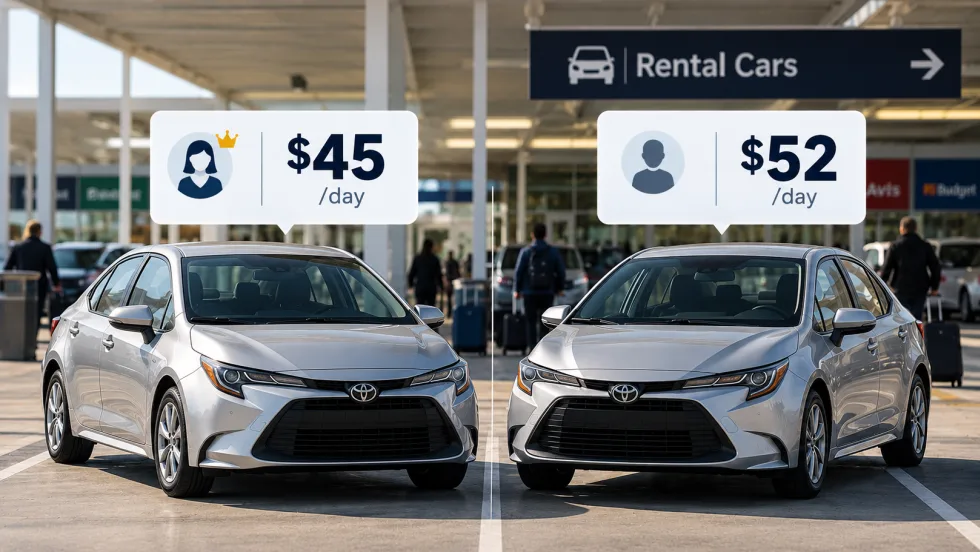
How Rental Operators Can Navigate Personalized Pricing Rules
As regulators scrutinize the use of customer data in pricing, rental operators need to know whether they can explain why one renter pays more than another.
Read More →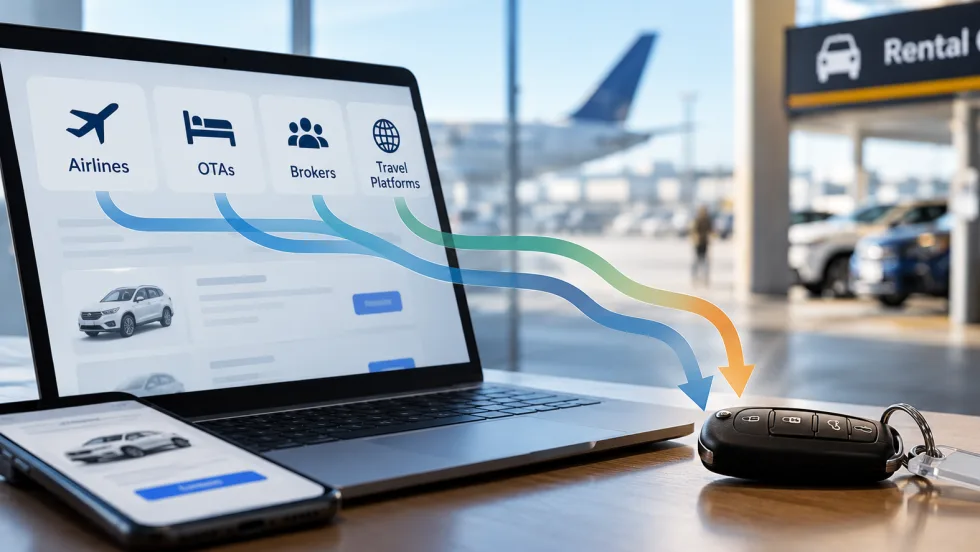
Direct, Broker or Hybrid? How Travel Retailers Source Rental Cars
As travel retailers weigh direct supplier relationships against third-party distribution, rental operators need to understand how those decisions affect their business.
Read More →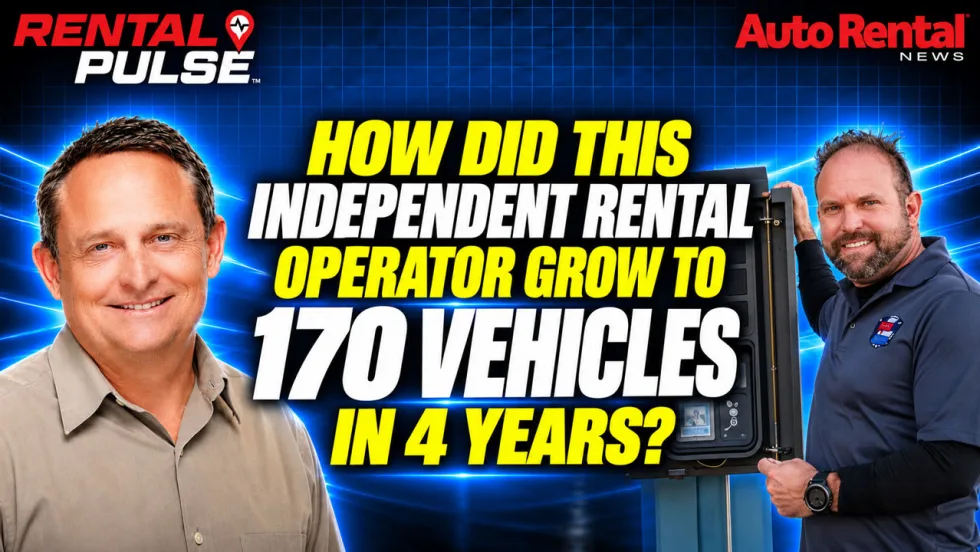
How Did This Independent Rental Operator Grow to 170 Vehicles in 4 Years?
With 170 vehicles across three Kentucky locations, Joel Price relies on an overseas team to handle reservations, payments, and after-hours customer service. It's one part of an unconventional approach to growing an independent rental operation.
Read More →
What Does It Take to Succeed in B2B Rentals?
The fundamentals may be familiar to daily car rental operators, but project-based truck rentals put different demands on the fleet and the business.
Read More →
NPR Builds on International Partnerships to Grow Rental Bookings
With Ana Laborde supporting broker development, NPR Auto Group is tailoring distribution strategies, rate packages, and partnerships to grow international reservations across its three brands.
Read More →
Advantage, Sixt Place Among Top Five in Annual Satisfaction Study
While Enterprise and National retain the top spots in JD Power’s 2026 rankings, the latest customer satisfaction results suggest renters can find competitive service beyond the biggest car rental names.
Read More →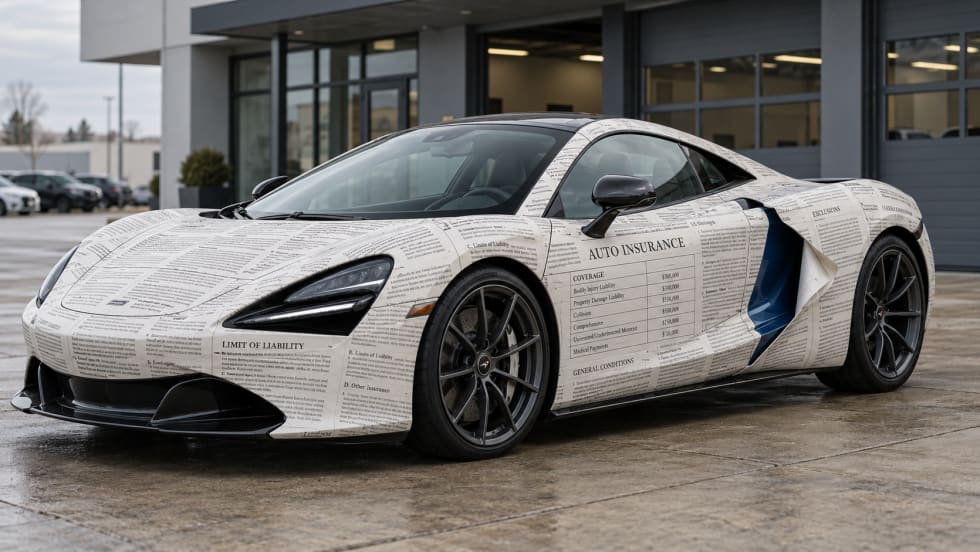
The $100,000 Insurance Trap in Exotic Car Rentals
Exotic rental agencies often rely on customers’ personal auto policies to protect six-figure vehicles. But policy language can dramatically change the coverage for vehicles over $100,000 MSRP.
Read More →
The Booking Is Confirmed, But Is Your Customer Ready to Drive?
For international renters, a confirmed reservation doesn’t always mean they’re eligible to drive. Earlier checks can help operators catch documentation and payment issues before the customer reaches the counter.
Read More →
ICRS 2027 Opens Call for Papers
The International Car Rental Show seeks session proposals on the business, operational, and technology issues facing car rental operators. Submissions are due Jan. 15.
Read More →
Turo to Launch Vehicle Delivery Service
Turo Delivered will let travelers search for vehicles that hosts can deliver directly to hotels, homes, airports, train stations, and other locations.
Read More →