




Learn More:How To Gain More Revenue in a Digital World
Rental Car Tech Trends for 2025
2025 Auto Rental News Fact Book: AI, telematics, vehicle data and tracking, and electric vehicles all rank atop advancing technologies throughout the auto rental sector.
January 2, 2025

Among the many tech recommendations for car rental operations is that must emphasize digital proofs and signatures, invest in systems that accurately document vehicle damage, and collect the data needed to file accurate insurance claims.
Photo: DriveX
5 min to read
Problem-solving is a common theme and motive emerging from the many tools, gadgets, and systems connected to car rental businesses.
This decade has brought a cascade of new tech that can lead to safer, faster, and more profitable car rental operations. The challenge lies in choosing which tech products to adopt first and when.
In 2024, ARN identified leading tech trends and tidbits from the American Car Rental Association (ACRA) annual conference in Washington, D.C., Sept. 16-18, 2024, and the International Car Rental Show in Las Vegas, April 15-17, 2024. Industry speakers, leaders, and panelists at the two events focused on the primary tech drivers spurring rental fleets for the rest of the decade:
Keeping Up With Technology Advances
Car rental operators are seeing more demand for new technologies that do more with less and require a strategy to install and implement.
Technologies need to work together to provide a streamlined experience for renters with automated processes that reduce costs.
Rental car companies can use technology to adjust pricing based on vehicle availability. Tools are available that automate pricing changes.
The range and capability of rental software is expanding as operators use tech innovations to control business costs and avoid rising labor costs.
While technology can be a force multiplier and a shortcut to efficiency, rental car businesses need a strategy before choosing new tech.
Telematics and Improvements in Vehicle Damage and Recovery
Companies must emphasize digital proofs and signatures, invest in systems that accurately document vehicle damage, and collect the data needed to file accurate insurance claims.
Digital lost-and-found tracking systems can provide a reliable custody chain while protecting personal information. A secure system can also prevent employees from misusing lost items. Companies should communicate early and often with car renters about pending item returns.
Telematics will play a bigger role in vehicle recovery in the rental car industry. Electronic ping rates are essential for tracking and finding vehicles.
Integrating telematics with rental software systems can better manage vehicle availability and prevent theft.
Telematics also offers the potential to enhance customer service and safety.
Consider implementing geofencing to track vehicle locations and set boundary rules.
Explore using telematics to monitor driver behavior patterns over time.
Integrating telematics with camera systems and providing context on vehicle behavior and usage.
Operations should work to segregate data shared with third parties to ensure security and privacy.
Real-time tracking for vehicle recovery can reduce time spent working with law enforcement.
Third-party collection companies can help recover rental vehicles faster.
Geofencing provides context on vehicle locations, prevents or reduces damage in specific areas, and improves vehicle management.
Credit card data and other insights can help rental car operations better understand customer behavior and prevent problems. Analyzing customer payment trends can identify and prevent issues recovering vehicles.
Telematics can engage customers and provide safety alerts in case of accidents.
Overall, telematics' data, tracking, and insights can better predict rental fleet maintenance needs and enhance customer experience overall, satisfying customers and making them more likely to return.
Growth in Usage and Applications of AI
Rule No. 1: Do not rely solely on AI solutions. First, understand your business to see where it could help.
As AI grows, it will need to be balanced with common sense, while laws must keep up with technological advancements.
AI will replace some customer service jobs, but new jobs will emerge for those replaced.
Younger generations are more likely to adopt AI technology, while more experienced operators may need training to use it effectively.
AI may automate testing processes, but human programmers will always be needed for complex tasks.
AI can help manage risk and improve processes, such as drafting car rental agreements based on the renter's profile.
AI tools can verify identities and insurance coverage, score risk levels, and enhance or speed up employee roles.
AI has the potential to boost sales and customer service by providing consistent and thorough explanations of rental products and policies.
As rental fleet operators consistently load data into AI platforms, it will lead to more accurate predictions and understanding.
AI can handle 80% of customer service inquiries, allowing employees to handle more complex tasks.
Chatbots can identify and explain customer charges, simplify the inquiry process, and reduce confusion. AI can help businesses improve customer support and internal operations.
AI can streamline the pre-rental, during-rental, and after-rental car rental processes.
An AI bot could help operators make business and operational decisions, connect to providers, and find vehicle and equipment financing options.

Most drivers' first experiences with electric vehicles will happen through car rentals. Rental car operators should consider carefully how long they keep EVs in rental fleets to maximize resale values amid market volatility.
Photo: Turo
More Electric Vehicles Are Coming to Rental Fleets — Eventually
Most drivers' first experiences with electric vehicles will happen through car rentals.
Consumers still show interest in EVs but remain concerned about affordability and charging infrastructure access. Affordability remains a big barrier to EV adoption, with an average $6,500 price premium between EVs and ICE vehicles.
The EV market will become more competitive with BYD-manufactured cars from China, which retail for around $10.000. U.S. consumers likely won't turn them down, and EVs will change how rental fleets do business.
Tech advances will enable future electric vehicles to reach a range of 900 miles and lower charging times to 10 minutes.
EV retention is expected to improve due to MSRP cuts and a diverse mix of vehicles on the retail side.
Growing EV inventory and incentives are leading to price drops and increased demand.
EV buyers are diversifying from the Tesla brand into other luxury and mainstream U.S. OEM brands.
Operators should consider carefully how long they keep EVs in rental fleets to maximize resale values amid market volatility.
Leasing for EVs has increased notably, providing a loophole for federal tax credits and an opportunity to test the vehicle.
EV battery prices will likely decrease further, spurring the EV industry. Battery health is crucial for used EVs, as charging habits affect residual values.
A San Francisco study shows electric vehicles improve air quality.
Subscribe to Our Newsletter
More Rental Operations
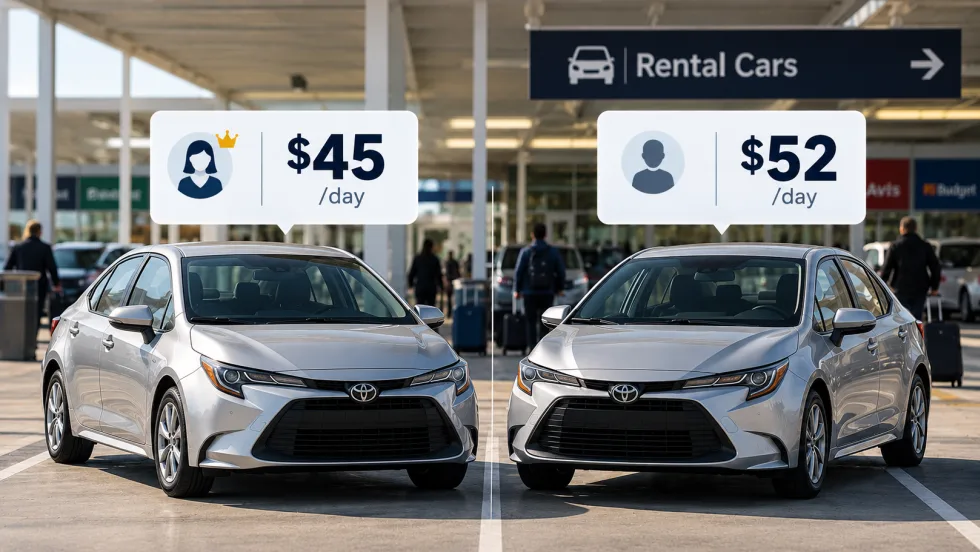
How Rental Operators Can Navigate Personalized Pricing Rules
As regulators scrutinize the use of customer data in pricing, rental operators need to know whether they can explain why one renter pays more than another.
Read More →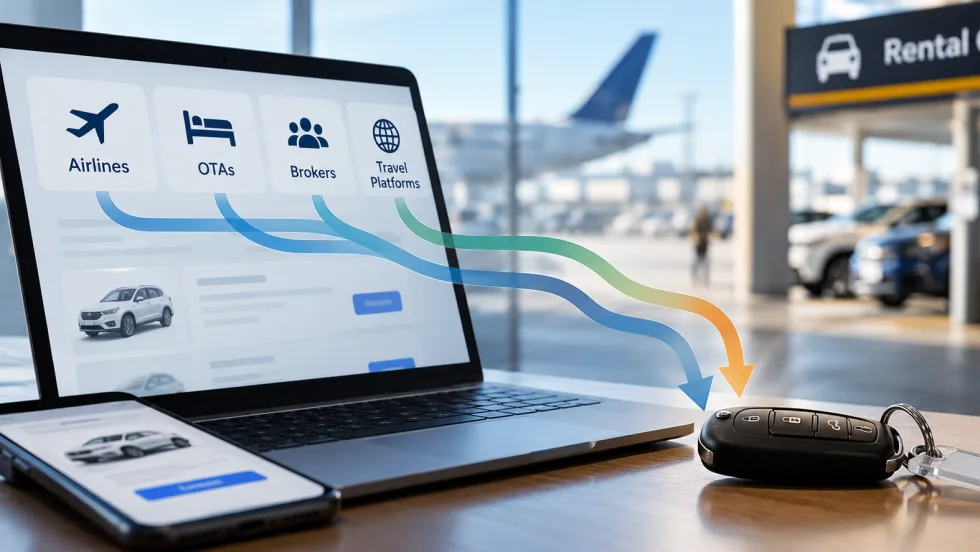
Direct, Broker or Hybrid? How Travel Retailers Source Rental Cars
As travel retailers weigh direct supplier relationships against third-party distribution, rental operators need to understand how those decisions affect their business.
Read More →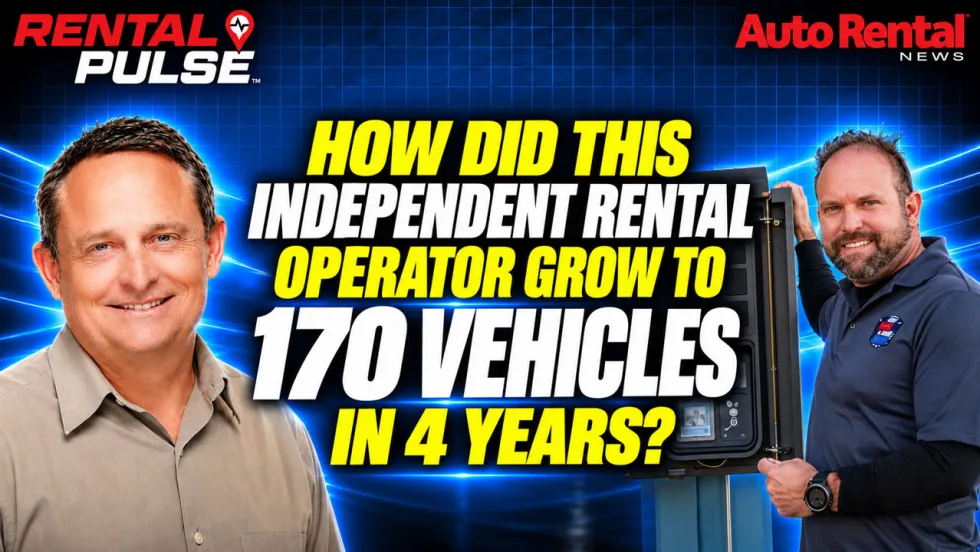
How Did This Independent Rental Operator Grow to 170 Vehicles in 4 Years?
With 170 vehicles across three Kentucky locations, Joel Price relies on an overseas team to handle reservations, payments, and after-hours customer service. It's one part of an unconventional approach to growing an independent rental operation.
Read More →
What Does It Take to Succeed in B2B Rentals?
The fundamentals may be familiar to daily car rental operators, but project-based truck rentals put different demands on the fleet and the business.
Read More →
NPR Builds on International Partnerships to Grow Rental Bookings
With Ana Laborde supporting broker development, NPR Auto Group is tailoring distribution strategies, rate packages, and partnerships to grow international reservations across its three brands.
Read More →
Advantage, Sixt Place Among Top Five in Annual Satisfaction Study
While Enterprise and National retain the top spots in JD Power’s 2026 rankings, the latest customer satisfaction results suggest renters can find competitive service beyond the biggest car rental names.
Read More →
The $100,000 Insurance Trap in Exotic Car Rentals
Exotic rental agencies often rely on customers’ personal auto policies to protect six-figure vehicles. But policy language can dramatically change the coverage for vehicles over $100,000 MSRP.
Read More →
The Booking Is Confirmed, But Is Your Customer Ready to Drive?
For international renters, a confirmed reservation doesn’t always mean they’re eligible to drive. Earlier checks can help operators catch documentation and payment issues before the customer reaches the counter.
Read More →
ICRS 2027 Opens Call for Papers
The International Car Rental Show seeks session proposals on the business, operational, and technology issues facing car rental operators. Submissions are due Jan. 15.
Read More →
Turo to Launch Vehicle Delivery Service
Turo Delivered will let travelers search for vehicles that hosts can deliver directly to hotels, homes, airports, train stations, and other locations.
Read More →