




How to Effectively Answer the Phone
Proper protocol during the initial phone call can mean the difference between a new valued customer or lost business.

Photo via iStockPhoto.com/MichaelJung

Photo via iStockPhoto.com/MichaelJung
Customers’ first one-on-one encounter with your rental car company often happens over the phone — therefore, creating a positive first impression is imperative.
Rental agents need to learn how to use the phone system’s features, how to place a call on hold and how to transfer a call. They shouldn’t be learning these techniques on the customer’s time.
The following are basic guidelines for agents to maintain proper protocol in handling customers’ phone calls.
First Contact
Proper telephone etiquette is to answer the phone by the third ring. Don’t wait and expect someone else to answer the phone. Unanswered calls can result in the loss of potential business.
Before answering the phone, smile. Callers can hear a smile in your voice. When you answer the phone, the greeting should consist of stating your rental car company’s name as well as your name.
Focus on speaking clearly and in a normal tone and volume. Your tone of voice communicates confidence, sincerity and competence to customers. Keep a positive attitude throughout the conversation, with an appropriate level of enthusiasm.
To make the call more personal, use the customer’s name a few times during the call. Try placing the customer’s name at the beginning of questions and at the end with your “thank you” ending statement.
Be sure to listen for the caller’s name after you’ve finished your greeting. If you have a hard time remembering names, it’s a good practice to keep a pen and paper handy to write them down.
How you end a call is just as important as the rest of the call. After thanking the customer for his or her business, add an applicable, positive statement like, “Have a wonderful time on your vacation, Ms. Jones.” If you tie your ending statement to information obtained or shared during the call, it communicates to the customer that you were really listening and paying attention.
Words and Phrases to Avoid
What you say is as important as how you say it. Choose your words carefully. Avoid the jargon, slang and technical terms that customers may not know. For example, you know what LDW, CDW and PAE refer to; however, all of your customers may not. Using unfamiliar terms can cause the call to go longer and negatively impact your telephone sales.
The words we use and the tone in which we use them can change the dynamics of the phone conversation. For example, using words such as “thank you,” “please” and “you’re welcome” emphasize politeness and respect.
Here is an example of a phrase to avoid and more professional alternatives to use instead:
Avoid: “I don’t know.” Alternatives: “Let me find out for you.” “I know who can answer that question for you.” “Good question. Let me find the answer.”
[PAGEBREAK]
Putting Customers on Hold
Before pressing the hold button, ask if the customer is able to hold and explain why you need to put the call on hold. Give an accurate estimate of the hold time. Create a mental picture for the caller, and he or she will be more willing to wait: “I’ll need to pull up your reservation; it will just take a few minutes. Are you able to hold?”
Once you return to the line, use the caller’s name and thank him or her for waiting. If it’s going to be a lengthy hold, offer a callback as an alternative. When a call back is necessary, make sure to verify the call back number, return the call promptly and apologize for the wait.
When transferring a call, provide the customer’s name to the next person — along with the details of why you are transferring the call. The customer should not have to repeat the conversation all over again. Additionally, provide the names and telephone numbers to each party in case something occurs to disconnect the call.
Since the majority of our phone calls are still limited to only voice interaction, wording and tone are even more important when serving customers. Customers don’t know what you meant to say, but they know what they heard you say.
About the Author
Pat Bowie, aka “Pat the Trainer,” is director of training & development for NextCar, Priceless and Rent-A-Wreck of America. Pat will present a seminar at the Auto Rental Summit titled, “Counter Sales Made Easy.”
More Rental Operations

What Does It Take to Succeed in B2B Rentals?
The fundamentals may be familiar to daily car rental operators, but project-based truck rentals put different demands on the fleet and the business.
Read More →
NPR Builds on International Partnerships to Grow Rental Bookings
With Ana Laborde supporting broker development, NPR Auto Group is tailoring distribution strategies, rate packages, and partnerships to grow international reservations across its three brands.
Read More →
Advantage, Sixt Place Among Top Five in Annual Satisfaction Study
While Enterprise and National retain the top spots in JD Power’s 2026 rankings, the latest customer satisfaction results suggest renters can find competitive service beyond the biggest car rental names.
Read More →
The $100,000 Insurance Trap in Exotic Car Rentals
Exotic rental agencies often rely on customers’ personal auto policies to protect six-figure vehicles. But policy language can dramatically change the coverage for vehicles over $100,000 MSRP.
Read More →
The Booking Is Confirmed, But Is Your Customer Ready to Drive?
For international renters, a confirmed reservation doesn’t always mean they’re eligible to drive. Earlier checks can help operators catch documentation and payment issues before the customer reaches the counter.
Read More →
ICRS 2027 Opens Call for Papers
The International Car Rental Show seeks session proposals on the business, operational, and technology issues facing car rental operators. Submissions are due Jan. 15.
Read More →
Turo to Launch Vehicle Delivery Service
Turo Delivered will let travelers search for vehicles that hosts can deliver directly to hotels, homes, airports, train stations, and other locations.
Read More →
Palm Beach Airport Code Change Creates Car Rental Distribution Gap
A test of rental searches under the old PBI and new DJT airport codes returned largely different sets of brands and vehicles, highlighting a potential distribution problem for rental operators.
Read More →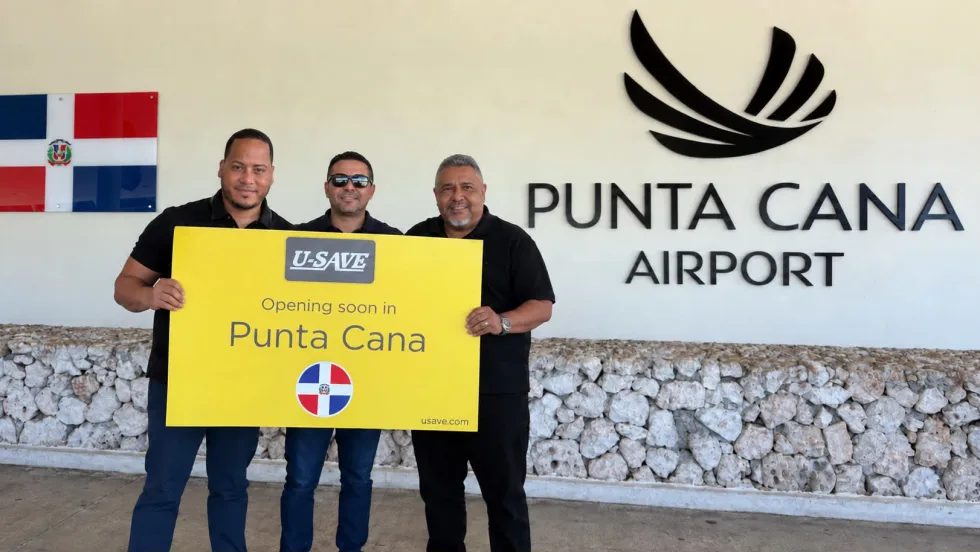
U-Save Continues Dominican Republic Expansion with Launch in Punta Cana
The new franchise location builds on U-Save’s existing Santo Domingo operation and will begin taking reservations for October 2026.
Read More →
When AI Books the Rental Car, Who Controls the Sale?
As AI moves from comparing rental rates to completing transactions, operators need to understand how travelers find, interpret, rank, and ultimately see their offers. (Part 2 of 2.)
Read More →