




E-Z, Advantage Explain Dual-Brand Strategy
The officers of the new combined company expound on integration plans, growth strategy and parent company Catalyst's role.


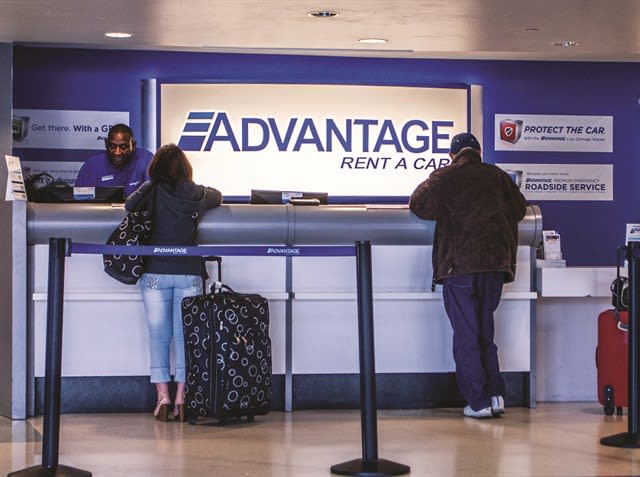
Advantage Rent A Car, owned by The Catalyst Capital Group Inc., announced on Feb. 17 it had entered into an agreement to buy E-Z Rent-A-Car Holding LLC. The combined network will have more than 85 total locations and a presence in 22 of the top 25 U.S. airports. The transaction is set to close on May 1.
In a conference call with Auto Rental News, the company’s officers defined the new company’s integration plans, business model and growth strategy.
Separate Brands
The new company will continue to operate the two brands separately, yet look for opportunities to bring one brand into markets only served by the other at present. While the two brands currently exist together in 10 airports and 11 markets, the company has targeted 28 markets served by one brand to partner the second.
“Catalyst intends to bring E-Z into many of the same markets that Advantage now serves. The company will combine these businesses to leverage market share and backroom operations to fuel growth and profitability,” said Gabriel de Alba, managing director and partner at Catalyst, the Toronto-based private equity firm that won the bid to acquire Advantage out of bankruptcy in December 2013. “With Advantage’s existing footprint, establishing E-Z in those same markets should be easier.”
Both brands focus on the value-oriented customer and that won’t change when the companies combine, said Bill Plamondon, president of Advantage Rent A Car, though the company could explore differentiation down the road.
Mehrdad Memarpouri and Hesam Sahraian, founders and co-owners of E-Z Rent-A-Car, will continue with the new company and play active management roles. “We’re here for the long haul,” Sahraian said. “We’re 100% committed.”
Market Opportunities
“Once the consolidation takes place, we will be looking for new markets to grow both brands,” Memarpouri said.
"We want to be in the ski and the sun destinations and appeal to international travelers in large markets,” said Scott Lieberman, chief administrative officer of Advantage Rent A Car, referencing Advantage’s locations serving New York’s JFK and LaGuardia Airports. On the business side, the company will focus on “small- to mid-size business travelers who are looking for a value alternative.”
Sahraian said E-Z’s growth strategy has always been to target inclusion in-terminal or in a consolidated rental facility (conrac) as opposed to a near-airport location. “We’re going to continue that strategy with the dual-branded model,” Sahraian said. “We are going to take advantage of any opportunity to put us on a level-footing with the major rental companies.”
Growing into smaller market airports is not out of the question, if they fit the company’s brand positioning and provide a geographic density in certain regions, Lieberman said. In terms of international growth, de Alba points to Advantage’s partnership with Europcar, the potential for more inbound traffic from Latin America and exploring partnerships with Asian travel companies.
Providing new cars — the average age of an E-Z fleet vehicle is less than nine months — at a 30% to 40% discount to the major car rental companies will help grow the two brands, Memarpouri said.
Catalyst’s View
“Our place is to be constructive and active,” said de Alba, adding that Catalyst will take a hands-on approach to reviewing processes and optimizing them as needed.
De Alba pointed out that Catalyst is not a hedge fund but an “operations-oriented” private equity firm that commits capital for up to 12 years, which is even longer than the usual three- to seven-year growth-to-exit pattern for typical private equity firms.
“We have the time and patience to bring these companies through the early stages of growth but also to position them for the long term,” de Alba said. “We are in no rush to sell or trade out. We are in growth mode at this point.”
Catalyst would like to grow the combined company to a 5% to 10% market share in its present markets, de Alba said. While organic growth is the immediate goal, growing through domestic acquisitions is also on the table. An IPO for the new company isn’t out of the question in the future, he added.
Though de Alba acknowledges that the U.S. is a mature market when it comes to car rental, the new company counts its relative size as a strength, attracting partners looking for “a more nimble company that isn’t tied to legacy systems and old mainframe technology,” according to de Alba.
“We’re combining the fourth and fifth largest rental car companies in the U.S.,” de Alba said. “Other than the majors, no company has our footprint.”
More Rental Operations

What Does It Take to Succeed in B2B Rentals?
The fundamentals may be familiar to daily car rental operators, but project-based truck rentals put different demands on the fleet and the business.
Read More →
NPR Builds on International Partnerships to Grow Rental Bookings
With Ana Laborde supporting broker development, NPR Auto Group is tailoring distribution strategies, rate packages, and partnerships to grow international reservations across its three brands.
Read More →
Advantage, Sixt Place Among Top Five in Annual Satisfaction Study
While Enterprise and National retain the top spots in JD Power’s 2026 rankings, the latest customer satisfaction results suggest renters can find competitive service beyond the biggest car rental names.
Read More →
The $100,000 Insurance Trap in Exotic Car Rentals
Exotic rental agencies often rely on customers’ personal auto policies to protect six-figure vehicles. But policy language can dramatically change the coverage for vehicles over $100,000 MSRP.
Read More →
The Booking Is Confirmed, But Is Your Customer Ready to Drive?
For international renters, a confirmed reservation doesn’t always mean they’re eligible to drive. Earlier checks can help operators catch documentation and payment issues before the customer reaches the counter.
Read More →
ICRS 2027 Opens Call for Papers
The International Car Rental Show seeks session proposals on the business, operational, and technology issues facing car rental operators. Submissions are due Jan. 15.
Read More →
Turo to Launch Vehicle Delivery Service
Turo Delivered will let travelers search for vehicles that hosts can deliver directly to hotels, homes, airports, train stations, and other locations.
Read More →
Palm Beach Airport Code Change Creates Car Rental Distribution Gap
A test of rental searches under the old PBI and new DJT airport codes returned largely different sets of brands and vehicles, highlighting a potential distribution problem for rental operators.
Read More →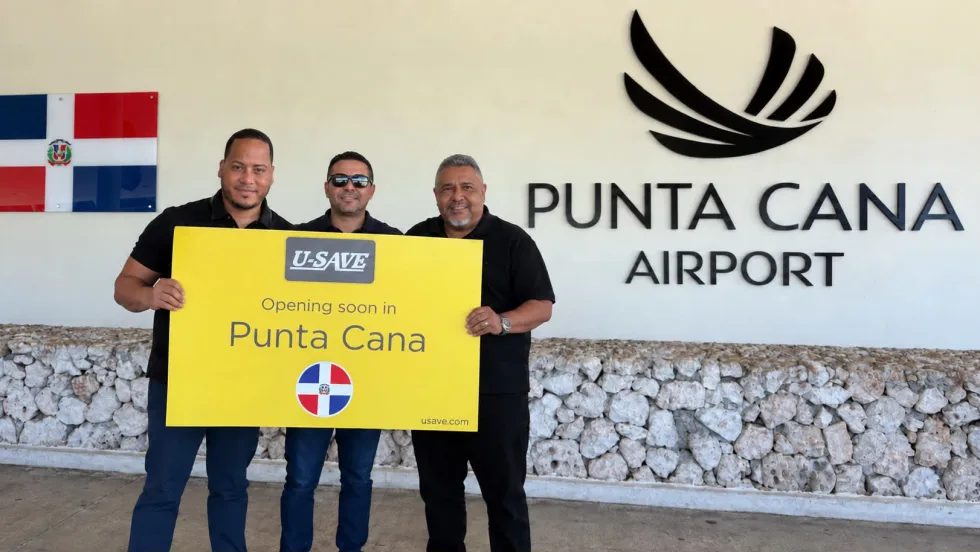
U-Save Continues Dominican Republic Expansion with Launch in Punta Cana
The new franchise location builds on U-Save’s existing Santo Domingo operation and will begin taking reservations for October 2026.
Read More →
When AI Books the Rental Car, Who Controls the Sale?
As AI moves from comparing rental rates to completing transactions, operators need to understand how travelers find, interpret, rank, and ultimately see their offers. (Part 2 of 2.)
Read More →