




8 Tips in Recovering Loss of Use and Administrative Fees
David Purinton, owner and president of PurCo, shares best practices on how car rental operators can effectively recover loss of use and administrative fees.
PurCo V. Koenig: A Win for the Industry
In a historic ruling for the car rental industry, the Colorado Supreme Court has ruled that "PurCo is entitled to recover loss-of-use damages irrespective of actual lost profits." (See the original story here, outlining the case and implications for the car rental industry.)
So what are the top ways to recover loss of use and adminstrative fees?
1. Always follow your state laws and be sure your rental agreement reflects those laws exactly.
2. Understand the difference between recovery from a renter (your customer) and anyone else who might have damaged your car.
When recovering from your customer, you must follow your rental agreement. Trying to recover items not spelled out in the rental agreement gets many car rental companies in trouble, from the majors down to independent operators.
When recovering from a third party (anyone who is not your customer) the terms of the rental agreement don’t necessarily apply to them. Be sure you understand any limits placed on that recovery effort by local or state laws.
3. Use the Koenig case to bring legitimacy to your request for loss-of-use and administrative fees.
It is the only case in the history of the United States specifically dealing with loss-of-use and administrative fees involving a vehicle rental company. Even if you are not in Colorado, this case can assist you.
4. When your claim is denied — ask for the reason in writing.
When an insurance company tells you “we may owe loss of use in Colorado, but not here in Kentucky,” reply to them that you have supported your claim citing authoritative case law, and ask them to do the same in issuing your denial. You have the right to know how the company supports its position in denying your administrative fee or its demand for 100% utilization.
We are not aware of any case law that can support an insurance company’s “show me all your cars were on rent” demand.
5. Understand the rules that insurance companies in your state must follow.
Research your states’ good faith negotiation laws. If you feel an insurance company is trying to rip you off, do not hesitate to file an insurance department complaint against them.
6. Understand your responsibility and duty to mitigate your damages — and then actually do it!
If you can get your car into the body shop today to keep loss of use to a minimum then do so.
7. Document what you are charging and why.
In both the loss-of-use and administrative fee areas of the Koenig case, we were given the right to recover. We now need to prove the amounts we were trying to recover were reasonable. We should prevail on the reasonableness requirement because we have completely documented the file. (In addition, the other side has pled that the amount should be zero — a pretty easy threshold to beat.)
This may sound like a no brainer, but because of the volume of claims a car rental operator has, sometimes you may get into a routine of just preparing the bill and sending it out. But audit everything. Double check everything. This is not necessarily a problem for a recovery on a simple $500 dent, but it is still important. Why did you charge 7.5 days loss of use? Why did you charge the $100 administrative fee? How did you calculate the diminution of value? You can’t wing it; you have to have your ducks in a row.
8. Understand that loss of use and administrative fees are not profit centers.
To believe that they are profit centers, or to function in a way that makes the rest of the world believe they are, is fighting against all that the Koenig case can give us.
More Rental Operations

What Does It Take to Succeed in B2B Rentals?
The fundamentals may be familiar to daily car rental operators, but project-based truck rentals put different demands on the fleet and the business.
Read More →
NPR Builds on International Partnerships to Grow Rental Bookings
With Ana Laborde supporting broker development, NPR Auto Group is tailoring distribution strategies, rate packages, and partnerships to grow international reservations across its three brands.
Read More →
Advantage, Sixt Place Among Top Five in Annual Satisfaction Study
While Enterprise and National retain the top spots in JD Power’s 2026 rankings, the latest customer satisfaction results suggest renters can find competitive service beyond the biggest car rental names.
Read More →
The $100,000 Insurance Trap in Exotic Car Rentals
Exotic rental agencies often rely on customers’ personal auto policies to protect six-figure vehicles. But policy language can dramatically change the coverage for vehicles over $100,000 MSRP.
Read More →
The Booking Is Confirmed, But Is Your Customer Ready to Drive?
For international renters, a confirmed reservation doesn’t always mean they’re eligible to drive. Earlier checks can help operators catch documentation and payment issues before the customer reaches the counter.
Read More →
ICRS 2027 Opens Call for Papers
The International Car Rental Show seeks session proposals on the business, operational, and technology issues facing car rental operators. Submissions are due Jan. 15.
Read More →
Turo to Launch Vehicle Delivery Service
Turo Delivered will let travelers search for vehicles that hosts can deliver directly to hotels, homes, airports, train stations, and other locations.
Read More →
Palm Beach Airport Code Change Creates Car Rental Distribution Gap
A test of rental searches under the old PBI and new DJT airport codes returned largely different sets of brands and vehicles, highlighting a potential distribution problem for rental operators.
Read More →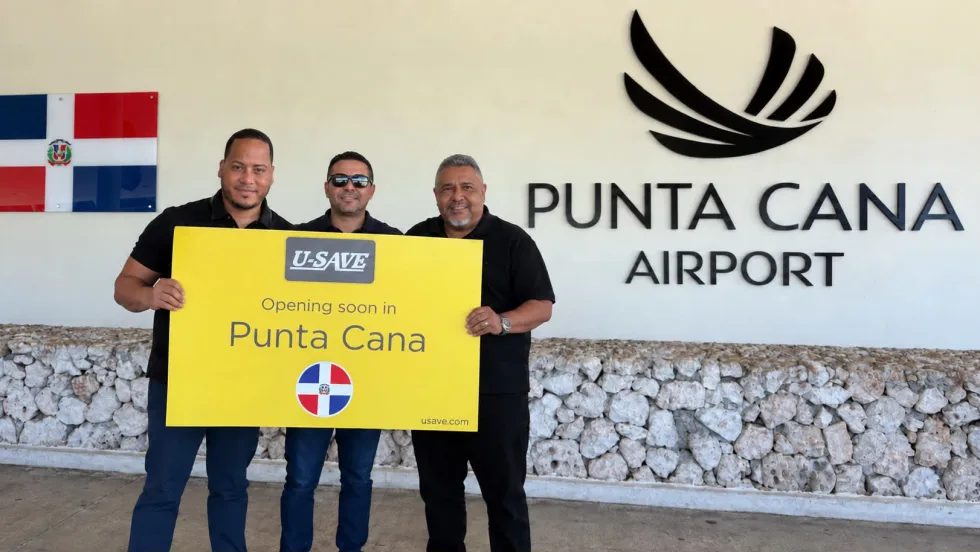
U-Save Continues Dominican Republic Expansion with Launch in Punta Cana
The new franchise location builds on U-Save’s existing Santo Domingo operation and will begin taking reservations for October 2026.
Read More →
When AI Books the Rental Car, Who Controls the Sale?
As AI moves from comparing rental rates to completing transactions, operators need to understand how travelers find, interpret, rank, and ultimately see their offers. (Part 2 of 2.)
Read More →