



A New Approach to the Hiring Process
Behavioral and situational interviewing techniques reveal how potential employees would handle future work situations. Interpreting the answers will give you a better gauge of a candidate’s true worth in your company.


What don't we have enough of? Time and money are two things that come to mind. In business, when we don't hire the right people for the job, we've wasted both.
Think of how much time and money it actually costs to employ someone. Besides obvious expenses such as salaries, federal and state taxes, benefits, uniforms and training, there are soft or unexpected costs incurred, such as loss of productivity or sales, advertising and recruiting for replacements and the possibility of paying unemployment benefits.
All told, the employment process can cost from 40 percent to 1.4 times an employee's base salary. A car rental agent with an entry salary of $22,000 per year could cost $33,000 to employ - at the low end.
Now consider the cost of having to replace an employee, as much as 150 to 250 percent of the employee's annual compensation. A seasoned car rental agent with a $44,000 annual salary would cost at least $66,000 to replace when it's all said and done.
Traditional Versus Behavioral Interviewing
You can save time and money in hiring - and gain a better candidate - by approaching the interview process differently.
Studies show that the typical traditional interview is a predictor of future performance only about 10 percent of the time. Traditional interviewing relies on standard and straightforward questions that are easily answered by candidates. They effectively tell interviewers what they want to hear, but not what they need to hear.
If an interviewer can glean information about past experiences or hypothetical situations, it becomes a better gauge of the candidate's true worth. Behavioral or situational interviewing has a success rate of 55 percent.
A study by the Society for Human Resource Management (SHRM) defines behavioral-based interviewing as "a thorough, planned, systematic way to gather and evaluate information about what candidates have done in the past to show how they would handle future situations."
Here are some examples of behavioral interview questions:
Give me an example of a time when you had to deal with a difficult coworker. How did you handle the situation?
Describe a time when you performed a task outside your perceived responsibilities. What was the task? Why did you perceive it to be outside your responsibilities? What was the outcome?
Tell me about a time during your previous employment when you suggested a better way to perform a process.
Describe a situation in which your stress level was high in dealing with a customer.
Asking these types of questions will allow you to interpret how a candidate has reacted to real-world situations in the past. However, some planning and preparation are needed for this type of interviewing to work any better than the traditional methods.[PAGEBREAK]
Document Effective Behaviors
You must place a value on certain behaviors within your company. In the car rental industry, as in most industries, companies are looking for employees who have strong communication skills. Additional skills you should be looking for include: customer service, sales, initiative, integrity, listening, phone skills and problem solving.
Before you interview candidates, understand the job you need to fill. Perform a job analysis to gather and analyze the data, and then document the data. Employee surveys and observations are ways to gather your data. Analyzing the data will require you to rate the effectiveness of the employees that you have observed or surveyed. Document what you consider to be the most effective behaviors and create a standard that you will use to evaluate the answers your candidates give you in the interview.
In addition to the skills listed earlier, you may further discover what skills a successful employee has. For example, you may not have realized that handling stressful situations calmly was an aspect of customer service skills. It's a good idea to re-evaluate the position on a regular basis.
To understand those skill sets, look to your most successful employees. What are the traits they possess, and does a candidate's handling of a past situation match what you are looking for in an employee? Did the situation the candidate described, the actions they took and the outcome of the situation relay their proficiency in the skills you require?
Be sure to use a standardized evaluation form to chart how each candidate handles the situations. When notating a candidate's response, determine if he was able to specifically describe the situation and the task. What was the action he took? What was the outcome? Rate his answers (1 - 5) compared to the skills needed.
Situational Interviewing - Resolving the Task at Hand
Situational interviewing is similar to behavioral interviewing; however, situational interviewing relies on the interviewer creating a specific scenario in which the candidate must imagine performing the task and resolving the situation.
The benefit here is that the candidates all have to respond to the same hypothetical situation. It relies less on how they have done things in the past and more on the situation at hand. Situational interviews also don't require the candidate to have specific experience as it pertains to the scenario.
When creating the hypothetical situation, base it on a key task they might perform as your employee. Select the task from the data gathered during the job analysis. It is easier to assess the best fit by creating a standard hypothetical situation that all the candidates have to maneuver through.
Some hypothetical situations include:
Rent Me a Car: Have candidates rent you a car. How would they handle a customer that seems to be pressed for time? Did they offer additional products? Did they listen to the customer's need and suggest an upgraded vehicle? They may not know the systems or your policies, but you can evaluate their sales acumen or their customer service skill. Did they communicate well in their answer? How well did they handle the problem? Did they take initiative when handling the scenario?
Working as a Team: Describe a situation at the counter in which the candidate has a disagreement with a coworker. Customers are present. Did they handle the situation professionally and with integrity? Did the customer suffer because of the disagreement?
Based on what you determined when doing your job analysis, you now have an idea of the behaviors and skills that should be demonstrated during the candidate's response. Record your ratings on the standardized evaluation form using the suggested 1-5 scale.
When the interviewing has been completed you can go back and objectively determine who will be the best fit.
About the Author:
Tom Sabol is a human resource professional for Leslie Saunders with more than 10 years of experience in recruiting, training and development. Sabol is a certified Professional in Human Resources (PHR) and member of the Society for Human Resource Management.
More Rental Operations

Clean on Paper: Red Flags in Exotic Car Rental Verification
A suspicious $45,000 Lamborghini booking reveals the strengths and limitations of renter verification, from forged insurance documents to coverage gaps and unauthorized drivers. (Part 2 of 3)
Read More →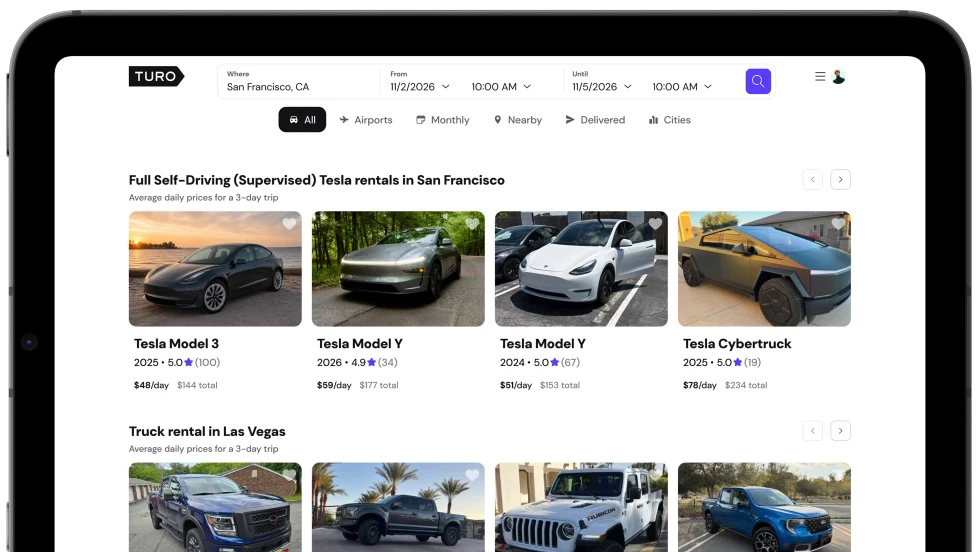
Turo and Tesla Take the Next Step Toward Autonomous Car Rentals
The partnership brings Tesla's Full Self-Driving (Supervised) technology into the rental experience, offering a glimpse of how increasingly automated vehicles could change car rental.
Read More →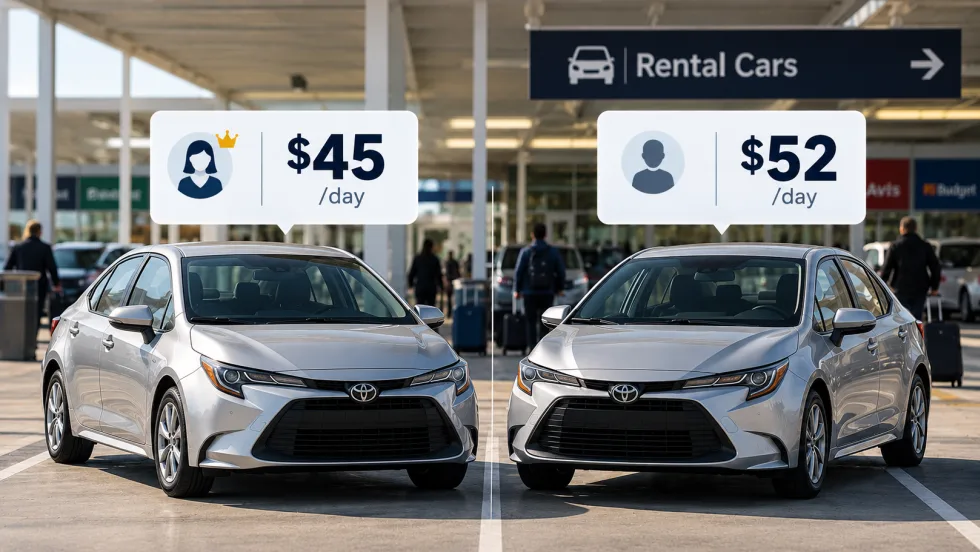
How Rental Operators Can Navigate Personalized Pricing Rules
As regulators scrutinize the use of customer data in pricing, rental operators need to know whether they can explain why one renter pays more than another.
Read More →
Direct, Broker or Hybrid? How Travel Retailers Source Rental Cars
As travel retailers weigh direct supplier relationships against third-party distribution, rental operators need to understand how those decisions affect their business.
Read More →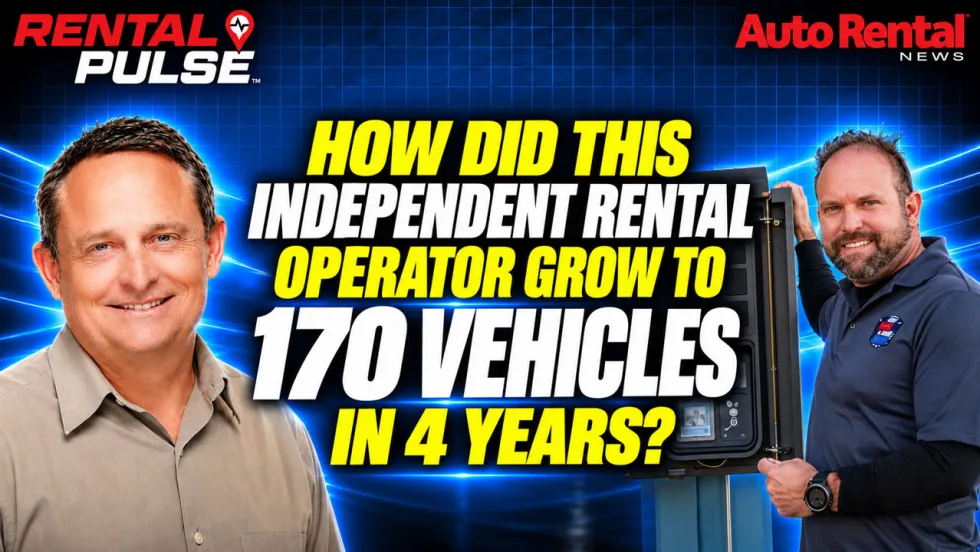
How Did This Independent Rental Operator Grow to 170 Vehicles in 4 Years?
With 170 vehicles across three Kentucky locations, Joel Price relies on an overseas team to handle reservations, payments, and after-hours customer service. It's one part of an unconventional approach to growing an independent rental operation.
Read More →
What Does It Take to Succeed in B2B Rentals?
The fundamentals may be familiar to daily car rental operators, but project-based truck rentals put different demands on the fleet and the business.
Read More →
NPR Builds on International Partnerships to Grow Rental Bookings
With Ana Laborde supporting broker development, NPR Auto Group is tailoring distribution strategies, rate packages, and partnerships to grow international reservations across its three brands.
Read More →
Advantage, Sixt Place Among Top Five in Annual Satisfaction Study
While Enterprise and National retain the top spots in JD Power’s 2026 rankings, the latest customer satisfaction results suggest renters can find competitive service beyond the biggest car rental names.
Read More →
The $100,000 Insurance Trap in Exotic Car Rentals
Exotic rental agencies often rely on customers’ personal auto policies to protect six-figure vehicles. But policy language can dramatically change the coverage for vehicles over $100,000 MSRP.
Read More →
The Booking Is Confirmed, But Is Your Customer Ready to Drive?
For international renters, a confirmed reservation doesn’t always mean they’re eligible to drive. Earlier checks can help operators catch documentation and payment issues before the customer reaches the counter.
Read More →