




A Q&A With DTG President and CEO Gary Paxton
Gary Paxton has served as president and CEO of Dollar Thrifty Automotive Group since October 2003. ARN recently interviewed him about the industry's progress in the airport market.
Does summer rental volume at the airports suggest the post-9/11 slump is finally over?
Based on numbers we have for January to May 2001, versus January to May 2004, at the top 100 airports the industry is up about 1.5%. So it's safe to say we've come back from where we were just prior to 9/11. Dollar and Thrifty are up in revenue for that time period by 32%. So we've recovered nicely.
According to Air Transport Association data, deplanements for that same time period were down 2.3%. Enplanements -— the number of people getting on airplanes regardless of where they're traveling, domestically or internationally -— were off 8.8%
So either way you cut it, passenger traffic hasn't caught up yet. But car rental revenues have recovered. Now, part of that is because of price increases, I think. I don't have the numbers on that, but pricing plays a role.
How do fleet sizes today compare to those of 2000?
Keep in mind we’ve changed our operating model for Thrifty, from a franchise operating model to a corporate-store operating model, so a lot of the comparisons from '01 to '04 just aren't applicable. But June year-to-date, the Dollar brand's fleet is up less than 1%. So it's returned to pre-9/11 levels.
Which regions of the country have rebounded the quickest?
No question, Hawaii. Hawaii felt the impact of 9/11 the least and has recovered the quickest. Then, the West is next and Florida. The East has had the slowest recovery. As you geographically move away from the Twin Towers, the impact was less and the recovery was quicker.
What about rental volume from international travelers?
We're seeing our international volume tracking with the domestic total. It's up slightly, as is the total industry's. But it's just up in the 1% to 2% range. It has come full circle to where it's back again. What I would conclude from the data is that the car rental industry lost three years. It had a three-year setback and is now back approximately to where it was in the summer of '01.
Has the growth of the low-fare carriers contributed to the recovery of the value-priced car rental brands?
When you look at the ATA data, the low-fare carriers are growing -— in market share and the number of passengers they carry. I think that same trend is appearing in the car rental industry. Companies that are considered value companies, whether they are in the airline, hotel or car rental business, are growing at a better rate than the luxury or legacy brands.
Hasn't the Internet also contributed to this trend?
Travel is the number-one product or service sold on the Internet in terms of volume. And it's the easiest to compare pricing to make a more informed decision. At the same time, I think the service quality of the travel industry brands has moved closer together to a comparable level.
Is there anything the federal government should do to further revive the travel industry? Do you have a wish list for the travel industry?
I have a wish list for the car rental industry. I wish they'd pass some vicarious liability legislation at the federal level. That would eliminate some of the unfair burden that our interstate consumers bear in the very few states where they still enforce vicarious liability laws. That's my number-one wish. The other wish I have is that the politicians would find somebody else to pay for their football stadiums.
More Rental Operations

Clean on Paper: Red Flags in Exotic Car Rental Verification
A suspicious $45,000 Lamborghini booking reveals the strengths and limitations of renter verification, from forged insurance documents to coverage gaps and unauthorized drivers. (Part 2 of 3)
Read More →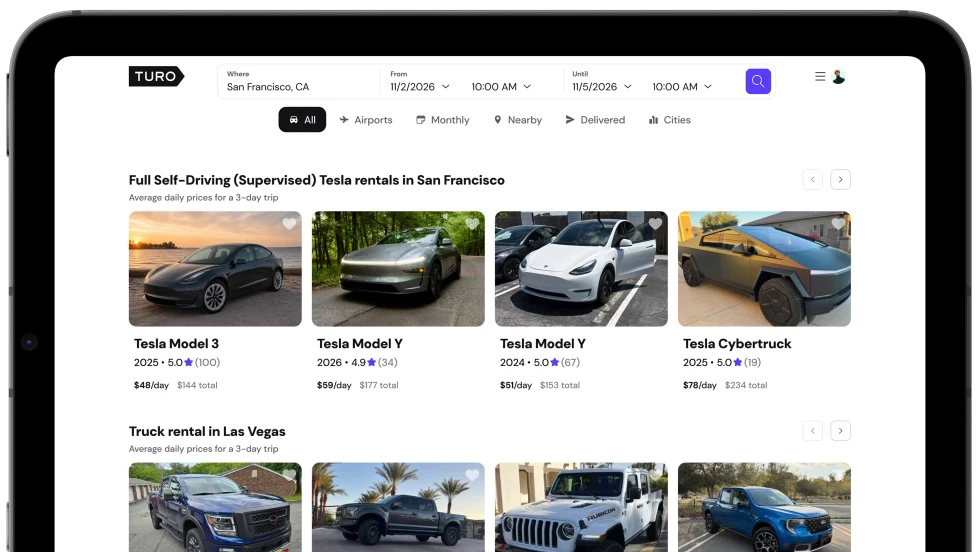
Turo and Tesla Take the Next Step Toward Autonomous Car Rentals
The partnership brings Tesla's Full Self-Driving (Supervised) technology into the rental experience, offering a glimpse of how increasingly automated vehicles could change car rental.
Read More →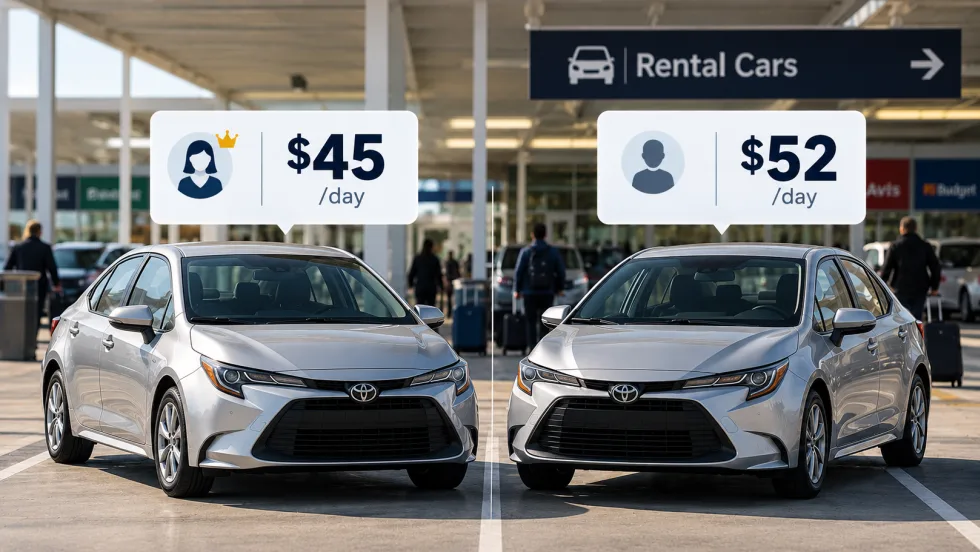
How Rental Operators Can Navigate Personalized Pricing Rules
As regulators scrutinize the use of customer data in pricing, rental operators need to know whether they can explain why one renter pays more than another.
Read More →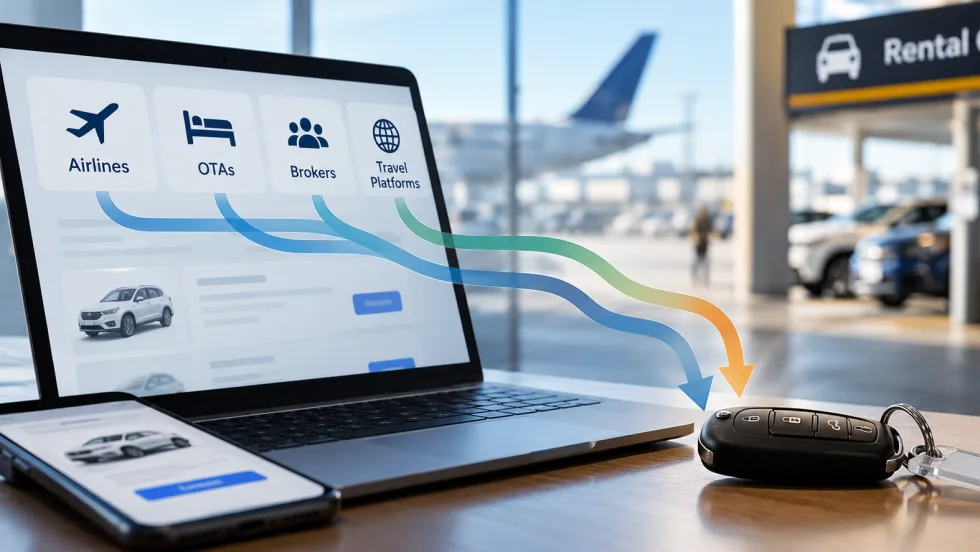
Direct, Broker or Hybrid? How Travel Retailers Source Rental Cars
As travel retailers weigh direct supplier relationships against third-party distribution, rental operators need to understand how those decisions affect their business.
Read More →
How Did This Independent Rental Operator Grow to 170 Vehicles in 4 Years?
With 170 vehicles across three Kentucky locations, Joel Price relies on an overseas team to handle reservations, payments, and after-hours customer service. It's one part of an unconventional approach to growing an independent rental operation.
Read More →
What Does It Take to Succeed in B2B Rentals?
The fundamentals may be familiar to daily car rental operators, but project-based truck rentals put different demands on the fleet and the business.
Read More →
NPR Builds on International Partnerships to Grow Rental Bookings
With Ana Laborde supporting broker development, NPR Auto Group is tailoring distribution strategies, rate packages, and partnerships to grow international reservations across its three brands.
Read More →
Advantage, Sixt Place Among Top Five in Annual Satisfaction Study
While Enterprise and National retain the top spots in JD Power’s 2026 rankings, the latest customer satisfaction results suggest renters can find competitive service beyond the biggest car rental names.
Read More →
The $100,000 Insurance Trap in Exotic Car Rentals
Exotic rental agencies often rely on customers’ personal auto policies to protect six-figure vehicles. But policy language can dramatically change the coverage for vehicles over $100,000 MSRP.
Read More →
The Booking Is Confirmed, But Is Your Customer Ready to Drive?
For international renters, a confirmed reservation doesn’t always mean they’re eligible to drive. Earlier checks can help operators catch documentation and payment issues before the customer reaches the counter.
Read More →