




Creating a Culture of Employee Training
Lack of adequate training is a leading cause of employee turnover. By committing to a formal new-hire training program, you can lower turnover and raise customer satisfaction and sales.
When looking for areas to cut costs, company managers sometimes overlook the steep price tag that high employee turnover carries. But according to a recent study, a new hire typically needs 12 to 13 1/2 months on the job to become 100% proficient. When a veteran employee leaves and is replaced by someone new, your rental operation loses productivity for months to come. A location with heavy turnover never catches up.
Studies indicate the average employee turnover-to-cost ratio is 1.52 times salary. That means if you pay your counter agents $18,000 a year, your company loses more than $27,000 every time one leaves and is replaced. Many of these costs are hidden, resulting from declines in incremental sales and customer loyalty.
Since one of the leading drivers of employee turnover is insufficient training, you can have a major impact on your operation’s bottom line by improving your training program.
When your business is short-handed, it’s tempting to treat new-hire training as an afterthought and relegate those duties to an employee who doesn’t seem as busy as the others. Another approach is to place new hires in a break room and have them read an employee manual before bringing them out to the counter to observe.
In this environment, training has a high probability of failure. However, an organization with a training culture has a set, allocated trainer and a training plan in written form.
An organization with a training culture treats training as a necessity, not a luxury. The operation schedules training on an ongoing basis and has total support of the management team. [PAGEBREAK]
This kind of culture provides big payoffs: decreased turnover, greater productivity and employee knowledge, and improved customer loyalty and relations.
According to Developmental Dimensions International, managers should allocate about three months of training for each new hire. You can split this training into different segments.
You can develop a training plan for a variety of staff members, including counter agents, car detailers, bus drivers, DBR clerks, phone sales representatives, greeters and managers at all levels.
At Cendant Car Rental Group, we initially train new contact center sales reps for three weeks in the classroom. Then, they move to a coaching environment for 90 days before they’re placed on the phone. The entire training process takes four months.
Who Impacts Training?
The person who has the greatest impact on new-hire training is the manager. The manager must make new-hire training a leading company priority before the training begins. Otherwise, the staff will follow the manager’s lead and fail to give training the attention it warrants.
As a manager, you need to set the stage. You need to have a formal training plan and schedule. You also need to have an environment that’s conducive to training.
That means you can’t try to squeeze in training between serving customers at the counter. It means you can’t expect the new-hire to have 100% retention after the initial training session and a tour around the facility.
A common mistake among managers is to place the burden on new hires and to blame them when they don’t have the skills to perform well on the job. But when a new employee falls short of expectations, more often than not the fault lies with the manager and trainer. They are the ones who really drive the success of a training program.
When skills taught don’t transfer to the job, lack of managerial reinforcement and coaching are responsible 90% of the time, according to noted business trainer Ken Blanchard. [PAGEBREAK]
Getting Started With a Plan
When you start to build your training plan, consider what job duties you value the most. Make a list of the most fundamental skills. Collaborate with your trainer and ask for suggestions from your seasoned employees.
Decide what you want to accomplish with the training program, and how much time you will need to allocate for that to happen. Is becoming proficient in incremental sales a priority? Or should that be a skill addressed later on in a coaching environment?
Do you want the initial training to take place in a classroom setting? Or would you prefer one-on-one training that’s more hands-on? Do you want to hire an outside trainer or appoint a staff member?
These are all questions you’ll have to answer when you map out your training program. After developing an outline of your plan, seek input from others, including the trainer.
When developing a plan, it’s important not to bite off too much at once. You can’t teach sales reps everything they’ll need to know in two or three weeks. That’s why it’s crucial to decide what skills they need to know to perform the job effectively, and what skills you would like them to master later.
Initially, stay focused on the most basic skills. Don’t overwhelm the new hire. You can address additional skills and training later in follow-up training and coaching. Refresher courses are also helpful. [PAGEBREAK]
Selecting a Trainer, Planning Follow-up
When allocating a trainer, select someone who is a proven leader, especially if you’ve opted to use someone internally. The trainer should be an effective coach and work well with little or no supervision.
Look for someone with industry knowledge and market expertise. The most effective trainers are skilled communicators who can use real-life examples to illustrate concepts being taught. Someone with an approachable personality will help foster an interactive learning experience and boost retention.
Make sure the trainer has enough time to prepare and instruct. Remember, when the trainer is at the counter with a new hire, this is still training time. Don’t disrupt the process with demands on the trainer’s time or attention.
Your training plan should also include a form of cross-training. New employees need to have a general understanding of the functions of other departments within your operation. For example, what does the shuttle bus driver do?
Cross-training allows the employee to see the big picture. It promotes teamwork and communication among different departments. Cross-training also helps prevent conflicts between departments.
When considering potential topics for refresher training courses, take note of what your employees have struggled with in the past. Is it customer service? Is it product knowledge? [PAGEBREAK]
Coaching is a key factor in ensuring that employees continue to learn new skills and apply those skills on the job. Coaching responsibilities might fall on the manager, trainer or even a mentor who’s a longtime employee. But it’s crucial to make certain that coaches understand their roles and responsibilities.
Ideally, a coach will not only teach new skills but rejuvenate old ones. Coaches provide direction, reinforce behavior, help solve problems and assist employees in achieving their goals.
The bottom line is that you need to build a training culture within your organization. Owners and managers need to walk the talk when it comes to training. This will reduce turnover and enhance performance, both of which provide cost savings.
Sample Five-Day Training Plan for Counter Agents
Day One: Orientation
• Overview of the location, management introduction
• Fill out additional paperwork
• History of the company and location
• Agent roles and responsibilities
• Benefit information
• Uniform standards/dress code
• Tour location
• Overview of the competition
• Outline new-hire process
• Distribute training materials
Day Two: Know the Business
• Rental qualification
• Rental procedures
• Rates
• Explanation of rental contract, charges
• Corporate account information
• Government/special programs
• Product knowledge
• Fleet information
• View each car class
• Drive each car-class vehicle
• Up-selling
Day Three: Let’s Get Technical
• Counter system training
• Log-in ID’s and information
• Status codes
• Car-class codes
• Screen codes and what each screen is for
• Renting a car
• Checking in a car
• Car exchanges
• Booking a reservation
• Modifying a contract
• Running reports
[PAGEBREAK]
Day Four: Application of Knowledge
• Role play for renting a car – counter system
• Role play for checking in a car – counter system
• Role play for rental extensions – counter system
• Book a reservation on phone – enter in computer
• Role play for car exchange – counter system
Day Five: Just Do It
• Counter sales
• Spend time observing at the counter
• Assign mentor to observe new-hire
• Rent and check in cars
• Assist with sales dialogue
• Questions and answers
After Training: Follow-up
• One-way rentals
• Extending a rental • Special charges – child seats, additional driver, etc.
• Changing a reservation
• Roadside assistance
• Parking (if required)
• Express rental program
The manager has the biggest impact on success of training though use of:
1. ENVIRONMENT - Atmosphere must be conducive to learning
2.TIME - Trainer must have enough time to train properly
3.PROMOTION - The importance of training is promoted to all employees
4.COACHING - This reinforces skills learned in class and new skills learned on the job
5.RESOURCES - Employees must have the proper resources to do the job
Kurt Webber is director of learning, development and performance for Cendant Corp. He is based in Tulsa, Okla. He can be reached at (918) 624-4235 or kurt.webber@cendant.com.
More Rental Operations

Clean on Paper: Red Flags in Exotic Car Rental Verification
A suspicious $45,000 Lamborghini booking reveals the strengths and limitations of renter verification, from forged insurance documents to coverage gaps and unauthorized drivers. (Part 2 of 3)
Read More →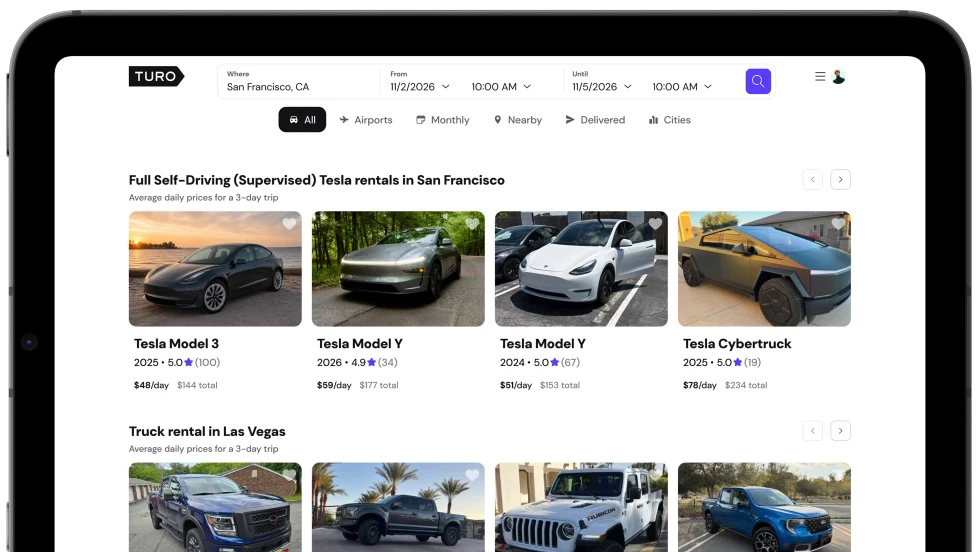
Turo and Tesla Take the Next Step Toward Autonomous Car Rentals
The partnership brings Tesla's Full Self-Driving (Supervised) technology into the rental experience, offering a glimpse of how increasingly automated vehicles could change car rental.
Read More →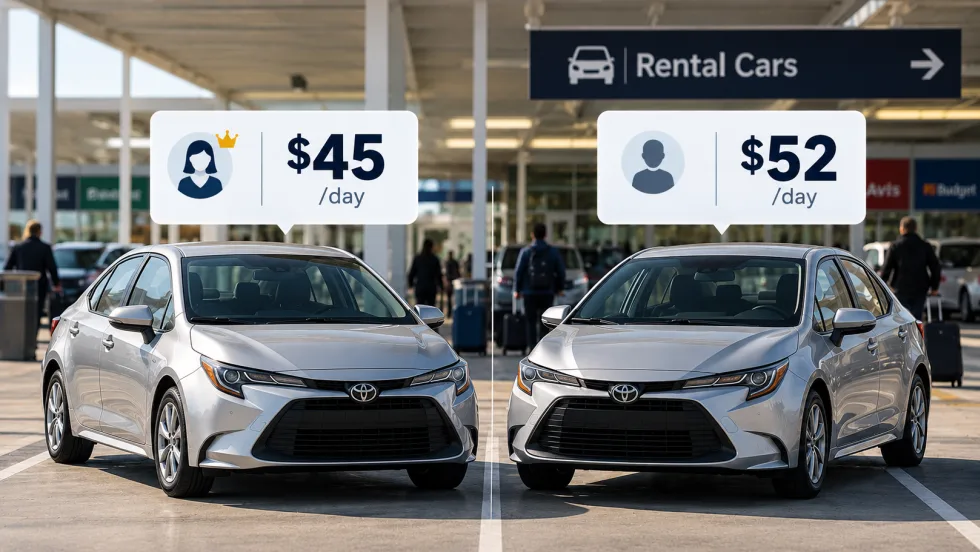
How Rental Operators Can Navigate Personalized Pricing Rules
As regulators scrutinize the use of customer data in pricing, rental operators need to know whether they can explain why one renter pays more than another.
Read More →
Direct, Broker or Hybrid? How Travel Retailers Source Rental Cars
As travel retailers weigh direct supplier relationships against third-party distribution, rental operators need to understand how those decisions affect their business.
Read More →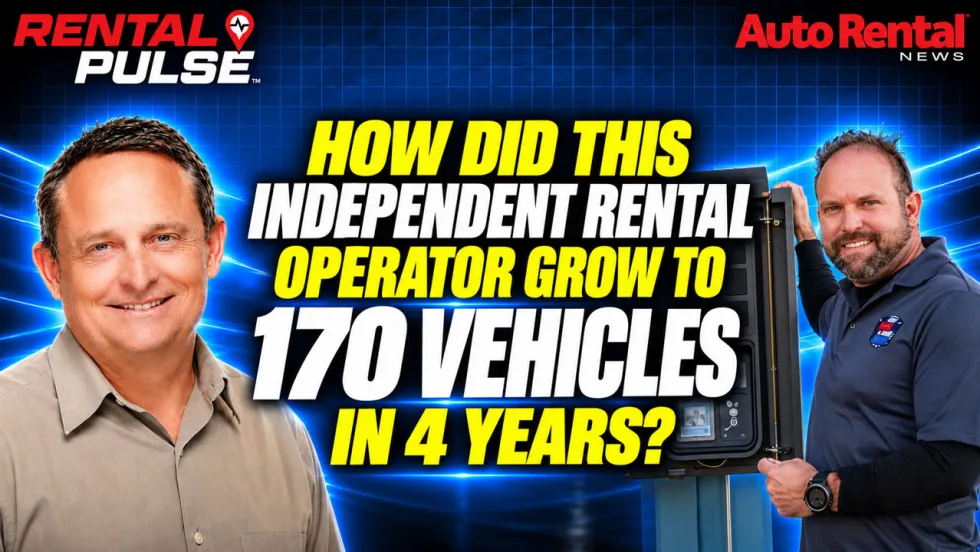
How Did This Independent Rental Operator Grow to 170 Vehicles in 4 Years?
With 170 vehicles across three Kentucky locations, Joel Price relies on an overseas team to handle reservations, payments, and after-hours customer service. It's one part of an unconventional approach to growing an independent rental operation.
Read More →
What Does It Take to Succeed in B2B Rentals?
The fundamentals may be familiar to daily car rental operators, but project-based truck rentals put different demands on the fleet and the business.
Read More →
NPR Builds on International Partnerships to Grow Rental Bookings
With Ana Laborde supporting broker development, NPR Auto Group is tailoring distribution strategies, rate packages, and partnerships to grow international reservations across its three brands.
Read More →
Advantage, Sixt Place Among Top Five in Annual Satisfaction Study
While Enterprise and National retain the top spots in JD Power’s 2026 rankings, the latest customer satisfaction results suggest renters can find competitive service beyond the biggest car rental names.
Read More →
The $100,000 Insurance Trap in Exotic Car Rentals
Exotic rental agencies often rely on customers’ personal auto policies to protect six-figure vehicles. But policy language can dramatically change the coverage for vehicles over $100,000 MSRP.
Read More →
The Booking Is Confirmed, But Is Your Customer Ready to Drive?
For international renters, a confirmed reservation doesn’t always mean they’re eligible to drive. Earlier checks can help operators catch documentation and payment issues before the customer reaches the counter.
Read More →