




Related: 4 Ways Rental Fleets Are Elevating Used Vehicle Residual Values
Dealership Rentals: 12 Factors for Success
Auto dealers looking to build a rental operation in house need to adopt these best practices and avoid these minefields.
by Lori Tennant
September 2, 2020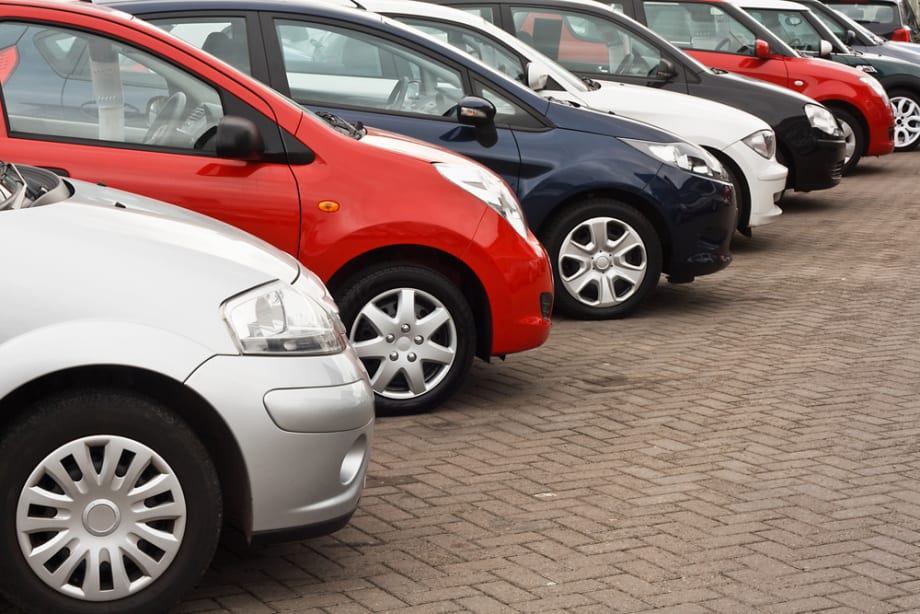
Whether it is sales, service, parts, or a rental operation, every department of a dealership should be expected to turn a profit and stand on its own as a revenue generating profit center.
Photo via Depositphotos.
6 min to read
For auto dealers with no or little experience in car rental, making the decision to conduct retail rentals within the dealership is a commitment. A solid strategy and proper planning are needed to ensure profitability.
Here are some points to consider that will help you succeed in starting a rental department within your dealership.
Treat it as a standalone business
Whether it is sales, service, parts, or a rental operation, every department of a dealership should be expected to turn a profit and stand on its own as a revenue generating profit center.
Start by hiring an experienced manager who knows the rental business. An experienced manager will know how to determine the right number of vehicles you need in your fleet, and what the right mix should be. A balance of a good vehicle utilization and daily dollar average (DDA) are important factors to keep in check.
In order to identify the profit potential and ensure long term viability, it is important to keep meticulous track of revenues and expenses.
Use rental as a sales tool
Opening up retail rentals at a dealership means exposing product and inventory to a new set of prospective customers who may not already have been in the showroom.
Make it known that rental vehicles are available for sale at any time. It is recommended that each rental vehicle include a marketing flyer (hang tag) reminding customers that the rental vehicle they are driving is for sale.
Additionally, dealers can promote the “Try Before You Buy” concept and offer to deduct the cost of the rental from the sales price of the vehicle.
The new and pre-owned departments can generate demand for rentals and the rental department should generate sales for those departments, creating great synergies that would not be available to traditional rental car companies.
Aside from selling more cars, there is also growth potential by marketing your fleet to the general public. Family vacations, business trips, or hauling the soccer team to an out of town game are great reasons to rent a car.
By marketing the rental department beyond the existing customer base, dealers can make more money renting vehicles and attract more customers to your dealership in the process.
Acquire tailor-made pre-owned inventory
A rental fleet also makes for an easy supply of profitable used vehicles to sell.
Acquiring a proprietary rental fleet for resale eliminates the uncertainty of buying vehicles at auction and saves transport and other fees.
Vehicles should be ordered so as to differentiate the fleet from other models in the market, focusing on the resale of the vehicle.
Own the customer
Rental operations are right where the demand for a replacement vehicle exists — no need to shuttle vehicles or customers to another location.
Service customers appreciate the added benefit of renting a vehicle at the same location where their vehicle is serviced.
Like with a loaner car, dealership employees will be in charge of the rental experience from beginning to end. There is no need to turn the dealership’s customer over to another service provider.
The charge for the rental vehicle can be billed to the customer through the repair order.
Offering another service, in this case retail rentals, at your dealership strengthens your foothold in the community.
Lower the cost structure
In contrast to a standalone operation, the dealership model lends itself to a lower cost structure with an existing facility. Operating expenses, including rent, utilities, internet access, telephones, security systems, and copy/fax machines are already in place in support of dealer operations.
Traditional rental operators don’t have the flexibility in staffing that dealerships are afforded. The dealer can use other employees, such as sales staff, lot attendants and the service manager to support the rental operation during peak demand periods.
Dealers should be able to maintain their fleets at a lower cost than traditional car rental competitors, as well as experiencing less downtime while rental vehicles are being serviced.
Airport operators face high rental taxes that a dealership does not experience which gives them a competitive advantage.
Shift the free loaner mindset
This mindset requires a major cultural change for dealerships that have traditionally provided free loaners. Many dealership fleets serve as little more than a source of free — but expensive — loaner vehicles for other departments.
All rentals should be paid for, even if they are paid for by another dealership department.
Commit the necessary resources
The typical dealer knows little about running a profitable rental operation. Understanding the KPI’s and tracking the profitability of the fleet is a critical component. Human and capital resources must be made available to support the department.
The department must operate as a profit center and an investment must be made in advertising (lead generation), training and the right size fleet.
Results must be tracked, and the manager must be held accountable for profitability.
Keep the used car manager away from control of the fleet
Both the rental car manager and pre-owned manager should work together on ordering vehicles for the rental fleet.
Avoid this scenario: At many dealerships, the pre-owned manager orders the fleet vehicles, choosing models and option packages that he or she wants on the pre-owned lot, even if they don’t make for the best rental cars.
Later, when the pre-owned manager needs a particular vehicle for a customer, the vehicle may be immediately transferred to the used car department at a price set by the used car manager, even if the vehicle is still needed for continuing rental operations.
Having both parties involved ensures that the inventory is acceptable to the rental customer and eventually the used car customer.
There are many methods of calculating the price of the rental vehicle at the end of its life cycle. Here are some best practices:
The general manager should be involved in determining the sales price of the vehicle.
The profit or loss on the sale of the rental vehicle should be allocated to the rental car department as they incur the operating costs throughout the lifecycle of the vehicle.
Whatever additional monies are obtained over and above the predetermined price of the vehicle set by the GM would be realized by the used car department.
View rentals for more than just service
There are many reasons why someone may choose to rent a vehicle. And dealers must train their staff to ask for all of a customer’s rental business.
Base pay on profitability
Pay should be based on the profitability of the rental operation. Dealers with a larger fleet opportunity should consider hiring a full-time, trained professional.
Adjust rates to the market
Being aware of market conditions, availability and adjusting rates to meet demand are critical elements to a successful rental car program.
Expand your fleet mix
When exploring growth potential for your rental department, don’t overlook vehicle mix. If an opportunity for a certain type of vehicle such as work trucks, off-road vehicles, minivans or convertibles comes up, then consider having these vehicles available to rent. These specialty vehicles typically command a higher price and can be a sweet spot for profits.
Knowing what your competition offers is an important determining factor in your selection of inventory for your rental fleet.
About the Author
Lori Tennant is senior director of manufacturer strategy for Dealerware. She has over 40 years of experience in the automotive and car rental sectors, with expertise in the area of courtesy cars and rental at auto dealerships.
Subscribe to Our Newsletter
More Rental Operations

Advantage, Sixt Place Among Top Five in Annual Satisfaction Study
While Enterprise and National retain the top spots in JD Power’s 2026 rankings, the latest customer satisfaction results suggest renters can find competitive service beyond the biggest car rental names.
Read More →
The $100,000 Insurance Trap in Exotic Car Rentals
Exotic rental agencies often rely on customers’ personal auto policies to protect six-figure vehicles. But policy language can dramatically change the coverage for vehicles over $100,000 MSRP.
Read More →
The Booking Is Confirmed, But Is Your Customer Ready to Drive?
For international renters, a confirmed reservation doesn’t always mean they’re eligible to drive. Earlier checks can help operators catch documentation and payment issues before the customer reaches the counter.
Read More →
ICRS 2027 Opens Call for Papers
The International Car Rental Show seeks session proposals on the business, operational, and technology issues facing car rental operators. Submissions are due Jan. 15.
Read More →
Turo to Launch Vehicle Delivery Service
Turo Delivered will let travelers search for vehicles that hosts can deliver directly to hotels, homes, airports, train stations, and other locations.
Read More →
Palm Beach Airport Code Change Creates Car Rental Distribution Gap
A test of rental searches under the old PBI and new DJT airport codes returned largely different sets of brands and vehicles, highlighting a potential distribution problem for rental operators.
Read More →
U-Save Continues Dominican Republic Expansion with Launch in Punta Cana
The new franchise location builds on U-Save’s existing Santo Domingo operation and will begin taking reservations for October 2026.
Read More →
When AI Books the Rental Car, Who Controls the Sale?
As AI moves from comparing rental rates to completing transactions, operators need to understand how travelers find, interpret, rank, and ultimately see their offers. (Part 2 of 2.)
Read More →
European Booked Car Rental Rates Fell 5%, Results Varied by Country
Ireland, Cyprus, and the United Kingdom saw steep declines, while booked rates rose in Poland and Hungary.
Read More →
Is It Time to Rethink Rental Categories?
As traditional economy and compact cars disappear from the market, longtime rental operator Mike DeLorenzo asks whether the industry’s familiar vehicle categories still make sense — and what operators need to rethink along with them.
Read More →