By establishing a verification process and enforcing certain requirements at the counter, a rental company can reduce the chances of its vehicles being stolen or used in a crime.
While working for a Dollar franchise, Jennifer Romanowski-Sullivan remembers getting a call from the manager of the Philadelphia location about missing vehicles.
“Within a month, we had a bizarre rate of cars going missing,” she says. “Renters were disappearing. They would come in and rent a car for one to two days and everything would check out. Then after a week, we were reporting the car stolen.”
Ad Loading...
One of the missing vehicles — eventually recovered — involved a woman who was later convicted of identity fraud. She used various aliases to open bank accounts, obtain credit cards, and make large purchases.
“The driver’s license was from Georgia and matched the renter’s debit card,” says Romanowski-Sullivan. “The photo looked good and the debit card swiped. We got a $250 deposit; everything seemed to check out.”
Fortunately, the vehicle was eventually recovered and the woman was later convicted of identity fraud.
Penny Sottile, franchise operations manager at Rent-A-Wreck and manager of the company’s Baltimore corporate store, received a call from the police saying that one of her rental vehicles had been used in an armed robbery. The kicker — the customer allegedly told police that the rental company gave him the car with all the guns in it.
“I was speechless,” says Sottile. “This customer had rented from us at least six times with no issues. He passed all of the qualifications at the counter. I would have never guessed that he would commit a crime with our car.”
Ad Loading...
For Romanowski-Sullivan, Sottile, and other car rental operators, vigorous counter procedures can’t always prevent theft or someone committing a crime with a car, but they can help reduce these instances from happening. Auto Rental News talked to car rental professionals — and an expert in auto theft prevention — for best practices to vet the renter before handing over the keys.
Why Rental Cars?
“Renting a car can be a good way to avoid detection if you have committed a crime,” says Steve Haney, attorney at The Haney Law Group and former lead attorney of the Auto Theft Division and Organized Crime Unit in the Michigan Attorney General’s office.
If the criminal borrows the car from a legitimate renter, police won’t be able to tie the car back to that person.
“The police will run the plate and it will come back to the rental company,” says Haney.
In Michigan, Haney sees a lot of rental cars used in drug trafficking, because arresting agencies can by law seize a drug dealer’s car in drug forfeitures. Rental cars subjected to forfeiture will be returned under the “innocent owner” statute, says Haney. But that could entail days — or weeks — of lost rental income.
Ad Loading...
Haney says cash or debit card rentals are more likely to lead to non-permissive use. And when an unauthorized driver causes an accident in the rental car, that will violate the authorized renter’s insurance coverage — leaving the rental company on the hook for the damages.
Verification Process
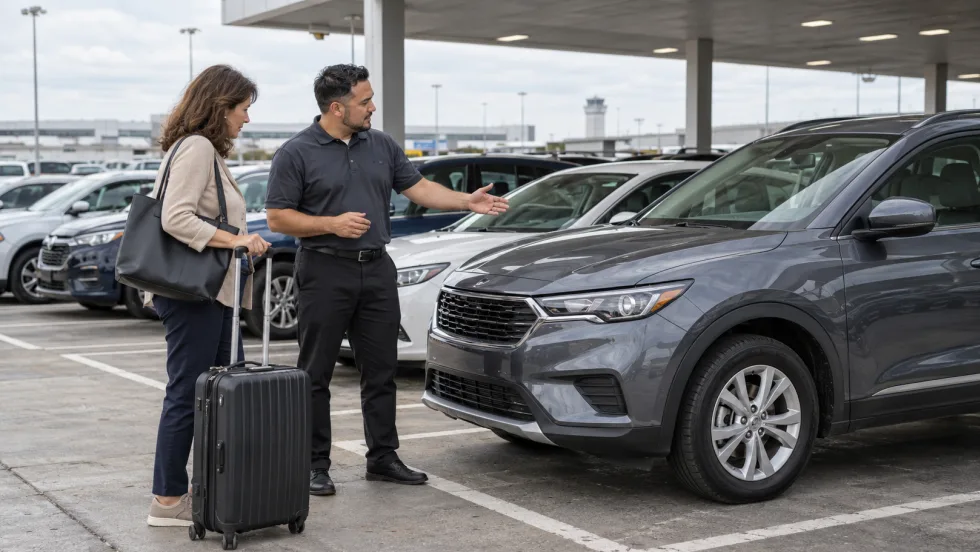
The first gate-check when verifying a renter’s identity is establishing residency and employment through up-to-date documents, especially for cash or debit card customers. Also, does the license photo actually match the person standing in front of you? James Dorsey, risk manager for NextCar, says this simple step is often overlooked.
Sottile requires three phone numbers: from an employer, an emergency contact, and a cellphone — and not a prepaid phone number, she says. If a customer opts to use personal insurance, Sottile’s counter agents will call the insurance company and verify that the customer has an active policy. If her customer’s policy doesn’t check out, the customer must take the company’s collision waiver.
“It’s a hassle to call the insurance company but it has saved us; we have gotten burned,” she says, adding that time can be saved by calling the insurer before the renter arrives.
Sottile recalls one customer who passed out drunk at a rental desk. That decision to prevent the rental was easy, as are those times in which potential customers need to blow into an ignition interlock device to prove they aren’t drunk. To this end, she also recommends checking the back of the license for wording to the effect of “alcohol restricted driver.”
Ad Loading...
To help check the validity of driver’s licenses and credit cards, Sottile installed ultraviolet (UV) document scanners at each counter station. The device’s UV lights illuminate the security features embedded in licenses from each of the 50 states as well as the emblem on the back of credit cards.
The scanners cost about $50 and don’t require any extra fees — but they’re not fail-safe. Sophisticated criminals, such as the renter in Romanowski-Sullivan’s case, will overlay magnetic strips with valid information onto valid credit cards or licenses. In these cases, real-time verification systems are necessary, though in addition to hardware costs they come with a fee for each document check.
Romanowski-Sullivan’s company allowed debit card customers, but went one step further by using a LexisNexis program to complete driver’s license verifications.
To Romanowski-Sullivan, it’s also about asking questions. “Make it more of a general conversation as part of your customer service process,” she says. “Most people have no problem sharing information if they aren’t up to anything. Feel your customer out.”
What happens if a customer checks out using the normal procedures but a counter agent still gets that gut instinct to not give the customer a car? Sottile says that requiring a list of qualifications, and sticking to that list firmly, will weed out most customers who won’t take the time to gather all the paperwork.
Ad Loading...
“Your company’s policies are your strongest defense at the counter,” she says. “If your employees don’t follow them, you are in trouble.”
Counter and Lot Security
Though seemingly a basic procedure, Dorsey says to lock car doors on the lot. And don’t tempt renters by leaving car keys in view of renters. “When you go out to the lot, don’t leave a board of keys visibly sitting on the counter while you have a rental lobby with 13 people in it,” says Dorsey.
A well-lit rental lot can help reduce vandalism or theft in the middle of the night. According to Dorsey, some rental operators install cameras on their lots, too. “In my personal opinion, cameras aren’t too great at facial recognition, but they are good at catching license plate numbers,” he says.
“No one hotwires cars anymore,” says Dorsey. However, operators should be aware of a device that can capture a signal from a nearby key fob that would allow a criminal to open the car — and activate the push-button start to drive away.
To keep better track of vehicles, Dorsey recommends walking the lot each day to conduct fleet inventory.
Ad Loading...
“Take the printed report [the number of fleet vehicles calculated by your system] and compare it to the number of vehicles you count on your lot,” says Dorsey. “You could have a stolen car but might not know. It’s a better way to more tightly manage your fleet inventory.”
How to Report Suspicious Activity
When rental employees observe suspicious activity or find evidence, they should be trained on how and to whom to make a report.
“If you suspect that the vehicle itself could be evidence of a crime, the safest and smartest thing to do is to document the incident and inform law enforcement,” says Wesley Hurst, an attorney with the Polsinelli law firm with experience in rental car company litigation and representation.
Hurst advises these steps when reporting suspicious activity:
- Before informing law enforcement, determine the identity of all individuals who have or may have had contact with the vehicle.
- Know which employee rented the vehicle, who discovered the evidence, and anyone who would testify to the state of the vehicle.
- Collect the documents signed by the renter and put the vehicle in a safe place.
- Do not remove any items, even if there are items that belong to the company (GPS unit).
- If law enforcement is interested in impounding the vehicle as evidence, ask for an inventory and photos of the vehicle for insurance purposes.
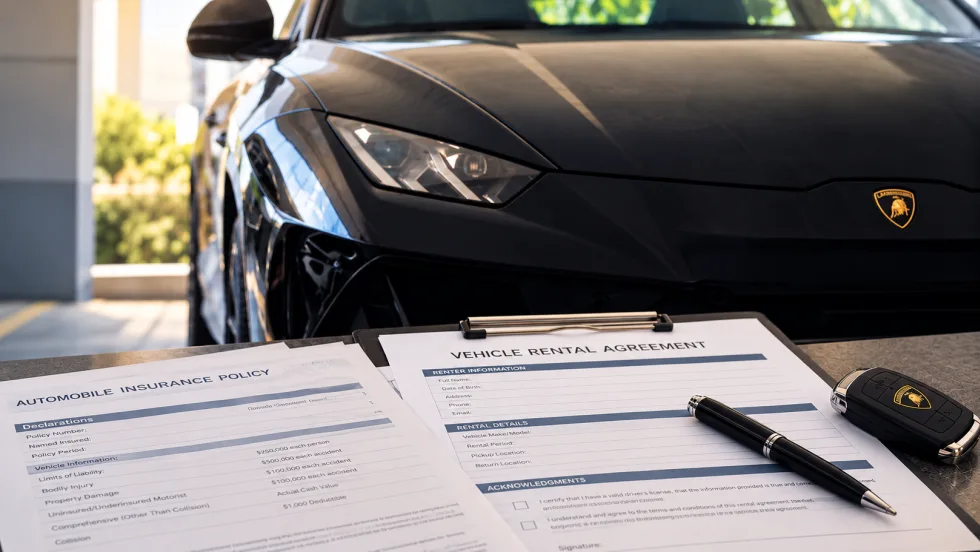
A suspicious $45,000 Lamborghini booking reveals the strengths and limitations of renter verification, from forged insurance documents to coverage gaps and unauthorized drivers. (Part 2 of 3)
The partnership brings Tesla's Full Self-Driving (Supervised) technology into the rental experience, offering a glimpse of how increasingly automated vehicles could change car rental.
As regulators scrutinize the use of customer data in pricing, rental operators need to know whether they can explain why one renter pays more than another.
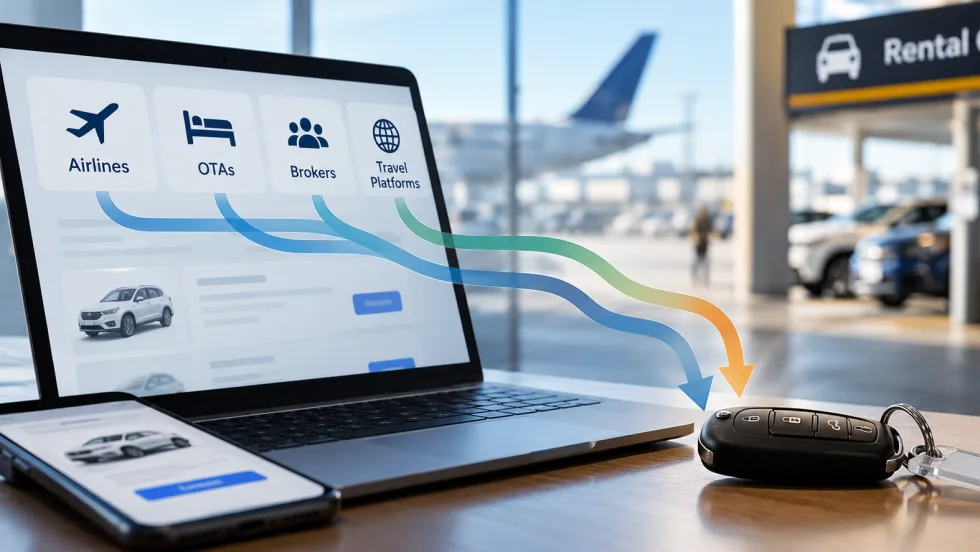
As travel retailers weigh direct supplier relationships against third-party distribution, rental operators need to understand how those decisions affect their business.
With 170 vehicles across three Kentucky locations, Joel Price relies on an overseas team to handle reservations, payments, and after-hours customer service. It's one part of an unconventional approach to growing an independent rental operation.
With Ana Laborde supporting broker development, NPR Auto Group is tailoring distribution strategies, rate packages, and partnerships to grow international reservations across its three brands.
While Enterprise and National retain the top spots in JD Power’s 2026 rankings, the latest customer satisfaction results suggest renters can find competitive service beyond the biggest car rental names.
Exotic rental agencies often rely on customers’ personal auto policies to protect six-figure vehicles. But policy language can dramatically change the coverage for vehicles over $100,000 MSRP.
For international renters, a confirmed reservation doesn’t always mean they’re eligible to drive. Earlier checks can help operators catch documentation and payment issues before the customer reaches the counter.