


Five Steps to Better Hiring
Finding the right fit for your team is not easy, but your ability to effectively interview and select the best talent will positively impact your bottom line, your customer's experience and your team's morale.

Finding the right fit for your team is not easy, but your ability to effectively interview and select the best talent will positively impact your bottom line.

Finding the right fit for your team is not easy, but your ability to effectively interview and select the best talent will positively impact your bottom line.
Have you ever asked yourself, "Where did that great person we interviewed go?"
While many operators understand the value of a strong sales associate or frontline manager, their efforts get washed away because their selection process is poorly defined — or they do not take the time to be properly involved with it.
Your ability to effectively interview and select the best talent will positively impact your bottom line, your customer’s experience and your team’s morale. Here are five strategies that will improve your selection process.
1. DEFINE THE IDEAL CANDIDATE
Whether you are hiring for a high-volume season or proactively recruiting to keep your talent pool fresh, it is important to start with the vision of who you want on your team. Unfortunately, many operators waste time and money on sourcing candidates without clearly defining the ideal ones because they feel pressure to “get as many good people through the door.”
The most effective sales reps and managers will have the S-E-E-E Factor: Sincerity, Empathy, Ego and Energy.
Candidates who are sincere will be effective at selling with conviction and purpose. Their learning curve for a service-based sales process will be much shorter than someone lacking this core trait.
Candidates who are empathetic will be able to relate to their customer base and connect with their new team.
Candidates with a healthy sense of ego will be driven to perform and motivated by recognition. Their ability to not get defeated by the constant barrage of “No’s” will help them remain positive while they strive day-in and day-out to be the best.
Candidates who are energetic will have an easier time engaging customers because of their ability to make a great first impression. Their ability to be passionate about something outside of work will keep them motivated while at work.
After you customize your list of core attributes, benchmark your current top performers and managers against the list. Have your top performers take personality profile assessments, as this will make the benchmarking process precise and convenient. Once the results are calibrated, incorporate the same personality profile assessment into your selection process.
2. MOTIVATE YOUR AMBASSADORS
Candidates are mentally hired by most interviewers within the first minute of the interaction, while the interviewers spend the balance of their time justifying their first impression. The same holds true for the candidate as they approach your selection process.
The first impression your organization makes on a candidate is equally important. The person in your company who is in contact with the candidate needs to understand the impact of his or her first impression. That person should have the same S-E-E-E factor that your firm is looking for.
Call this person an “Organization and Opportunity Ambassador.” He or she has to sell the positives of the organization and present the opportunity to the candidate as the best opportunity out there.
Hotel and hospitality firms such as Disney, Marriott, Four Seasons, and Intercontinental Hotels use the Ambassador approach. It’s no wonder these brands are consistently recognized as great places to work and to launch a career.
[PAGEBREAK]
3. KNOW YOUR UNIQUE RECRUITMENT MESSAGE
Your ability to focus on the positive growth aspects of the industry and the opportunities available to candidates will impact the outcome of your recruitment campaigns. Building your message on career path development, work group and role versatility, the customer’s experience and potential earnings will keep candidates attracted to the opportunity.
Adjusting your message throughout the interview process by specifically focusing on candidates’ motivational driver of money, recognition or accountability will make your message resonate with them. After connecting with candidates, it is critical that interviewers communicate what the industry and the organization means to them, what opportunities your organization provides to them and why they like coming to work every day.
If your operations team or lead recruiter has a hard time expressing that message, he or she is acting more like a recruitment administrator and less like an ambassador.
4. MAKE THE CANDIDATE WORK AS HARD AS YOU DO
When something is handed to you or is given to you easily, how do you treat it? What type of value do you place on it? Why do some people live by the old game of “playing hard to get?” It has been proven that when someone works hard for something and the end goals — reward and recognition — are scarce, he or she wants it even more.
Setting a multi-stage interview process will force candidates to work harder for the opportunity, intensify their desire and most importantly, give you and your team the information you need to know about their background and personality.
The most effective operators deploy a three-stage interview process. Having three levels of screening will give your team an objective view of candidates and their strength levels. It shows candidates that your firm is serious about finding the right person. Once they make it through, they have a greater sense of appreciation for the role and organization.
[PAGEBREAK]
Here is an example of a three-stage selection process that can be deployed over a one- to two-week time period:
Interview 1: The Screening Interview
Purpose: To assess the applicant for fit and aptitude and to determine if a second interview is warranted.
Conducted by: Frontline manager or sales manager
Time: 20 to 30 minutes
Delivery notes: If the screening interview is going well, within the final 10 minutes of the meeting administer an initial personality profile assessment.
Interview 2: The In-Depth “Behavioral-Based Discussion”
Purpose: To determine if the candidate has the S-E-E-E factor as well as the top attributes valued by the organization.
Conducted by: Senior location manager or location manager
Time: 60 to 90 minutes
Delivery notes: Review the personality profile assessments prior to the second interview. Establish a list of “how would you handle” or “what are your views on this” questions to help your team calibrate the candidate. The candidate should be doing more than 80% of the talking during the interview.
Interview 3: “The Vision Interview”
Purpose: To finalize reference checks, ensure the operator answered everything for the candidate; to provide a mechanism for senior leadership to give the final stamp of approval and add team accountability to the process; to communicate where the company is going and how the candidate’s role fits into the organization’s vision.
Conducted by: General manager, owner or senior leader
Time: 15 to 30 minutes
Delivery notes: Establish levels of sales and service expectations and include your human resources and admin team; set final job offers; communicate training and start dates. Get the candidates’ feedback on the recruitment process to allow room for improvement.
5. AVOID THE 90-DAY WONDER
Top performing companies understand that the recruitment process does not end with the job offer. They communicate early on that meeting a role expectation may land the candidate a job, but exceeding those same expectations will get them promoted, financially rewarded and recognized.
Establish a report within the first 75 days of employment with new team members, their supervisors and human resources. This new set of checks and balances will allow enough time for your operations and HR teams to make the appropriate corrective actions if candidates are not living up to their potential and the expectations your organization set forth.
Finding the right fit of sales professionals, managers and support team is not easy, but it is not impossible if you have the correct recruiting and selection process in place. As you consider the difficulty of building a best-in-class team, keep in mind that nothing valuable comes easy.
About the Author
Ken Stellon is a managing partner for the Frontline Performance Group. Stellon and his team have been contributors to Auto Rental News for more than 15 years.
[PAGEBREAK]
WHAT MAKES A TOP PERFORMER?
During the 2013 Auto Rental Summit, Ken Stellon and the Frontline Performance Group (FPG) team will present the results of an extensive study that defines the key profile characteristics of the industry’s top performers.
FPG administered its personality profile to selected top performers from licensee and corporate locations throughout North America, South America and Europe.
In this groundbreaking study, FPG will share the most common motivational drivers of this best-in-class workforce, their specific personality profiles and their paths into the car rental industry, and then share specific insights on how to recruit and source your next top performer.
The second annual Auto Rental Summit will take place Nov. 4-5 at the Seminole Hard Rock Hotel and Casino in Hollywood, Fla. Visit www.autorentalsummit.com for details.
INTERVIEWING AND HIRING FACTS AND FIGURES
According to a recent survey by Right Management, 60% of job hunters will undergo three or more interviews before receiving an offer, while 20% participate in four or more interviews. Only 3% have one interview.
Filling job openings with the wrong candidates can be costly. According to an online survey conducted by CareerBuilder of 2,494 hiring managers and human resources professionals, 69% experienced costly bad hires in 2012. Some 41% cited that the high costs associated with making a single bad hire exceeded $25,000, while 24% cited costs surpassing $50,000. The most common reason (43%) associated with a bad hire was attributed to pressure to fill the job opening.
According to the research firm Aberdeen Group, about 56% of companies do some form of personality testing before hiring.
According to a survey by the American Management Association, “Almost 90% of firms that test job applicants say they will not hire job seekers when pre-employment testing finds them to be deficient in basic skills.”
More Rental Operations
Hertz, Avis: Parsing the Q3 Headwinds and Tailwinds
Third-quarter results from Hertz and Avis show resilient pricing despite softer travel demand. Meanwhile, higher operating costs, recalls, uneven vehicle depreciation, and international weakness continue to put pressure on profits.
How Better Cleaning Processes Improve Rental Fleet Efficiency
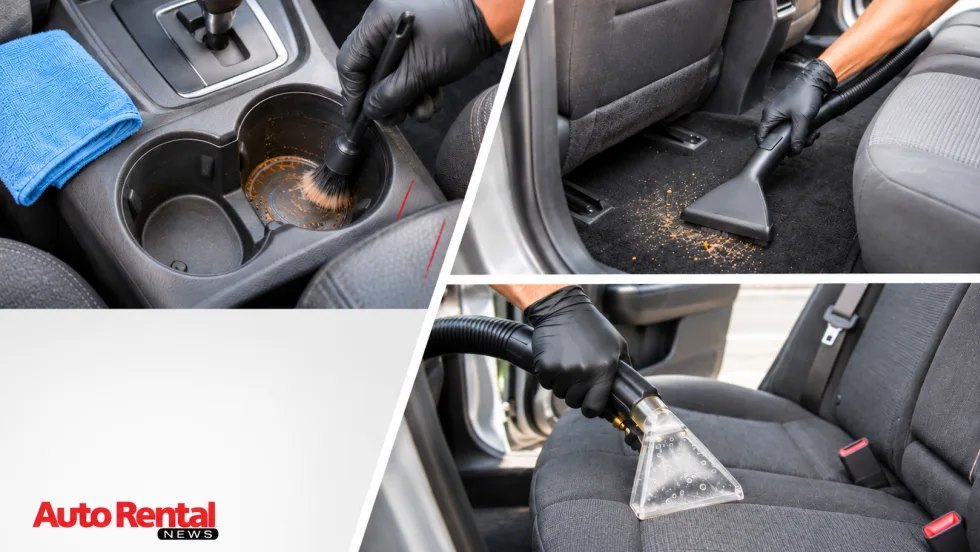
A consistent approach to vehicle cleaning helps rental operators reduce turnaround delays and return vehicles to service without compromising cleanliness.
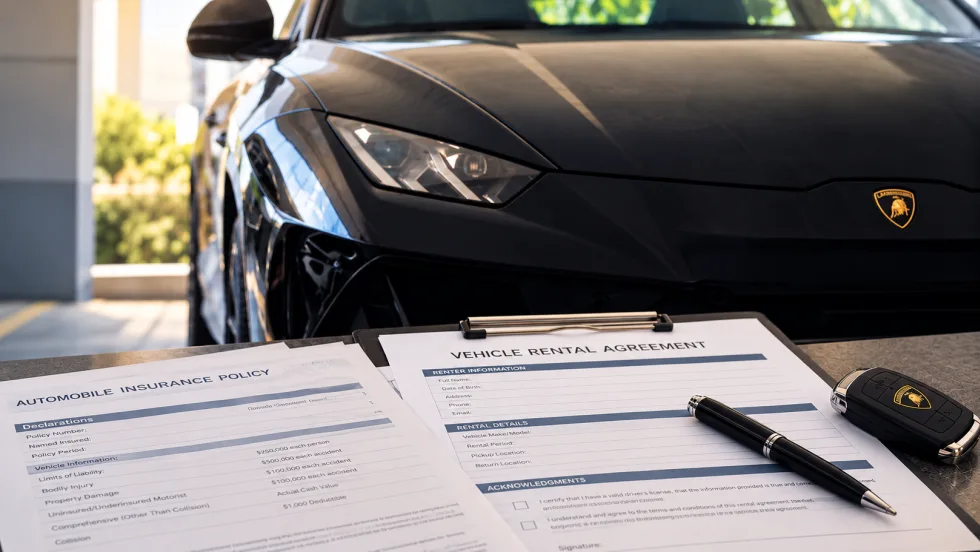
Clean on Paper: Red Flags in Exotic Car Rental Verification
A suspicious $45,000 Lamborghini booking reveals the strengths and limitations of renter verification, from forged insurance documents to coverage gaps and unauthorized drivers. (Part 2 of 3)
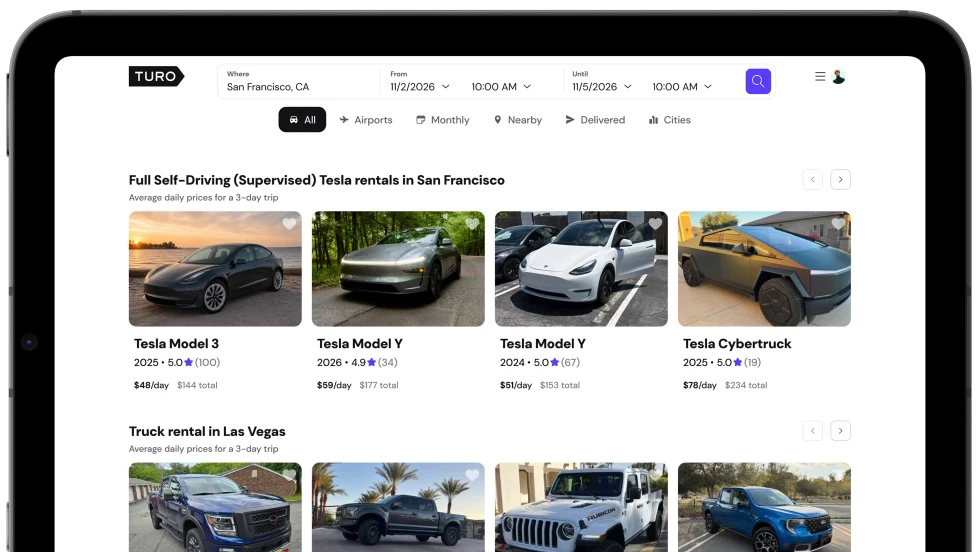
Turo and Tesla Take the Next Step Toward Autonomous Car Rentals
The partnership brings Tesla's Full Self-Driving (Supervised) technology into the rental experience, offering a glimpse of how increasingly automated vehicles could change car rental.
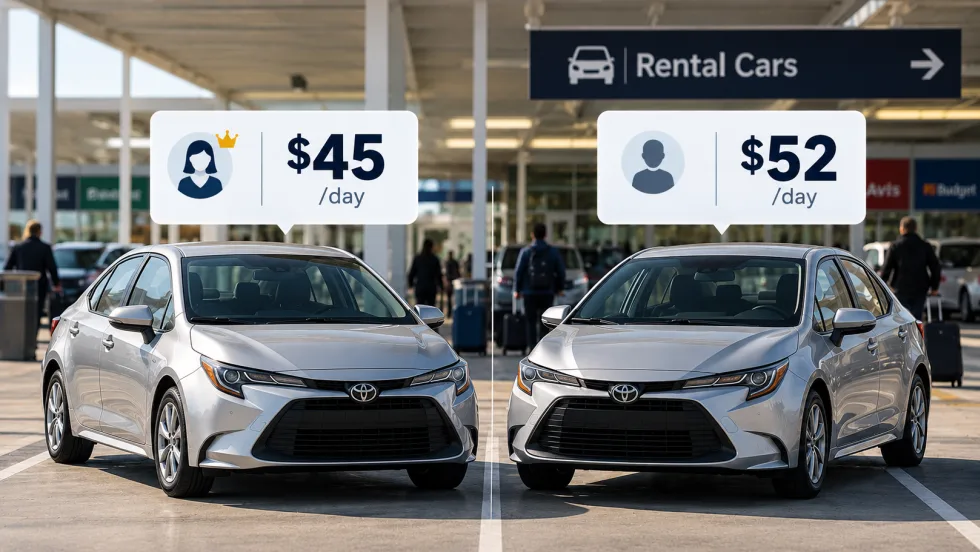
How Rental Operators Can Navigate Personalized Pricing Rules
As regulators scrutinize the use of customer data in pricing, rental operators need to know whether they can explain why one renter pays more than another.

Direct, Broker or Hybrid? How Travel Retailers Source Rental Cars
As travel retailers weigh direct supplier relationships against third-party distribution, rental operators need to understand how those decisions affect their business.
How Did This Independent Rental Operator Grow to 170 Vehicles in 4 Years?
With 170 vehicles across three Kentucky locations, Joel Price relies on an overseas team to handle reservations, payments, and after-hours customer service. It's one part of an unconventional approach to growing an independent rental operation.
What Does It Take to Succeed in B2B Rentals?
The fundamentals may be familiar to daily car rental operators, but project-based truck rentals put different demands on the fleet and the business.

NPR Builds on International Partnerships to Grow Rental Bookings
With Ana Laborde supporting broker development, NPR Auto Group is tailoring distribution strategies, rate packages, and partnerships to grow international reservations across its three brands.

Advantage, Sixt Place Among Top Five in Annual Satisfaction Study
While Enterprise and National retain the top spots in JD Power’s 2026 rankings, the latest customer satisfaction results suggest renters can find competitive service beyond the biggest car rental names.