




How Fleets Access — and Supply — the Turo for Work Trucks
Fetch is an on-demand peer-to-peer rental service for pickups, box trucks, and cargo vans. Cofounder Adam Steinberg says the commercial side is its fastest growing segment.

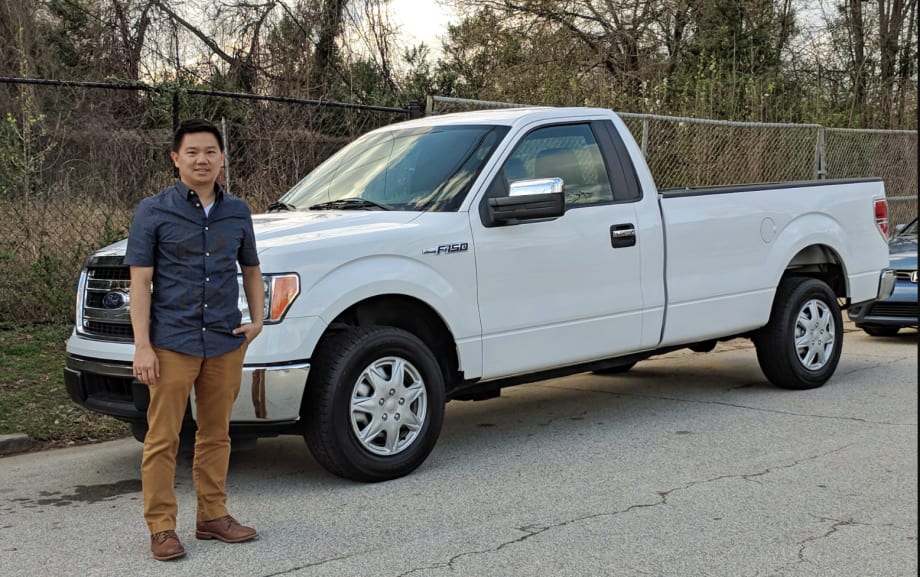
Alex Chu is a Fetch power host based in Atlanta.
Photo courtesy of Fetch.
If Adam Steinberg had his way, the bumper sticker might read, “Yes, this is my truck, and yes, you can use it to move — if you rent it through Fetch.”
Fetch, a peer-to-peer (P2P) marketplace like Turo and Getaround, allows users to rent trucks and vans 24/7 on demand for an hour, day, week, or longer. The entire rental process, from sign-up and verification to pickup and return, is done through a smartphone app. Renters can choose from pickup truck, cargo van, and box truck models.
“Our goal is to enable self-service,” says Steinberg, who cofounded the company with Chris Glace. Fetch vehicles are available in seven cities to date.
Steinberg sees opportunity in matching underutilized work vehicles with individuals and local businesses that have temporary, unexpected, or seasonal needs — such as movers, contractors, and sales and service fleets — particularly in areas that are underserved by traditional truck rental companies.
“The caterers, the florists, the event planners, they all have needs for trucks that aren’t on a five-days-a-week basis,” Steinberg says. “They can pick up and return a truck nearby whenever they need.”
On the supply side, commercial businesses will list their vehicles on Fetch when they need to supplement revenue on their vehicles. Steinberg gives the example of a logistics company that is facing gaps in delivery demand or changes in routes.
“Commercial businesses are bigger customers than vehicle supply partners at this point for us,” says Steinberg.
Suppliers to the site — hosts — are individuals, small fleet owners, and specialty rental companies looking to increase utilization of their trucks and vans. In February, Fetch partnered with Budget Truck Rental, making Budget trucks available through the online marketplace.
Like Turo, entrepreneurs are finding their way to the Fetch platform. “We've got a fair amount of ‘power hosts’ that buy two to five trucks and put them on Fetch for a secondary income source,” Steinberg says.
Self Service, After Hours
One such host, Marcus Garsdean, runs a large fleet buying brokerage service in the Los Angeles area.
Four months ago, Garsdean bought four Ram ProMaster 1500 van and Ram 1500 pickup models to supply the Fetch platform. He’s looking to add five more vehicles in the next few months.
While Fetch supplies a good portion of the renters, Garsdean created his own brand, LA Rental Trucks, with a website that funnels users to Fetch’s reservations system. Garsdean’s client base right now consists of local individuals, independent businesses, and production companies serving the tv and film industries.
The average Fetch consumer rental is typically a day, though hourly rentals are common. While much of Garsdean’s demand is for hourly rentals, Steinberg says most commercial rentals run from a day up to 30 days.
Compared to the franchised truck rental brands, “People love the self-service aspect, not having to deal with a counter or an agent,” Garsdean says. “And they love being able to pick up at 6am and return it past midnight.”
The Process
Fetch rentals are enabled by vehicle hardware that connects to the OBD-II port. The hardware facilitates remote lock and unlock, GPS tracking, immobilization, and access to telematics data. Hosts pay $49 per unit. Garsdean had his units installed at a car audio store.
Fetch hosts park their vehicles in driveways, on the street, in their own business lots, or in contracted parking, as is Garsdean’s case. The app unlocks the vehicles; the keys are inside.
Hosts ultimately control rental pricing, though Fetch provides suggestions on market rates. Fetch's cut is 20% of the rental rate for commercial hosts (that provide their own commercial insurance) and 30% for P2P hosts.
Fetch offers host insurance with a $1,000 deductible for physical damage. Fetch’s P2P policy covers owners of commercial fleet vehicles, or they could procure their own commercial rental policy, as Garsdean has done.
Steinberg sees near-term growth potential in other California cities as well in Texas and Charlotte, N.C. “We’re actively looking for partners to serve these new markets,” Steinberg says.
Originally posted on Automotive Fleet
More Rental Operations
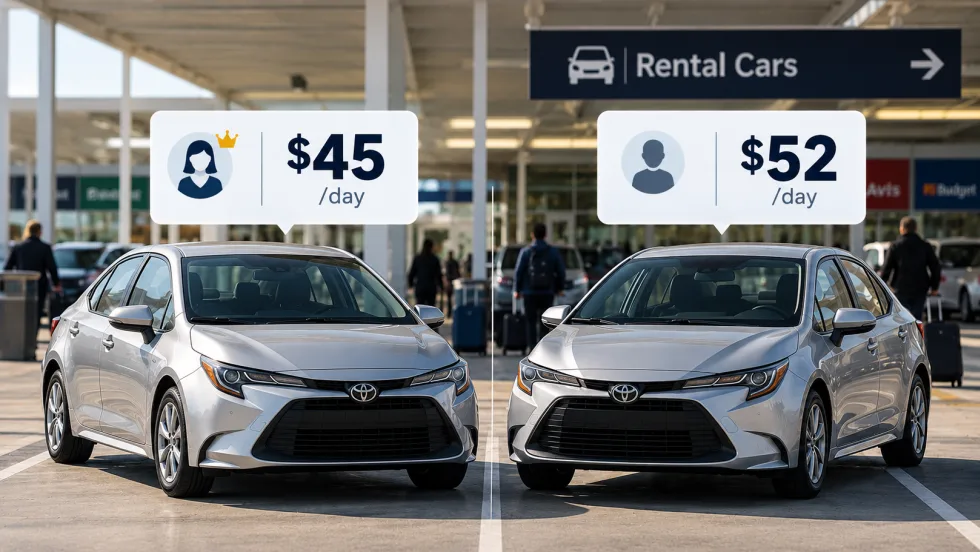
How Rental Operators Can Navigate Personalized Pricing Rules
As regulators scrutinize the use of customer data in pricing, rental operators need to know whether they can explain why one renter pays more than another.
Read More →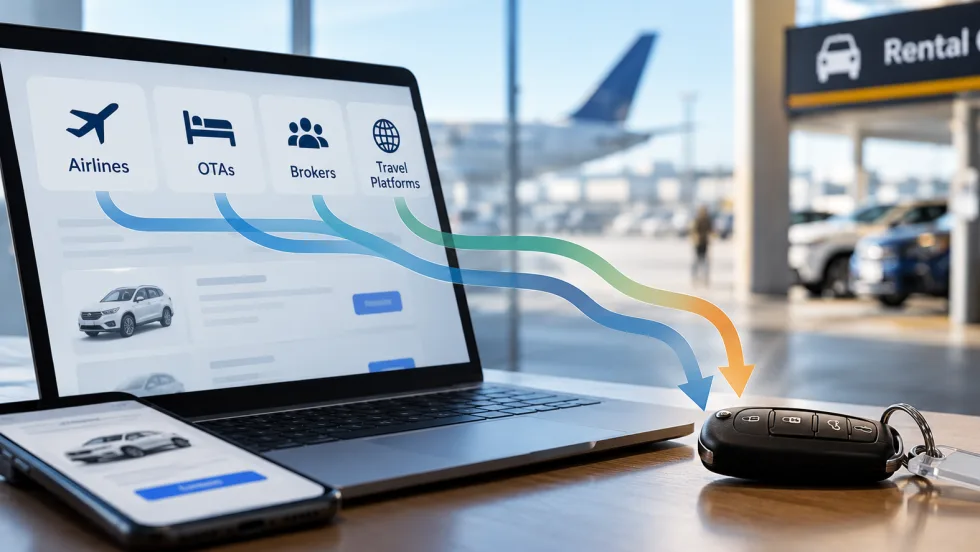
Direct, Broker or Hybrid? How Travel Retailers Source Rental Cars
As travel retailers weigh direct supplier relationships against third-party distribution, rental operators need to understand how those decisions affect their business.
Read More →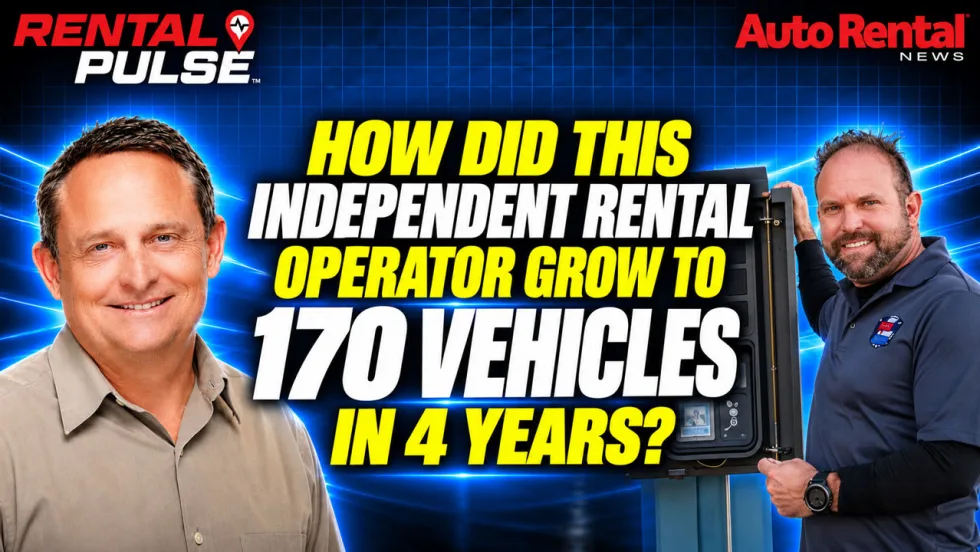
How Did This Independent Rental Operator Grow to 170 Vehicles in 4 Years?
With 170 vehicles across three Kentucky locations, Joel Price relies on an overseas team to handle reservations, payments, and after-hours customer service. It's one part of an unconventional approach to growing an independent rental operation.
Read More →
What Does It Take to Succeed in B2B Rentals?
The fundamentals may be familiar to daily car rental operators, but project-based truck rentals put different demands on the fleet and the business.
Read More →
NPR Builds on International Partnerships to Grow Rental Bookings
With Ana Laborde supporting broker development, NPR Auto Group is tailoring distribution strategies, rate packages, and partnerships to grow international reservations across its three brands.
Read More →
Advantage, Sixt Place Among Top Five in Annual Satisfaction Study
While Enterprise and National retain the top spots in JD Power’s 2026 rankings, the latest customer satisfaction results suggest renters can find competitive service beyond the biggest car rental names.
Read More →
The $100,000 Insurance Trap in Exotic Car Rentals
Exotic rental agencies often rely on customers’ personal auto policies to protect six-figure vehicles. But policy language can dramatically change the coverage for vehicles over $100,000 MSRP.
Read More →
The Booking Is Confirmed, But Is Your Customer Ready to Drive?
For international renters, a confirmed reservation doesn’t always mean they’re eligible to drive. Earlier checks can help operators catch documentation and payment issues before the customer reaches the counter.
Read More →
ICRS 2027 Opens Call for Papers
The International Car Rental Show seeks session proposals on the business, operational, and technology issues facing car rental operators. Submissions are due Jan. 15.
Read More →
Turo to Launch Vehicle Delivery Service
Turo Delivered will let travelers search for vehicles that hosts can deliver directly to hotels, homes, airports, train stations, and other locations.
Read More →