




It’s Time to Ditch the Incremental Sales Stigma
High-pressure sales techniques don’t fuel incremental sales. The truth is, the products genuinely add value to the customer experience and help build customer relationships.
Simply mentioning the words incremental sales seems to conjure up so many images. Most often, it’s not the image of a satisfied customer, but one who has been pushed or pressured. Let’s dispel the negativity and explore the true benefits of incremental sales — for the consumer and the rental company.
What exactly are incremental sales?
The term refers to the revenue above the base rental rate (time and mileage). Incremental sales yield is calculated by dividing incremental revenue by the total number of rental days. Some of the items included are change of equipment (upgrade, upsell), loss/physical/collision damage waiver, supplemental liability insurance, renter’s liability protection, personal accident coverage, personal effects coverage, emergency sickness protection, baby seats, ski/roof racks and fuel options.
Too often, sales presentations are viewed as a means for pressuring people to buy things they may not need. Actually, people love to spend. But people buy for their own reasons. People love to buy, but hate to be sold to.
Zig Ziglar, a renowned sales and service expert, often says, “Most buyers don’t know what they want until you show them why they should want it.”
The reality is that success in incremental sales is not about playing tricks to get people to buy things they don’t want or need. It’s about learning to present the products and services in a way that encourages people to make informed buying decisions.
Overall, the objective of every operation should be to provide five-star customer service with integrity and professionalism to every customer. Customers who experience this service will return again and again. Most people who receive great service are willing to pay for it.
The total experience involves a variety of considerations: facility appearance, expediency of the rental and return process, the rental process itself, shuttle service, vehicle quality, rates and value, and the friendliness and helpfulness of the rental staff.
Sales are a big part of that experience. There’s value in helping customers get the right vehicle, get the appropriate coverages, and save time through the refueling service. These services are as important as the items listed earlier. [PAGEBREAK]
Understanding the Guiding Principles
To maximize the overall experience of customers, rental agents need to develop a relationship with them. CSRs must have a strong belief and understanding of the products and their benefits. Your employees also must possess the knowledge and skills necessary to present these benefits effectively. This will allow customers to experience greater value and feel confident in their buying decisions.
The most successful organizations embrace all three principles on all levels — from managers to the front-line staff, from the front-line staff to the external customers.
The most effective way to help customers get what they truly want and need begins with building a relationship. Most customers view cars as a commodity. What makes an impression on customers is the emotional impact your employees have on them. Customers don’t come to the counter and say, “I will give you 10 minutes to sell me everything you have.” There are only a couple of minutes to sell with each customer. CSRs earn those precious minutes through the quick connection they establish with the customer.
When employees win people over, customers want to hear every word. When CSRs believe that selling is what they do for customers, not to customers, customers feel served and will want to buy from them.
Belief in the products and prices is a critical attribute in overcoming the biggest obstacle to incremental sales. Both parties need to see value in the services and products offered at the counter.
CSRs provide a service when they offer vehicles, coverage and other options consistently at the counter. Not everyone wants a compact car. If they did, that category — not full-size vehicles and SUVs — would be the best-selling car class.
You and your CSRs need to believe in the “complete protection package” for customers. Coverage is designed for people who are fully covered as much as it’s designed for people who have no insurance.
Believe in prices. Car rental is still the single best value in the travel industry. In fact, in some cases prices are the same as they were 10 or 20 years ago. A $500 tuxedo can rent for $100 per night. A hotel room, occupied just eight or nine hours, can go for four times as much as a vehicle rental. Share these examples with CSRs — and even customers if necessary. People want to feel good about the choices they make. Consumers want value. [PAGEBREAK]
The Real Deal — Products and Benefits
To earn respect as a service and sales professional, product knowledge is key. This knowledge builds credibility and enables the CSR to have more confidence in offering the products and asking a fair price.
Think about the last time you went to a restaurant and asked about the specials or something on the menu. How would you feel if the server had to run to the kitchen to ask about either? If the server is not knowledgeable or confident, how can you be? Why would it be different at the rental counter? What kind of credibility does a CSR earn if he or she doesn’t even know the most basic features and benefits of the products?
Learn the features of your products and how to translate those features into individual customer benefits, based on the needs of customers.
When agents explain features, they define what the product or service is. But when they explain benefits, they help customers understand why the product or service suits their needs. Then customers are more interested in buying.
When offering incremental products:
• Be consistent — Ask customers about themselves, the number of people traveling, where they plan to drive, and how much luggage they have. Then you and your agents can make recommendations based on each customer’s specific needs.
• Serve, not sell — The key is learning how to effectively use the features and benefits to match customers’ needs. Avoid the negative. Spend time building up the positives of the products. Don’t waste time telling customers what the other vehicle or their coverage does not have. Customers want to hear what’s in it for them, not what they cannot have or do.
• Remain positive.
[PAGEBREAK]
Fuel Purchase Option Guidelines
• Communicate the value — Fuel is the one incremental item that 100% of customers buy somewhere. Why not purchase it from your company?
• Explain the convenience — A fuel option gives customers more time in their life. Many customers already pay for time by using a laundry service, ATM machines, room service, valet parking, bellmen, curbside baggage check-in, etc. Fuel should always be sold as a time-saver — not as a better deal than on the street.
Always avoid phrases such as: How many miles will you be driving? Do you think you will be using a whole tank of fuel? Would you like to return empty? These types of questions tend to confuse people. When people are confused, they have a hard time spending or enjoying the interaction.
Creating a High-Performing Sales Culture
Despite the revenue opportunities, the task of changing your company’s sales culture may still seem rather daunting. How can you get started?
You need to create a workplace environment with the following elements: development, compensation, communication, recognition, support, opportunities, input and trust.
You need to take the next steps quickly, whether you change your environment using current staff or bring in a “turnkey” consulting company to manage the transition. If you don’t display a sense of urgency, change will most likely never occur.
The difference in profitability between a company that’s optimizing its performance potential and a company that’s fulfilling orders can be significant. A 250-car operator that averages 81% utilization can generate about 75,000 DBR days per year. If the operator is running a $4 incremental yield but could be running an $8 yield, the company is failing to capture an additional $300,000 (75,000 days X $4 difference) per year. And increased sales revenue is about 70% profit — it equates to roughly $200,000 to the bottom line.
For that 250-car operator, the revenue can be the difference between a disastrous year and a phenomenal year. As Joe Paterno, the coach at Penn State for 35 years, says: “All teams want to win on Saturday. The ones who do are the ones who wanted to win on Monday.”
The teams or operators who want to do the work year-round, and not just every now and then, are those who will reach their potential. Anything less is short-changing the customer, the employee and the organization.
Ziad Khoury is the founder and president of the Khoury Group. Rick Zoppi is the senior director of organizational development and senior speaker at Frontline Profit Solutions. Mary Jane E. Wells is the director of marketing and technical support. They can be reached at zkhoury@khouryconsulting.com, rzoppi@khouryconsulting.com, mwells@khouryconsulting.com or via telephone at (407) 682-3434. Frontline Profit Solutions, a division of the Khoury Group, works with companies to improve average yield and customer service, and decrease turnover through training and development.
More Rental Operations

Palm Beach Airport Code Change Creates Car Rental Distribution Gap
A test of rental searches under the old PBI and new DJT airport codes returned largely different sets of brands and vehicles, highlighting a potential distribution problem for rental operators.
Read More →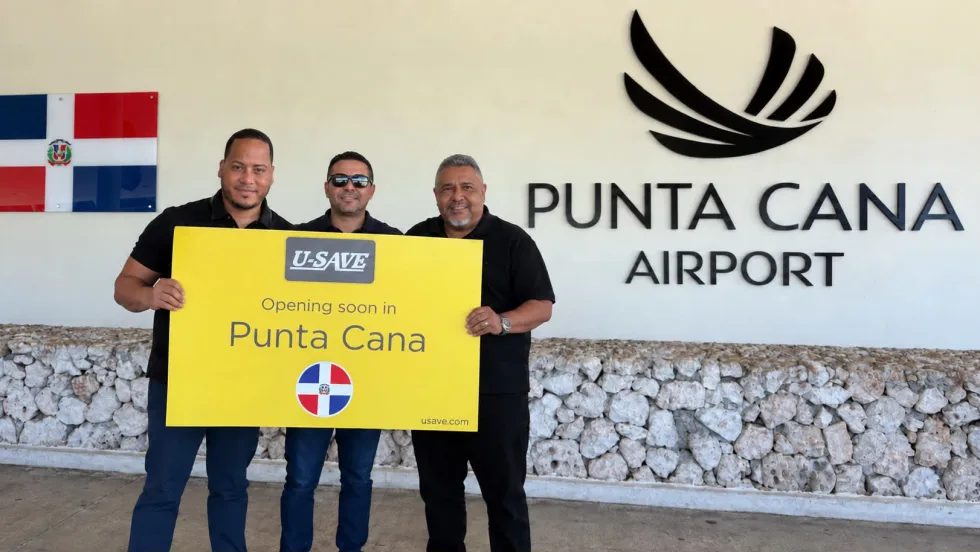
U-Save Continues Dominican Republic Expansion with Launch in Punta Cana
The new franchise location builds on U-Save’s existing Santo Domingo operation and will begin taking reservations for October 2026.
Read More →
When AI Books the Rental Car, Who Controls the Sale?
As AI moves from comparing rental rates to completing transactions, operators need to understand how travelers find, interpret, rank, and ultimately see their offers. (Part 2 of 2.)
Read More →
European Booked Car Rental Rates Fell 5%, Results Varied by Country
Ireland, Cyprus, and the United Kingdom saw steep declines, while booked rates rose in Poland and Hungary.
Read More →
Is It Time to Rethink Rental Categories?
As traditional economy and compact cars disappear from the market, longtime rental operator Mike DeLorenzo asks whether the industry’s familiar vehicle categories still make sense — and what operators need to rethink along with them.
Read More →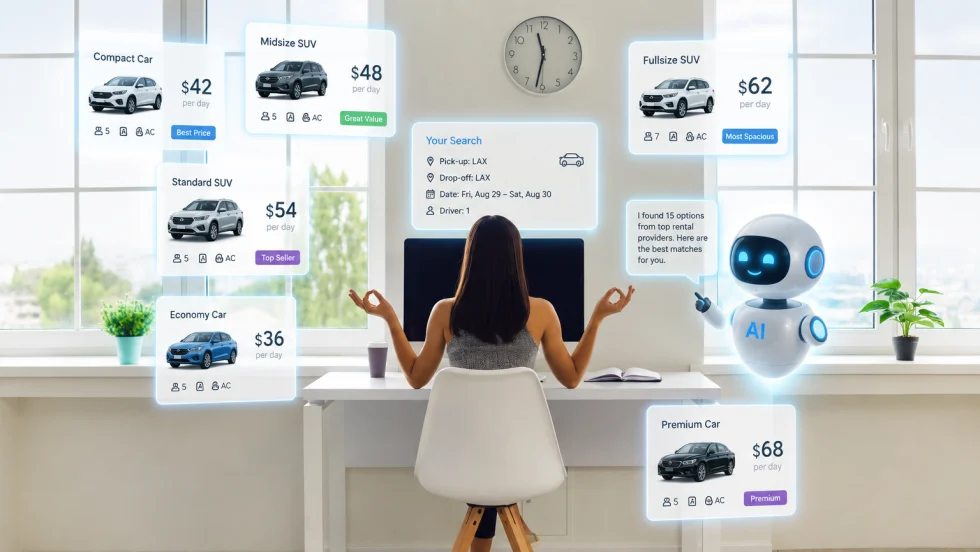
Who Owns the Rate? AI Is Creating a New Distribution Problem for Car Rental
Generative Engine Optimization asks whether AI can find a rental company, but operators also need to know whether the agent inspected enough of the market, compared equivalent offers, and presented a rate the traveler can actually book. (Part 1 of 2)
Read More →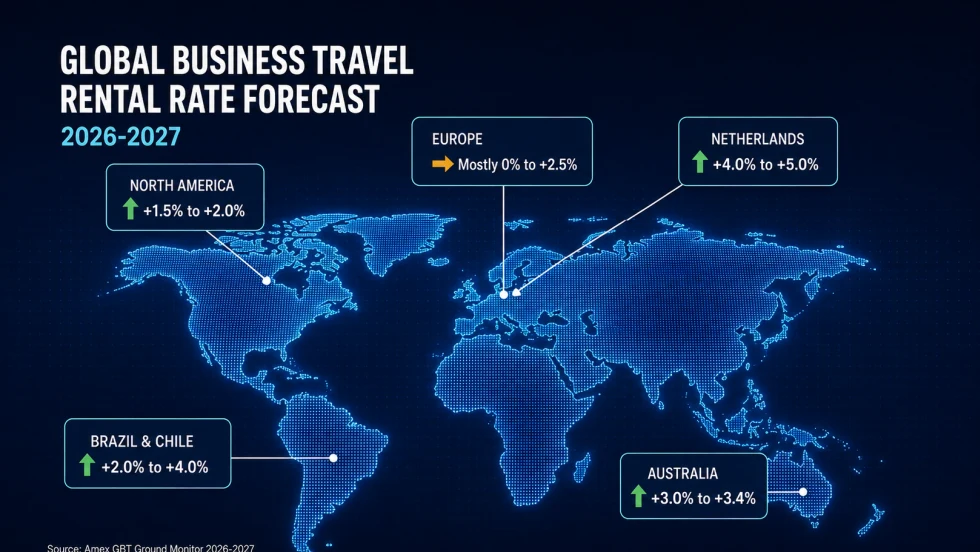
U.S. Business Travel Car Rental Rates Forecast to Rise Up to 2%
Improved fleet supply should limit pricing gains in 2026-27, while insurance, repair costs, and softer residual values continue to pressure rental operations, according to Amex GBT.
Read More →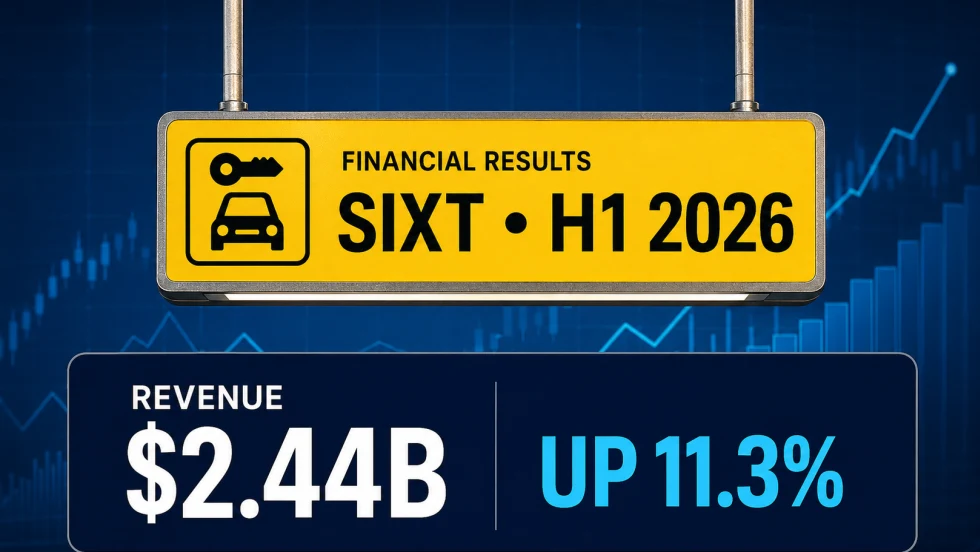
Sixt Revenue Tops $2.4 Billion in First Half of 2026
Sixt’s first-half revenue surpassed $2.4 billion for the first time as demand outpaced fleet growth, lifting utilization and earnings despite weaker consumer sentiment in North America.
Read More →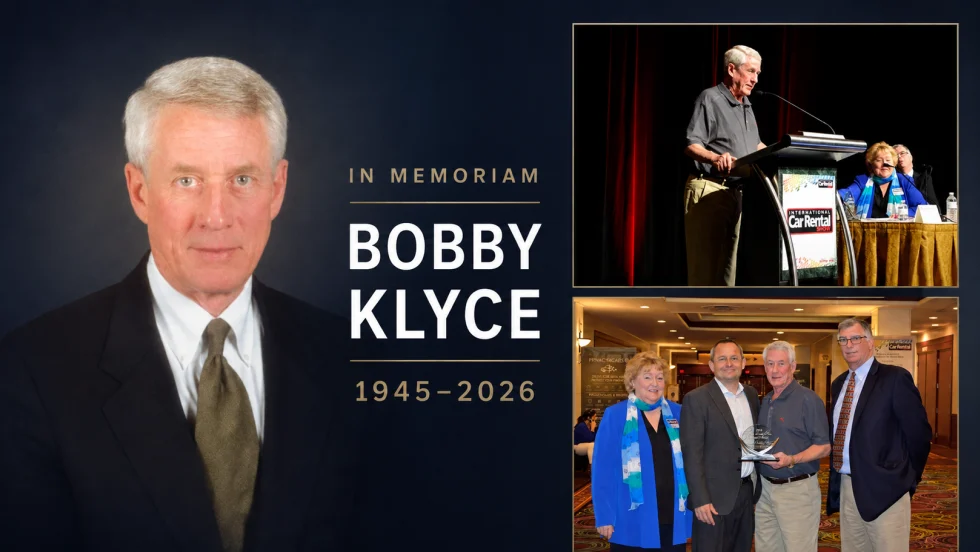
In Memoriam: Bobby Klyce, Avis Licensee Legend
The longtime Birmingham Avis operator and 2018 Auto Rental News Impact Award recipient was remembered as an advocate for independent licensees and the broader car rental industry.
Read More →
How to Build Custom Fleet Tools With AI and Vibe Coding [Webinar]
A new Automotive Fleet webinar explores how fleet managers are using AI and vibe coding to automate routine work and create simple operational tools without traditional programming skills.
Read More →