



Making the Most of Opportunities in Car Rentals, Mobility, and Loyalty
By meeting customers’ needs for connected mobility, brands can increase engagement and customer lifetime value simply by providing a relevant and welcoming option to their customers.

The car rental industry, which already accounts for around 18% of all vehicles on U.S. roads, is undergoing a major transformation — evolving from its traditional role in leisure and business travel to becoming a key part of urban mobility infrastructure.
Photo: Turmisu / Pixabay
Whether you call it transportation, mobility, conveyance, or transit, getting from one place to another has many names — and is essential to everyday life.
In the U.S., consumers are inundated with transportation choices. While the privately owned car remains Americans’ favorite mode, they often need alternative options.
That need, whether for travel or the desire for everyday convenience, creates an opportunity for consumer-facing brands. By meeting customers’ occasional (or sometimes quite frequent) needs for connected mobility, brands can increase engagement and customer lifetime value simply by providing a relevant and welcoming option to their customers.
Seizing this opportunity begins with car rentals, as 81% of Americans are likely or very likely to rent a car in the next 12 months, according to CarTrawler’s 2024 Driving Loyalty: Market Insights on Car Rentals & Reward Programs report – and 66% rent a car twice a year on average.
The Resiliency (and Robustness) of the Rental Car Market
The car rental industry, which already accounts for around 18% of all vehicles on U.S. roads, is undergoing a major transformation — evolving from its traditional role in leisure and business travel to becoming a key part of urban mobility infrastructure. This shift responds to changing transportation patterns and emerging mobility gaps in both urban and suburban environments.
Market research from McKinsey indicates that the global car rental market, valued at about $92.92 billion in 2024, increasingly serves non-traditional use cases. A sizable percentage of car rental transactions now support local mobility needs rather than travel-related requirements. This trend aligns with broader shifts in consumer behavior, where flexibility and access are prioritized over ownership.
The emergence of digitally enabled rental solutions has accelerated this market. The CarTrawler report found that 24% of car rentals are for everyday use—such as moving or visiting family. This represents a departure from historical patterns when rentals were primarily tied to leisure travel and the potential for year-round engagement through car rentals.
Car rentals are also key in mobility solutions, especially with public transit and ride-sharing services. Research from Deloitte’s annual automotive study finds that 37% of U.S. consumers are interested in using mobility services instead of owning a vehicle, and 56% of Gen Z and Millennial consumers have used some form of shared mobility service in the past year.
For these often urban-dwelling consumers, car rentals are an essential component of their regular transportation mix, and they use rentals for specific use cases where other mobility options prove insufficient or impractical.
The transformation extends beyond consumer behavior to impact urban planning and mobility infrastructure. Municipal transportation authorities increasingly see car rental services as crucial in filling mobility gaps, especially in areas with limited public transit or during off-peak hours when traditional services are less available.
Car Rentals as Loyalty Drivers
Transportation organizations and travel brands aren’t the only entities acknowledging the value of car rentals. The resilience of the car rental market and widespread adoption among U.S. consumers continue to drive the integration of car rental offerings into loyalty program portfolios. This integration reflects a strategic understanding of how car rentals enhance loyalty arrangements by catering to changing consumer preferences for mobility flexibility, operational convenience, and seamless travel experiences.
For non-travel loyalty programs — spanning retail, financial services, and lifestyle sectors —car rentals present a compelling opportunity to expand their value proposition and enhance member engagement through practical, everyday rewards.
Market research reinforces the robust demand for car rental services among loyalty program participants. 45% of Americans express interest in accessing car rentals through their loyalty programs, with notably higher engagement (56%) among the 25-39 demographic, according to the Driving Loyalty report. This translates to about 27 million loyalty program members representing potential car rental customers. The retention metrics are especially noteworthy: among members who used their loyalty program for car rentals in the previous 12 months, 88% indicated they would repeat this behavior. A further 64% of survey respondents said that point redemption opportunities for car rentals would influence their booking decisions through loyalty programs.
The symbiotic relationship between car rental integration and loyalty programs proves mutually beneficial: enhanced member satisfaction and measurable business impact through increased engagement and revenue growth. This success has made car rentals a staple in travel-centric loyalty programs, such as airline frequent flier and hotel guest reward systems. Non-travel brands are following suit, recognizing the strategic advantages of incorporating car rentals into their reward frameworks.
Cross-Industry Mobility Partnerships
Cross-industry collaborations are becoming more common as organizations across sectors recognize the value of integrated mobility solutions. These partnerships transcend traditional industry boundaries, combining the core competencies of travel providers, technology platforms, and non-travel brands to create multiple mobility options. They also tap into much demand. The shared mobility market is expected to grow by 20% annually through 2030, according to McKinsey.
Both transportation companies and non-travel brands (as well as governmental transit agencies, as mentioned) are pursuing cross-industry partnerships, mainly focused on improving accessibility and convenience through digital integration. These collaborations often connect traditional mobility providers with technology platforms, retail networks, and financial services organizations to expand their service offerings and reach.
The financial effect of mobility partnerships is reflected in increased engagement with a company’s core services, strengthened customer relationships, and increased product adoption. Similarly, retail loyalty programs incorporating transportation solutions can expect enhanced customer retention and increased overall spending patterns.
These partnerships see success in urban markets, where integrated mobility fill critical transportation gaps. Another McKinsey survey found that 40% of respondents now use multiple mobility modes. Almost one-third plan to increase their use of micro-mobility, such as e-bikes, and nearly half plan to replace their private vehicles with other modes of transport.
Driving Traditional Travel Rewards Forward
As more brands align with car rental suppliers and technology providers to offer their customers a wider range of mobility solutions, the next opportunity for variety and participation will emerge from how well they provide their car rental services. This will hinge on the adoption of modern retailing approaches. If car rentals are well-incorporated into loyalty programs, for example, they should be leveraged to create more connected travel and transportation experiences for their members. The impact of more advanced retailing techniques, including bundled offers and dynamic pricing, will yield much greater customer lifetime value.
Achieving this outcome will require brands to adapt to shifts in consumer behavior. It also demands that businesses critically evaluate their offerings and partnerships to remain relevant. As car rentals become an even more critical part of mobility, businesses prioritizing customer needs, innovation, and strategic partnerships will be best positioned for future success.
More Rental Operations
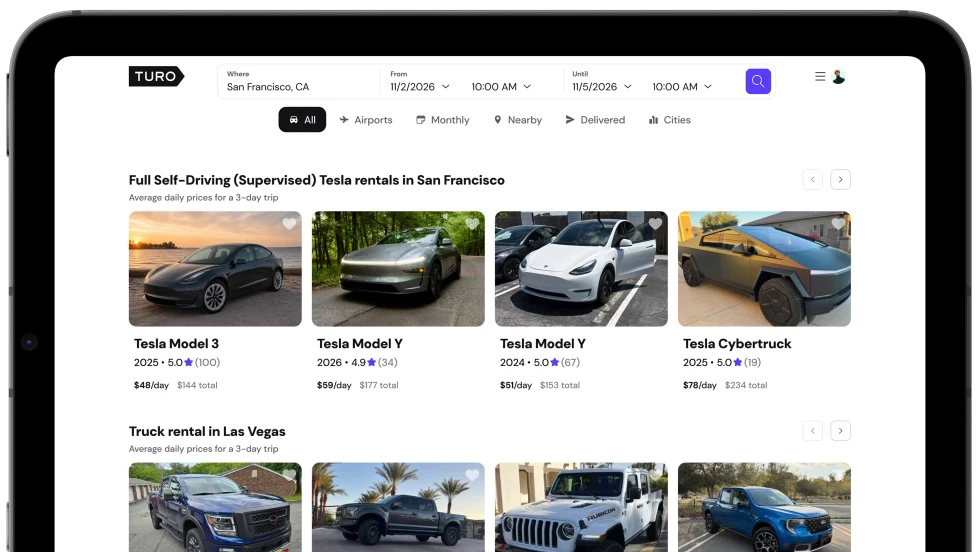
Turo and Tesla Take the Next Step Toward Autonomous Car Rentals
The partnership brings Tesla's Full Self-Driving (Supervised) technology into the rental experience, offering a glimpse of how increasingly automated vehicles could change car rental.
Read More →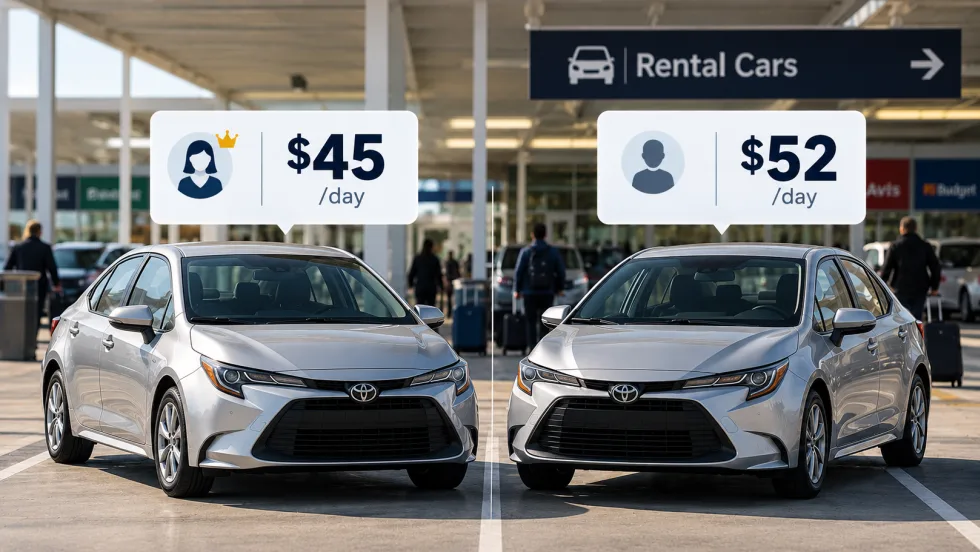
How Rental Operators Can Navigate Personalized Pricing Rules
As regulators scrutinize the use of customer data in pricing, rental operators need to know whether they can explain why one renter pays more than another.
Read More →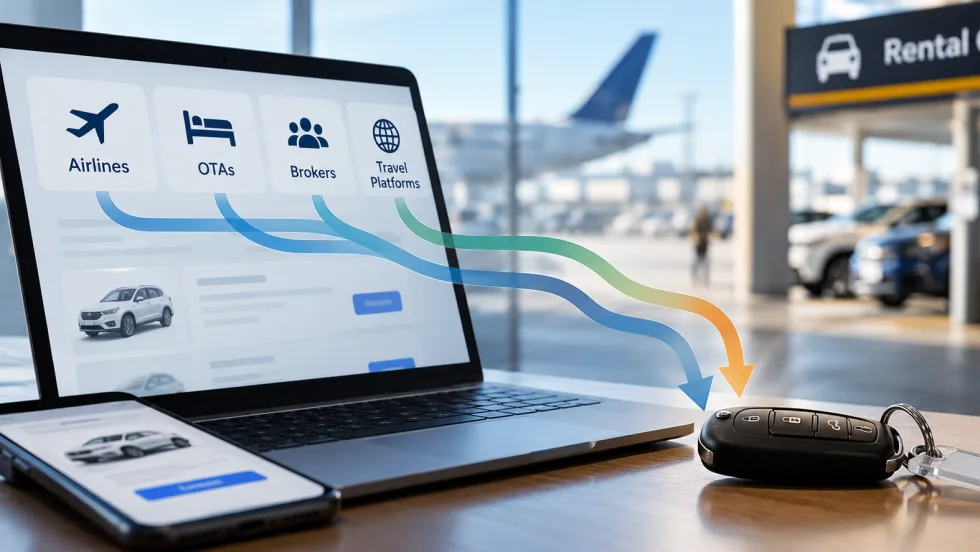
Direct, Broker or Hybrid? How Travel Retailers Source Rental Cars
As travel retailers weigh direct supplier relationships against third-party distribution, rental operators need to understand how those decisions affect their business.
Read More →
How Did This Independent Rental Operator Grow to 170 Vehicles in 4 Years?
With 170 vehicles across three Kentucky locations, Joel Price relies on an overseas team to handle reservations, payments, and after-hours customer service. It's one part of an unconventional approach to growing an independent rental operation.
Read More →
What Does It Take to Succeed in B2B Rentals?
The fundamentals may be familiar to daily car rental operators, but project-based truck rentals put different demands on the fleet and the business.
Read More →
NPR Builds on International Partnerships to Grow Rental Bookings
With Ana Laborde supporting broker development, NPR Auto Group is tailoring distribution strategies, rate packages, and partnerships to grow international reservations across its three brands.
Read More →
Advantage, Sixt Place Among Top Five in Annual Satisfaction Study
While Enterprise and National retain the top spots in JD Power’s 2026 rankings, the latest customer satisfaction results suggest renters can find competitive service beyond the biggest car rental names.
Read More →
The $100,000 Insurance Trap in Exotic Car Rentals
Exotic rental agencies often rely on customers’ personal auto policies to protect six-figure vehicles. But policy language can dramatically change the coverage for vehicles over $100,000 MSRP.
Read More →
The Booking Is Confirmed, But Is Your Customer Ready to Drive?
For international renters, a confirmed reservation doesn’t always mean they’re eligible to drive. Earlier checks can help operators catch documentation and payment issues before the customer reaches the counter.
Read More →
ICRS 2027 Opens Call for Papers
The International Car Rental Show seeks session proposals on the business, operational, and technology issues facing car rental operators. Submissions are due Jan. 15.
Read More →