




Market Innovator, Destroyer, or Savior: Is Turo All Three?
A local market franchisee chronicles the growing pains of the peer-to-peer rental concept through supplying the Turo platform with his rental cars and consulting for Turo hosts.

It’s safe to assume that Turo has become the standard bearer for peer-to-peer sharing applications within the rental industry. There are others, but as of yet, no one has captivated the attention, good and bad, of both the industry they are disrupting and the “side gig” hosts who are currently making up the vast majority of the vehicles on the platform.
Photo by Vince Taroq.
First in a two-part series.
I’ve spent the last four years transitioning my professional life from car rental franchise owner to consultant. I currently have a group of around 50 clients who run the gambit from “dabbling” to full-time gigs supplying Turo’s platform.
I believe it was the fall of 2013 when I first heard about Turo.
While doing my daily morning rate shops on various sites, a simple keystroke error had me Googling “Kayak” as opposed to visiting the saved weblink I usually visited. Oddly enough, the second result just below Kayak was something called RelayRides (Turo’s former moniker). The short blurb included words such as “different,” “discount,” and “fun.” My rate shopping took a back seat to my curiosity and I wandered into my immediate future.
Feet First
We rented our first vehicle on RelayRides about two weeks later. After a quick consult with my rental manager, we decided to offer free delivery, unlimited miles, and a great rate. Within four days and 10 rentals we were reeling from the poor planning and overwhelming responsibilities associated with managing cars outside of our normal scope of business. We had forgotten to pick up two cars and delivered another to a guest who never even bothered to show up for the rental.
After gathering our precious fleet back to the lot, I threw in the towel — we had no idea what we were doing, and it was almost a very expensive experiment.
A short time later, I received a note that I had missed a call from a RelayRides employee. Thinking that we had completely wrecked our foray into “new” and fully expecting the RelayRides gestapo to chastise me out of business, I reluctantly called the number back. The voice at the other end was excited, intelligent, positive, enthusiastic, and young. All of these traits I now associate with any voice on the other end of a phone call regarding my interest in their “groundbreaking” sharing application, but at the time, it was like an aphrodisiac for my wallet.
I don’t remember much of the conversation, except that he was polite, and he was offering me cash to list my cars on the new RelayRides app. He had no idea that we had previously done a few rentals and immediately fell on our face, and I certainly wasn’t about to tell him about it. He was promising $100 per car, per month just to list them on the site and we were to earn this money if the vehicles rented or not.
After mulling this over for roughly seven seconds, I agreed and promptly listed 20 cars. Sadly, I had missed the part where he promised to only pay for up to 10. Didn’t matter though, we were going to make this work.
Pencil to Paper
I sat down with my management team and put pencil to paper. We thought through every foreseeable issue that might arise and make wholesale changes to the previous strategy. No more deliveries, no more unlimited miles and no more forgotten cars left in random locations throughout the city. We created a solid set of rules. We diagrammed the entire chain of events, from listing the cars to keeping track of sales tax and communication with the guest.
Our focus on policy and procedure we thought were unmatched. When the first car went on the road we were all smiles and high-fives, until we realized that no one remembered to actually take any photos of the car. No damage photos, no odometer and gas gauge photos; no one checked the guest’s license. Aside from the info in the app, we had nothing to prove that this person ever showed up.
Thankfully, everything worked out. Now with thousands of rentals under our belt, we are competently managing our sharing presence across multiple platforms. However, if you were to ask the businesses and private citizens involved outside the virtual offices of Turo and other sharing applications, you wouldn’t find much optimism.
For the purpose of this article, let’s just discuss these points as they relate to Turo, as opposed to the peer-to-peer rental space in general.
It’s safe to assume that Turo has become the standard bearer for peer-to-peer sharing applications within the rental industry. There are others, but as of yet, no one has captivated the attention, good and bad, of both the industry they are disrupting and the “side gig” hosts who are currently making up the vast majority of the vehicles on the platform. Also, let’s just call this entire equation what it is: “car rental.”
A Changing Arena
In 2013, we were pretty sure that something had changed within our arena. I was running two U-Save Car and Truck Rental franchise stores, one off-airport and one neighborhood location, in Colorado Springs, Colo.
At that point, we had been doing local cash rentals in the marketplace for nearly 25 years. While the risks were greater, we had a solid protocol which helped to minimize the risks and rewarded us with solid revenue from older units.
After we had been on Turo for about six months, we started to recognize a few of our regular counter customers were renting our cars through the Turo app. Why the app, and not our counter? They all said the same thing — it was convenient and available. The deposit requirements were a fraction of what we were asking for at the counter. Anyone could seemingly rent a vehicle after only providing a photo of their license and debit card information.
As time went on, our cash rentals went from 60% of our rentals to less than 30% and the drop in monthly revenue reflected this trend. We had effectively lost a full 25% of our revenue to a company without a local phone number or address. Coincidentally, Turo was taking 25% of all revenue generated on the app as commission.
We quickly realized that we were being forced to “buy” our customers back. Many management meetings later, we decided to dedicate a portion of the staff and the fleet solely to Turo rentals. Our numbers began to climb and the Turo rentals quickly became a significant part of our monthly equation. Shortly thereafter, the industry began to take note.
Sean Cox has been involved in the independent auto rental community since 1993. He is a U-Save Car and Truck Rental franchise owner and provides consulting for multiple sharing platforms. The opinions expressed in this article are solely his own.
In the second part of this article, Cox outlines keys to success as a Turo host, the evolving relationship between Turo and hosts, and his views on how peer-to-peer platforms will compete and coexist with incumbent car rental in the near future.
More Rental Operations
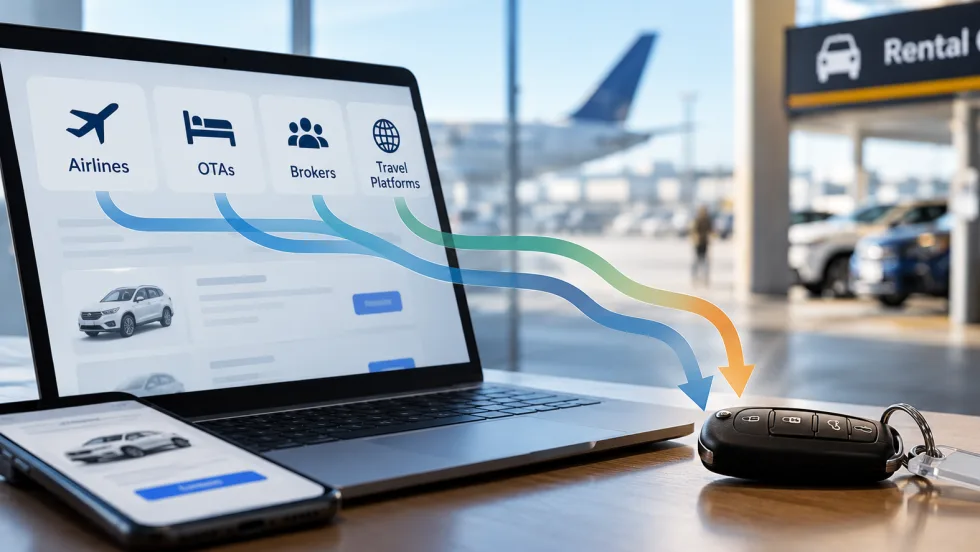
Direct, Broker or Hybrid? How Travel Retailers Source Rental Cars
As travel retailers weigh direct supplier relationships against third-party distribution, rental operators need to understand how those decisions affect their business.
Read More →
How Did This Independent Rental Operator Grow to 170 Vehicles in 4 Years?
With 170 vehicles across three Kentucky locations, Joel Price relies on an overseas team to handle reservations, payments, and after-hours customer service. It's one part of an unconventional approach to growing an independent rental operation.
Read More →
What Does It Take to Succeed in B2B Rentals?
The fundamentals may be familiar to daily car rental operators, but project-based truck rentals put different demands on the fleet and the business.
Read More →
NPR Builds on International Partnerships to Grow Rental Bookings
With Ana Laborde supporting broker development, NPR Auto Group is tailoring distribution strategies, rate packages, and partnerships to grow international reservations across its three brands.
Read More →
Advantage, Sixt Place Among Top Five in Annual Satisfaction Study
While Enterprise and National retain the top spots in JD Power’s 2026 rankings, the latest customer satisfaction results suggest renters can find competitive service beyond the biggest car rental names.
Read More →
The $100,000 Insurance Trap in Exotic Car Rentals
Exotic rental agencies often rely on customers’ personal auto policies to protect six-figure vehicles. But policy language can dramatically change the coverage for vehicles over $100,000 MSRP.
Read More →
The Booking Is Confirmed, But Is Your Customer Ready to Drive?
For international renters, a confirmed reservation doesn’t always mean they’re eligible to drive. Earlier checks can help operators catch documentation and payment issues before the customer reaches the counter.
Read More →
ICRS 2027 Opens Call for Papers
The International Car Rental Show seeks session proposals on the business, operational, and technology issues facing car rental operators. Submissions are due Jan. 15.
Read More →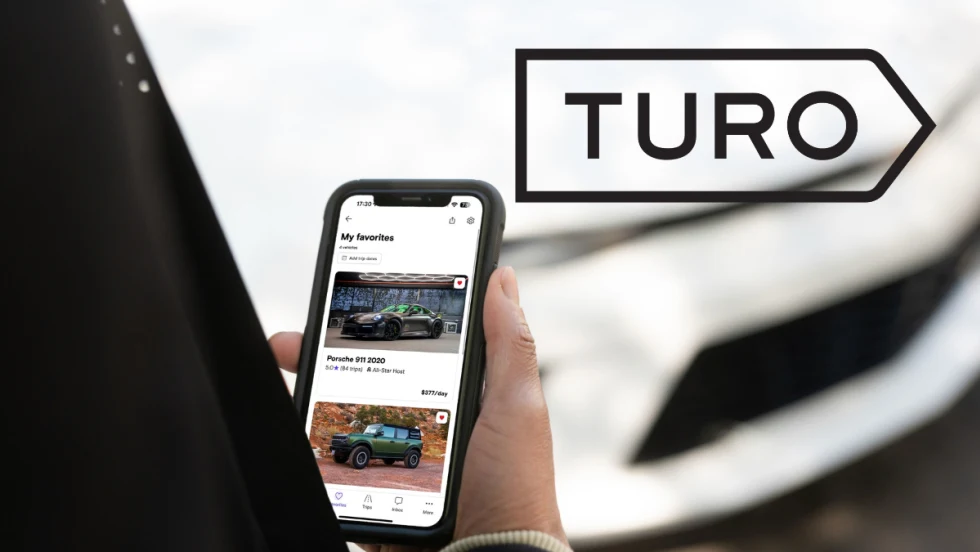
Turo to Launch Vehicle Delivery Service
Turo Delivered will let travelers search for vehicles that hosts can deliver directly to hotels, homes, airports, train stations, and other locations.
Read More →
Palm Beach Airport Code Change Creates Car Rental Distribution Gap
A test of rental searches under the old PBI and new DJT airport codes returned largely different sets of brands and vehicles, highlighting a potential distribution problem for rental operators.
Read More →