


About the Author
Teresa Quale is the executive director of Sonoran National Insurance Group. She can be reached at teresa.quale@sonorannational.com.
 MENU
MENU SEARCH
Rental operators should be aware of risks on premises and when employees are driving on the company's behalf. One simple tip could protect loss ratios and limit your risk.

Photo via iStockPhoto.com/MilesDavies
Separate from renters’ use of your vehicles, as a rental operator, you have two other distinct liability exposures to protect against: First, there is the risk of injury to your customers when they are on your premises, typically covered on a general liability policy.
Second, a potentially significant liability exists any time an employee is driving on your behalf, whether transporting customers in a shuttle bus or driving a fleet vehicle personally.

Photo via iStockPhoto.com/MilesDavies
The highest standard of care is owed to your rental customer (legally, “an invitee”). Not only do you need to maintain your walkways, parking lots, and front office space, you also need to regularly inspect your premises to ensure that all potential hazards have been identified and properly handled.
Problematic conditions that have created actual claims for rental locations include:
• Curbs where the identifying red or yellow paint is faded or gone.
• Landscaping that has overgrown and blocks an individual’s path or has buckled the pavement, creating a serious “trip & fall” hazard.
• Outdoor lighting that is so dirty and/or is no longer working that dark areas are created where the public must walk at night.
• The failure to treat ice outdoors or spills inside that are left unattended.
The courts will look to you as the business owner to reasonably maintain your entire location to ensure that the public is safe and protected from conditions that might result in an injury. Failure to do so could result in a customer sustaining a broken arm or fractured ankle and holding your company responsible to pay the medical bills and wages lost.
Employees drive on behalf of the company in various situations, from transporting customers in a shuttle bus to driving them in a rental vehicle.
Shuttle vans full of customers and suitcases are ripe with the opportunity to create injury incidents and claims against the rental operator. Although typically moving at slow speeds, these vans are constantly in high traffic areas, loaded down with luggage and full of passengers not wearing seat belts.
Extra care must be used when transporting your disabled and/or wheelchair customers. It is recommended that your shuttle operators undergo additional training in driving these types of vehicles — and in particular, the proper way to strap in a wheelchair.
Any time a vehicle from your fleet is being driven by an employee, who is not on a rental agreement, your liability increases and your higher “owner’s” limits (not just your state financial responsibility limits) are exposed. This may be unavoidable in certain limited “business need” circumstances; for example, if the vehicle is being taken for service or used to pick up an individual rental customer.
Many rental companies let employees use vehicles from their fleet as a perk or reward. This could be a good way to compensate a worthy employee, provided you always put the vehicle with that employee’s information on a rental agreement and charge a nominal daily cost. In this way, you will limit your company’s liability to a third party to your state’s financial liability limits.
Additionally, if you are located in a primary state (where the renter’s personal auto policy comes first) the claims will be submitted to that employee’s personal automobile insurance and not yours. This will protect your loss ratio with your rental fleet carrier and limit your risk. If you do not choose to protect your company in this manner, be aware of the larger liability created by your actions.
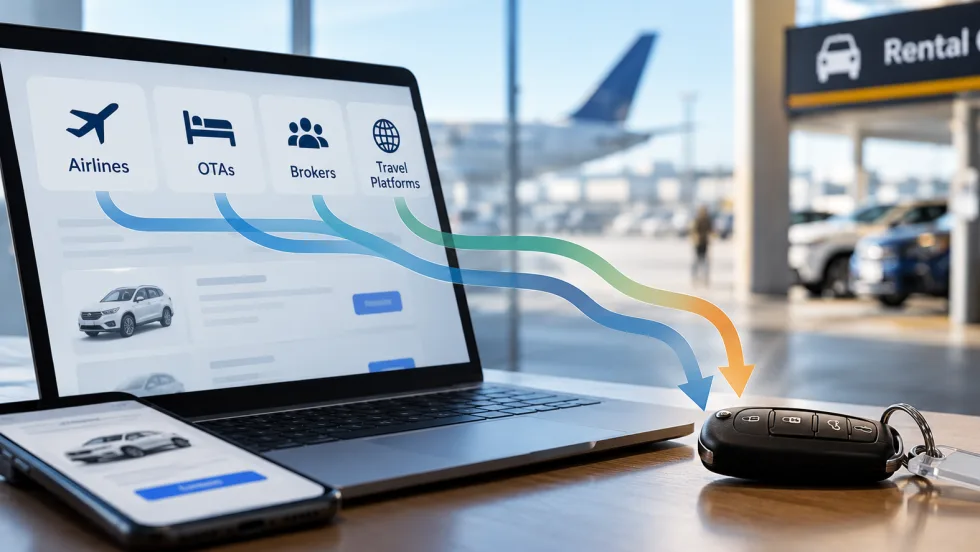
As travel retailers weigh direct supplier relationships against third-party distribution, rental operators need to understand how those decisions affect their business.
Read More →
With 170 vehicles across three Kentucky locations, Joel Price relies on an overseas team to handle reservations, payments, and after-hours customer service. It's one part of an unconventional approach to growing an independent rental operation.
Read More →
The fundamentals may be familiar to daily car rental operators, but project-based truck rentals put different demands on the fleet and the business.
Read More →
With Ana Laborde supporting broker development, NPR Auto Group is tailoring distribution strategies, rate packages, and partnerships to grow international reservations across its three brands.
Read More →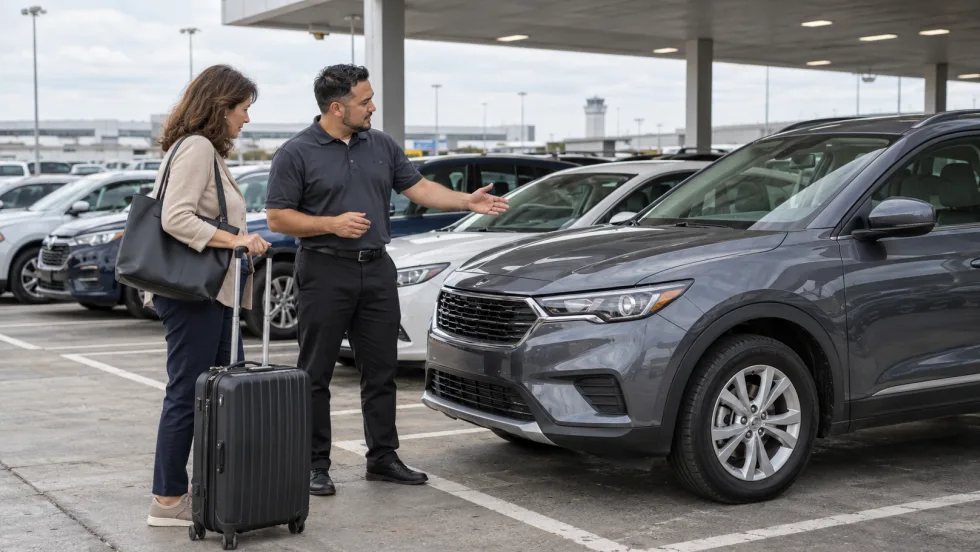
While Enterprise and National retain the top spots in JD Power’s 2026 rankings, the latest customer satisfaction results suggest renters can find competitive service beyond the biggest car rental names.
Read More →
Exotic rental agencies often rely on customers’ personal auto policies to protect six-figure vehicles. But policy language can dramatically change the coverage for vehicles over $100,000 MSRP.
Read More →
For international renters, a confirmed reservation doesn’t always mean they’re eligible to drive. Earlier checks can help operators catch documentation and payment issues before the customer reaches the counter.
Read More →
The International Car Rental Show seeks session proposals on the business, operational, and technology issues facing car rental operators. Submissions are due Jan. 15.
Read More →
Turo Delivered will let travelers search for vehicles that hosts can deliver directly to hotels, homes, airports, train stations, and other locations.
Read More →
A test of rental searches under the old PBI and new DJT airport codes returned largely different sets of brands and vehicles, highlighting a potential distribution problem for rental operators.
Read More →