


How Rental Operators Can Navigate Personalized Pricing Rules
Planning Rental-Fleet Transfers When Receiving Locations Have Limited Space
Even a well-timed vehicle delivery can disrupt rental operations when space is limited. Here's how operators can plan fleet transfers around a branch's actual receiving capacity.
by Jay Mays
November 17, 2026
A vehicle transporter may arrive on schedule, but limited space at the receiving branch can complicate unloading. Coordinating deliveries with a location’s actual capacity helps prevent operational disruptions.
Credit:
Auto Rental News | Edited with OpenAI.
6 min to read
- Operators should align vehicle deliveries with the actual capacity of receiving locations to avoid operational disruptions.
- Effective planning and coordination are crucial for managing fleet transfers in areas with limited space.
- Understanding a branch's capacity limitations helps optimize rental-fleet logistics and ensure smooth operations.
*Summarized by AI
Moving vehicles between rental locations is a routine part of fleet management, whether to meet changing demand, rebalance inventory, or prepare for seasonal shifts. But getting vehicles from one branch to another is only part of the process. At locations with limited parking and staff, receiving a shipment can create operational challenges that require as much planning as the transport itself.
Here's how rental operators can coordinate delivery schedules, available space, and staffing to ensure incoming vehicles can be received and processed without disrupting branch operations.
Plan for Limited Space
A rental-fleet transfer can arrive on time and still disrupt a branch. The transporter reaches the entrance, but returning customers occupy the available spaces, the employee assigned to receive the vehicles is at the counter, and there is nowhere suitable to unload. The vehicles have reached their destination without a workable path into the rental operation.
For locations with limited space, plan the transfer around what the receiving team can accept and process during a specific window. Confirm parking capacity, unloading access, and staffing together before releasing vehicles.
A delivery appointment is useful only when all three are available.
Confirm Usable Capacity Before Dispatch
Ask the receiving manager how many additional vehicles the location can accommodate during the proposed arrival window. A lot’s total parking count is not the same as its receiving capacity. Customer returns, vehicles awaiting cleaning, maintenance holds, and customer parking may compete for the same space.
Count usable spaces conservatively. Do not treat expected rental departures as guaranteed openings, and preserve room for customers, pedestrians, and vehicles moving through the property. Identify where incoming units will go after unloading, including those that cannot immediately enter the rental-ready inventory.
For example, a branch expecting twelve vehicles may have only four usable receiving spaces in the morning. Three four-vehicle deliveries could work, but only if each group can be processed and moved before the next arrives. If those spaces will remain occupied all day, smaller batches alone will not solve the problem. Reduce the quantity, change the date, or arrange an approved staging location.
Build One Manifest That Both Locations Can Use
Give the origin, transporter, and receiving team the same current unit manifest. Include each vehicle’s VIN or fleet unit number, destination branch, operating condition, and delivery priority. Flag missing keys, non-running vehicles, or other conditions that could change loading and unloading arrangements before assigning equipment.
Connect priority to the branch’s needs. Vehicles required for upcoming reservations may deserve the earliest feasible delivery, while units awaiting maintenance may need a different destination or receiving process. Discuss the requested sequence with the transporter; trailer configuration and safe loading requirements may limit which vehicles can be unloaded first.
Assign one person to maintain the manifest. When a unit is substituted or removed, circulate the revised version and obtain acknowledgment from the affected teams. An outdated spreadsheet can leave the branch preparing for vehicles that are no longer on the shipment.
Size Delivery Batches Around the Receiving Process
Set arrival windows using the time needed to unload, inspect, record, and park the vehicles. Include enough separation for the branch to handle normal customer activity. Two trucks given the same broad morning window may arrive together even when each shipment would be manageable on its own.
Match each batch to the space and staff available at that time. A window outside the busiest customer-return period may help, provided an authorized receiver is present. Avoid scheduling a delivery immediately before closing unless the location has agreed to the full handoff and a delay contingency.
Discuss the cost and feasibility of staged arrivals before booking. Multiple trips, holding time, or off-site staging can change the transport arrangement. Do not assume a driver can wait nearby indefinitely. Agree on any waiting or rescheduling terms in advance and identify who can approve changes.
Verify Access Separately From Parking Space
A branch may have enough empty spaces for incoming cars but insufficient room for a loaded transporter. Review the actual approach route, entrance width, gate access, turning room, overhead clearance, and unloading area with the transport provider. Current photographs or a site sketch can help explain constraints that a street address does not reveal.
Keep unloading activity clear of customer traffic and pedestrian routes. Do not assume a public street, neighboring business, or shopping-center lot is available for unloading. If you need an alternate site, obtain permission, confirm suitability with the provider, and decide how the vehicles will reach the branch afterward.
Assign responsibility for that final movement, including authorized drivers, keys, and condition records. Confirm applicable insurance arrangements with the responsible parties before using an alternate location. An improvised overflow area can create a second transfer that nobody planned to manage.
Make the Handoff Consistent
Name a primary receiving contact and a backup, and give the transporter direct contact details. Confirm who has authority to accept delivery, document exceptions, and approve changes to the unloading location. The person answering the branch phone may not have that authority.
At delivery, match each unit to the manifest. Record mileage, account for keys, and compare the vehicle's visible condition with the pickup documentation. Note discrepancies on the delivery record and take clear photographs where appropriate. If lighting or weather limits inspection, record that limitation and follow the agreed exception process.
Keep transport receipt separate from rental readiness. A vehicle may be delivered successfully but still require cleaning, fueling or charging, maintenance review, or system updates before assignment to a customer. Give the next responsible employee a clear handoff so incoming units do not disappear into an untracked row of parked cars.
Agree on What Happens When the Plan Changes
Establish when the transporter should provide an updated arrival estimate and when the branch must reconfirm readiness. Use a final check before dispatch and another at an agreed point before arrival. The right notice interval depends on the trip and the location’s ability to respond.
Define what triggers a new plan: a full lot, absent receiving staff, blocked access, or an arrival outside the agreed window. Name the person who decides whether to hold the shipment at origin, revise the appointment, or use the approved alternate site. Share that decision with everyone affected rather than relying on separate calls that may produce conflicting instructions.
After delivery, review any waiting time, manifest errors, or receiving bottlenecks. Adjust the next transfer’s batch size or appointment window using what the branch actually handled.
A Final Check Before Releasing the Vehicles
Before dispatch, the origin and destination should be able to confirm:
- The exact units and their delivery priorities are agreed.
- Usable parking space and receiving staff are available for the arrival window.
- The transporter’s access and unloading location have been reviewed.
- A primary receiver and backup have the latest manifest.
- Condition, mileage, keys, and exceptions have a defined recording process.
- A decision-maker and approved contingency are identified if the lot cannot receive the shipment.
For a constrained location, a successful transfer ends when each vehicle has an assigned place and a clear next step toward rental readiness. Planning those steps before dispatch gives the branch a delivery it can absorb.
Quick Answers
Considering receiving capacity is crucial because even a well-timed delivery can disrupt operations if there isn't enough space to accommodate the incoming vehicles, leading to inefficiencies and potential service disruptions.
*Summarized by AI
Subscribe to Our Newsletter
More Articles

Hertz, Avis: Parsing the Q3 Headwinds and Tailwinds
Third-quarter results from Hertz and Avis show resilient pricing despite softer travel demand. Meanwhile, higher operating costs, recalls, uneven vehicle depreciation, and international weakness continue to put pressure on profits.
Read More →
NYC Idling Tickets: How Rental Companies Can Face $2,000 Fines
A customer rents a diesel truck, idles it for three minutes while operating it, then returns it. Months later, the rental company gets a ticket that could cost up to $2,000. Edge Auto Rental's William Harris explains how New York City's idling enforcement creates headaches for rental operators.
Read More →
What Can Daily Rental Operators Learn from Luxury Concierge Pickup and Delivery?
A seamless rental experience begins before the customer gets the keys. Luxury concierge practices offer lessons that work just as well for everyday rentals.
Read More →
How Better Cleaning Processes Improve Rental Fleet Efficiency
A consistent approach to vehicle cleaning helps rental operators reduce turnaround delays and return vehicles to service without compromising cleanliness.
Read More →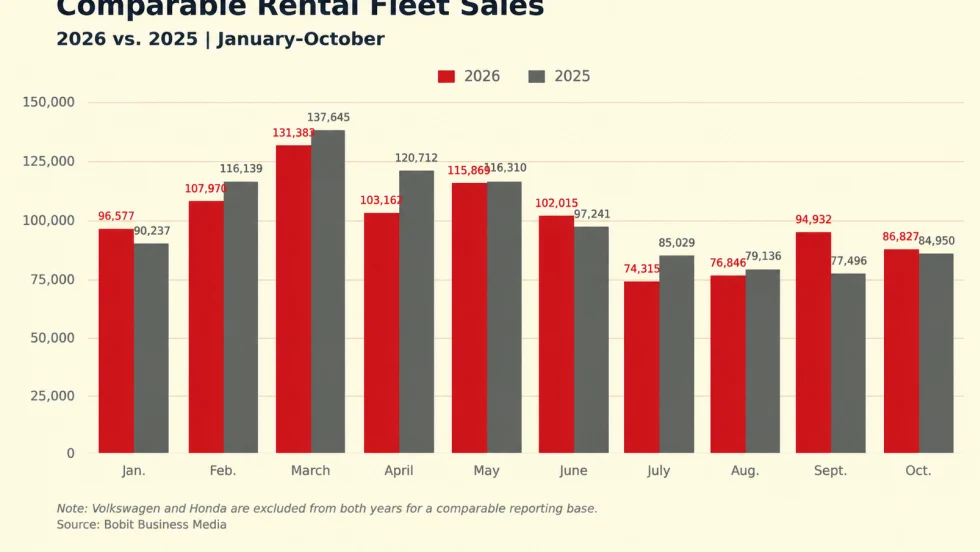
Rental Fleet Sales Turn Positive Through October 2026
October rental fleet sales rose 2.2% year over year, bringing year-to-date volume slightly ahead of 2025 for the first time since early in the year.
Read More →
Clean on Paper: Red Flags in Exotic Car Rental Verification
A suspicious $45,000 Lamborghini booking reveals the strengths and limitations of renter verification, from forged insurance documents to coverage gaps and unauthorized drivers. (Part 2 of 3)
Read More →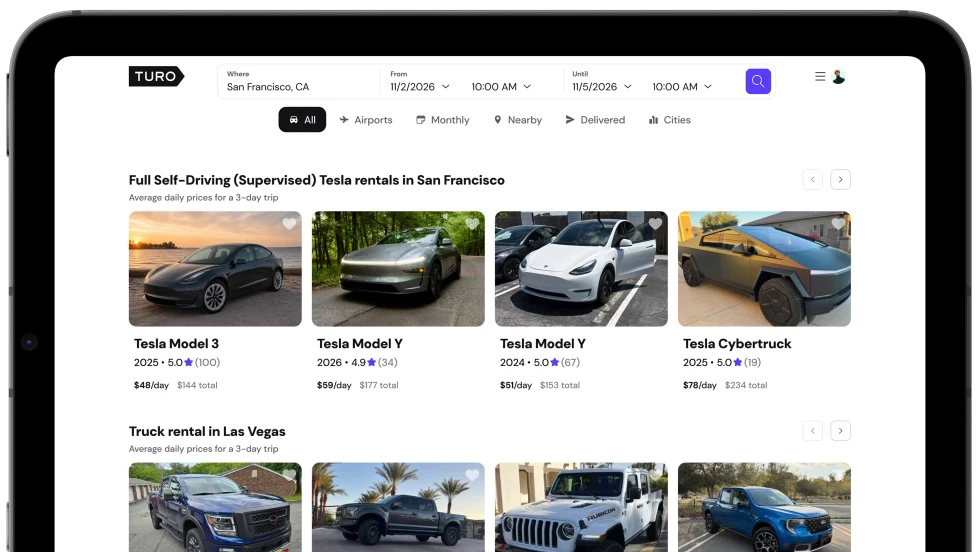
Turo and Tesla Take the Next Step Toward Autonomous Car Rentals
The partnership brings Tesla's Full Self-Driving (Supervised) technology into the rental experience, offering a glimpse of how increasingly automated vehicles could change car rental.
Read More →
How Rental Operators Can Navigate Personalized Pricing Rules
As regulators scrutinize the use of customer data in pricing, rental operators need to know whether they can explain why one renter pays more than another.
Read More →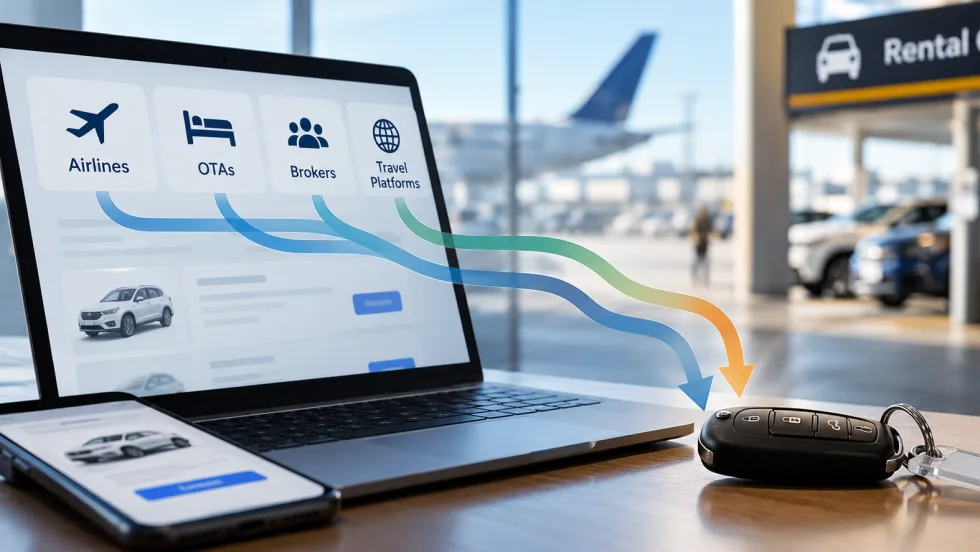
Direct, Broker or Hybrid? How Travel Retailers Source Rental Cars
As travel retailers weigh direct supplier relationships against third-party distribution, rental operators need to understand how those decisions affect their business.
Read More →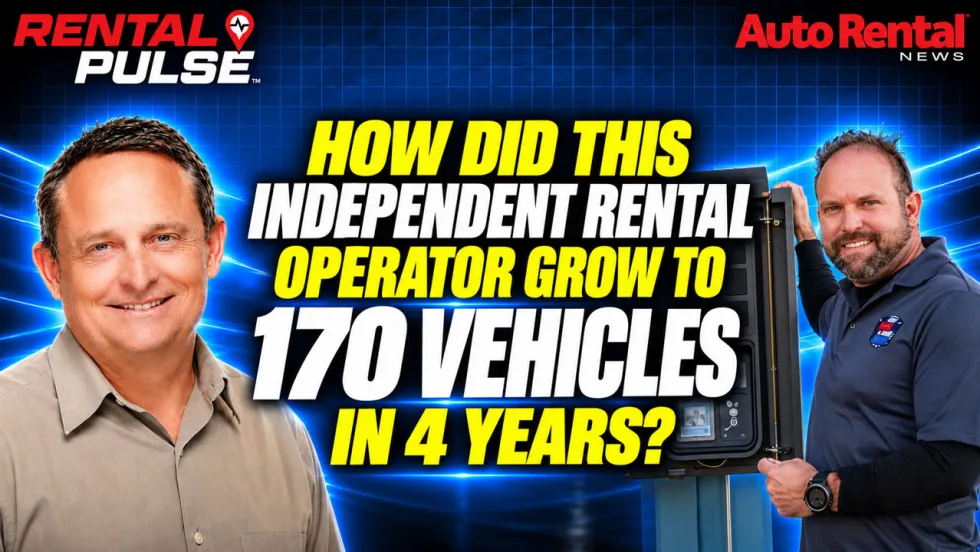
How Did This Independent Rental Operator Grow to 170 Vehicles in 4 Years?
With 170 vehicles across three Kentucky locations, Joel Price relies on an overseas team to handle reservations, payments, and after-hours customer service. It's one part of an unconventional approach to growing an independent rental operation.
Read More →