


Questions to Ask Before Buying a Franchise
Considering a franchise investment? Franchise Business Review shares insight on what to look for in a brand, typical costs associated with franchising, and questions to ask before signing the franchise agreement.

Photo via iStockPhoto.com/James Brey
Photo via iStockPhoto.com/James Brey
When looking at a franchise investment, it’s important to do your research beforehand. Research can consist of talking to current franchisees, asking questions to the franchisor, looking at finance options, and sitting down with a franchise attorney to go over the franchise agreement forms.
“I think franchising is a great opportunity, but you have to go in with your eyes wide open and understand everything it entails,” said Eric Stites, CEO of Franchise Business Review (FBR), a market research firm that specializes in franchisee satisfaction and shares its findings for free at FranchiseBusinessReview.com. “Most people don’t want to do the due diligence correctly so they end up signing a franchise agreement without really researching the company.”
Auto Rental News asked Stites to answer some of the top questions to ask before joining a franchise system.
ARN: If you want to be your own boss, should you buy a franchise or start a business from scratch?
FBR: Certainly there are advantages to franchising in many industries, particularly the car rental market. Car rental is an area that’s hard to compete in without an established brand name.
There are certain industries where brand is the reason that people get into franchising. In the automotive area, a recognizable brand will give you more of a chance to compete.
People who are investing in franchises are looking for the franchisor’s marketing programs, the reservation system, and partnerships that a franchise might have. The franchise may have travel industry partnerships with online travel agencies (OTAs) like Expedia and Travelocity that help bring more reservations. These partnerships can make it impossible for mom-and-pop brands to compete with larger franchises.
If you plug into an existing brand, your business is up and running immediately. But owning a franchise means the reservations will cost you some money and there will be some type of royalty fees.
As an operator of a non-franchise brand, you can run things your own way without having to report to a parent company. The decision process is a lot faster with non-franchising companies; a non-franchise company can make a decision at all of its locations overnight.
It’s a harder and slower decision process within a franchise system. Before implementing a new rule, a franchisor needs to involve franchisees in the process. That means making the presentation and listening to feedback from franchisees.
ARN: How should a potential franchisee look at costs to join a brand?
FBR: When considering a franchise investment, it’s important to look at all the fees you would pay as a franchisee. This includes royalty fees, marketing fees, reservation fees, and technology fees.
Then look at the overall opportunity potential. One franchise might have higher fees but a more established brand name. As a franchisee, you might pay more in fees, but you could make more money than someone who franchises with a lesser known brand with lower fees.
Before you sign up as a franchisee, you want to clearly understand all the fee components when it comes to a franchisor’s technology, marketing, etc.
ARN: What are the important elements of a good franchise brand?
FBR: If you are looking to get into a car rental franchise, talk to existing franchisees who are in that business today.
Find out what’s really going on at a franchise. Are franchisees getting support and training from the franchisor? Is the technology really as good as the company says it is? Is it a fair deal?
When it comes to franchise satisfaction, a consistent component — across all industries — really boils down to trust. Is the franchisor operating in an ethical and honest way? Do the franchisees respect the franchisor? Do the franchisees trust the franchisor to make the right decisions down the road?
Franchise companies get in trouble when they say one thing but the reality is much different. By talking to current franchisees, you can find out if the franchisor listens to its franchisees’ opinions and whether the locations are profitable at the franchisee level. Recent former franchisees are listed on the franchise disclosure document (FDD); it’s a good idea to contact them as well.
At the end of the day, a franchise is more successful when its franchisees are happy and trust the franchisor. When a franchisee is successful and enjoys the relationship with its franchisor, it trickles down to its employees and the service they provide, leading to a better experience for the customer.
I always tell prospective franchisees that just because a brand is a household name it doesn’t mean it’s a profitable opportunity for you.
ARN: What types of issues can occur between corporate and franchise locations?
FBR: Issues between corporate and franchise locations can happen across many industries, especially with larger brands that have multiple corporate and franchise offices. Often, franchisees are getting second best to corporate locations. The franchisor could make decisions based on corporate locations in the “A” markets that may not fly in a franchisee’s “B” market.
The bigger a franchisor’s system gets, the more the company tends to make broad sweeping decisions in the name of protecting the brand.
Oftentimes, a franchisor is looking from the corporate standpoint and focusing on driving topline revenue, which is not necessarily profitable for the franchisees.
Photo via iStockPhoto.com/Jack Aldu
ARN: As a potential franchisee, can you ask the corporate parent about profit margins?
FBR: You can ask. Franchise companies are regulated by the Federal Trade Commission (FTC). Whatever a company says about its profit margins must be consistent with the data it provides.
In some franchise industries, franchisors don’t get involved in the financials of their franchisees.
That’s typically not the case in the car rental industry. Since the reservation system is owned by corporate, the franchisor knows every transaction that goes through the system.
How franchisors collect data and how they decide to share information with prospective franchisees is up to the company. Every franchise creates an FDD. If the company is sharing information about unit level profitability, it will be in its FDD.
ARN: What should you look for in an FDD?
FBR: Franchise Disclosure Documents (FDDs) are standardized with 23 items. They are categorized the same way across industries but might contain different information depending on the company. FDDs disclose topics such as who is the franchisor and what is his or her experience, any litigation relating to franchising such as a franchisee suing the franchisor, and any bankruptcies that have occurred.
The FDD gives a detailed look of what goes into the initial investment. It covers the franchisor’s obligations, the responsibilities of the franchisees, and a list of all fees including the initial cost and typical fees. It also discusses what is offered to the franchisees such as training, advertising, and computer systems.
How the franchisor defines territories is disclosed in the FDD. You don’t want to invest in a franchise and then find out that a corporate store is opening a few blocks away.
If the franchisor is disclosing any information about the company’s unit level financial performance, it would be included. The document contains a financial statement so you can see how the company is doing at a corporate level.
The FDD includes a full list of franchisees, even those who have recently left the system. Typically, it contains the franchisee’s name and phone number.
The FDD also contains the franchise agreement that gives all the responsibilities and restrictions for a franchisee.
I highly recommend walking through the document with a well-versed franchise attorney. For the most part, those stipulations are non-negotiable. It’s important to know what each of those items mean and how they can affect you.
I have seen franchisees sign a 10-year franchise agreement, but after a year, they decided it wasn’t a good fit for them so they closed the business. The franchisors turned around and sued them for future royalties for the next nine years. The franchisors won because the regulations were stated in the franchise agreement.
ARN: What would you recommend when it comes to financing your franchise?
FBR: Many franchise companies are preapproved with the Small Business Administration (SBA) to fast track an SBA-type loan. An SBA loan could help get your franchise business up and running.
Many franchise candidates will use a home equity loan or retirement rollover type of funding. But for this type of funding, it will be more of a traditional-type loan through a bank or financial institution.
Typically, banks will require up to 30% down, but in the car rental business, many brands offer fleet financing directly, so that would be separate from, say, an SBA loan, which would just cover location build-out.
Potential franchisees should check with various franchisors in car rental to understand what funding is available, especially for funding fleet vehicles.
More Rental Operations
Hertz, Avis: Parsing the Q3 Headwinds and Tailwinds
Third-quarter results from Hertz and Avis show resilient pricing despite softer travel demand. Meanwhile, higher operating costs, recalls, uneven vehicle depreciation, and international weakness continue to put pressure on profits.
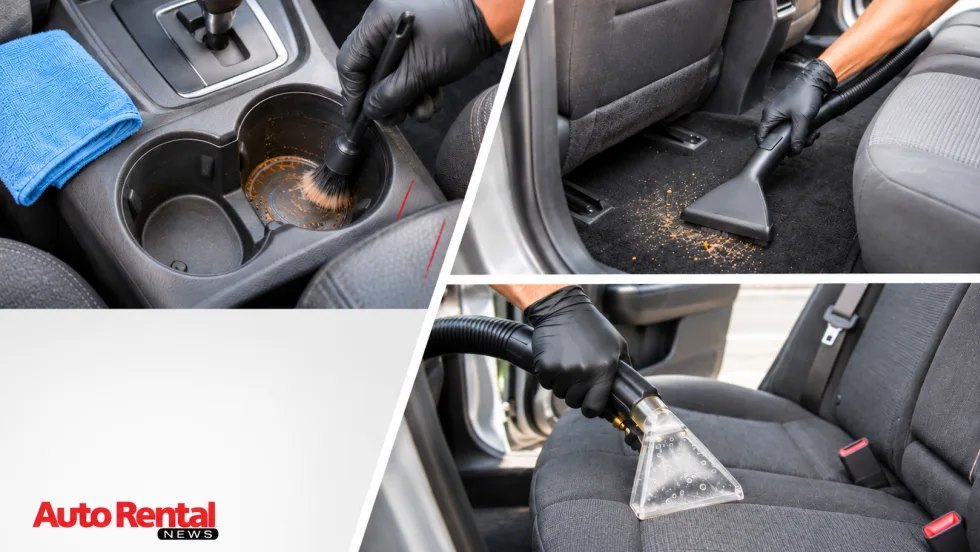
How Better Cleaning Processes Improve Rental Fleet Efficiency
A consistent approach to vehicle cleaning helps rental operators reduce turnaround delays and return vehicles to service without compromising cleanliness.
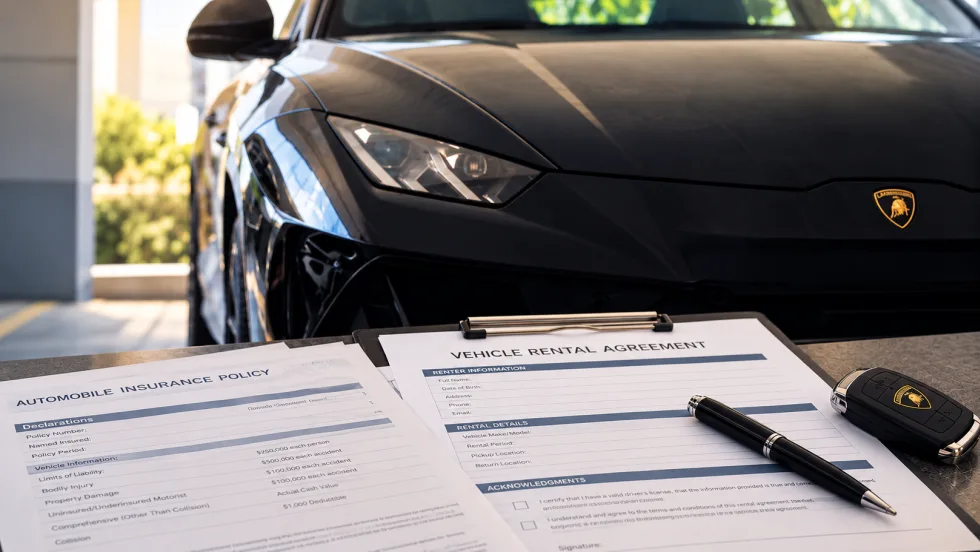
Clean on Paper: Red Flags in Exotic Car Rental Verification
A suspicious $45,000 Lamborghini booking reveals the strengths and limitations of renter verification, from forged insurance documents to coverage gaps and unauthorized drivers. (Part 2 of 3)
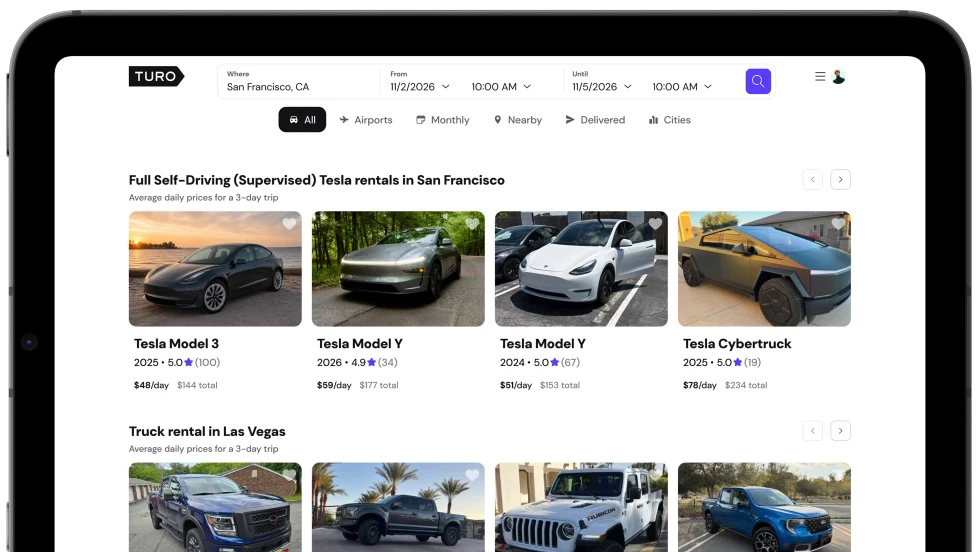
Turo and Tesla Take the Next Step Toward Autonomous Car Rentals
The partnership brings Tesla's Full Self-Driving (Supervised) technology into the rental experience, offering a glimpse of how increasingly automated vehicles could change car rental.
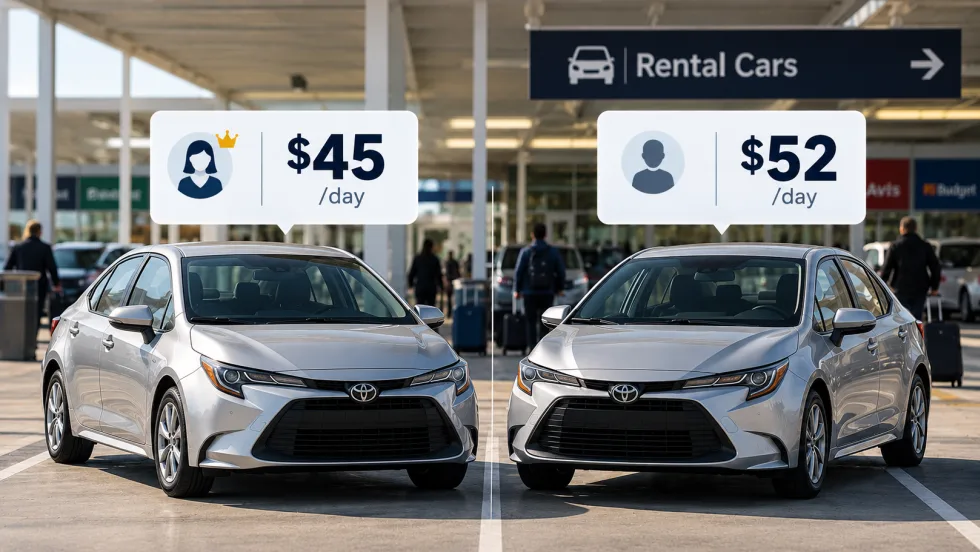
How Rental Operators Can Navigate Personalized Pricing Rules
As regulators scrutinize the use of customer data in pricing, rental operators need to know whether they can explain why one renter pays more than another.
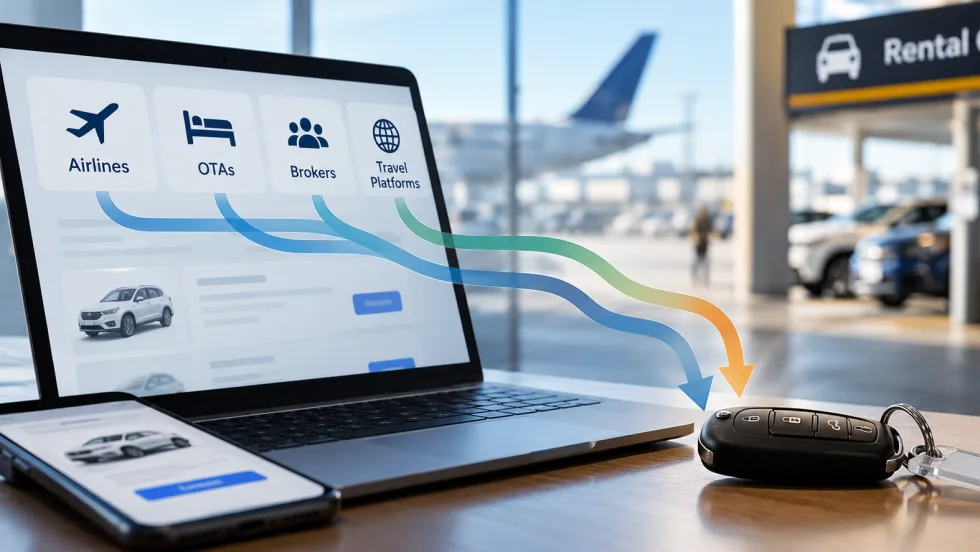
Direct, Broker or Hybrid? How Travel Retailers Source Rental Cars
As travel retailers weigh direct supplier relationships against third-party distribution, rental operators need to understand how those decisions affect their business.
How Did This Independent Rental Operator Grow to 170 Vehicles in 4 Years?
With 170 vehicles across three Kentucky locations, Joel Price relies on an overseas team to handle reservations, payments, and after-hours customer service. It's one part of an unconventional approach to growing an independent rental operation.
What Does It Take to Succeed in B2B Rentals?
The fundamentals may be familiar to daily car rental operators, but project-based truck rentals put different demands on the fleet and the business.

NPR Builds on International Partnerships to Grow Rental Bookings
With Ana Laborde supporting broker development, NPR Auto Group is tailoring distribution strategies, rate packages, and partnerships to grow international reservations across its three brands.

Advantage, Sixt Place Among Top Five in Annual Satisfaction Study
While Enterprise and National retain the top spots in JD Power’s 2026 rankings, the latest customer satisfaction results suggest renters can find competitive service beyond the biggest car rental names.