




Another Article: Worst Cleaning Jobs Ever (And Some Good Tips to Help)
Rental Car Cleaning Tips
Rent-a-Wreck offers independent and smaller operators car cleaning advice.
October 29, 2018
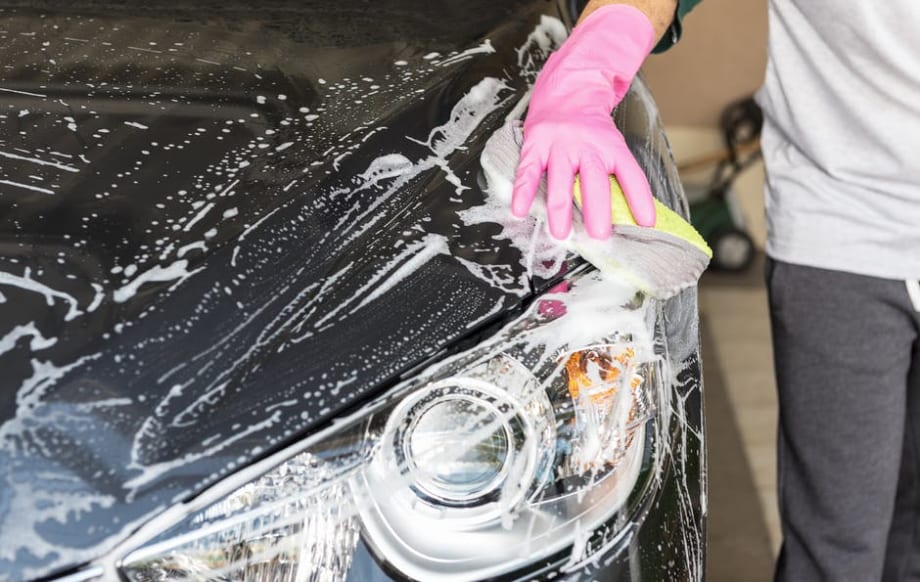
Start your detailing work with a clear water rinse, and finish with the glass, experts advise.
Photo: Pexels
5 min to read
For smaller car rental operations, thoroughly cleaning returned vehicles can be challenging when employees, time, and resources are limited. Below, Rent-a-Wreck offers 15 car detailer-approved cleaning tips that help streamline the car cleaning process, maximize efficiency, and ensure vehicles are spotless for the next customer.
Rinse Before Washing: If you hit your dry paint with soapy water, you’ll just grind the surface dust and road grit into your paint finish. Professional detailers always start with a clear water rinse to remove as much dust and dirt as possible.
Use the Right Soap: Dish washing liquid is the go-to choice for most DIYers. But it shouldn't’t be. Dishwashing detergent is simply too harsh. It sucks important oils out of your car’s finish and can actually shorten the life of your paint. A car detailer will use car wash soap for professional car detailing.
Forget The Sponge, Use a Microfiber Mitt: Sponges capture and hold dirt and grit in their large pores. You can wring it out but the grit will stay put. Once grit is embedded, you may as well wash your car with sandpaper. A car detailer will use a microfiber car wash mitt because the grit falls out when you rinse.
Use Two Buckets: One for clean soapy water, one for rinse water. After each wipe, dunk your dirty wash mitt in the rinse water bucket and swirl it around to dislodge the dirt and grit. Then dunk it in the soapy water and pick up where you left off. Dump the dirty rinse water and refill clean water before you move to the other side of the car. That’ll keep the soapy water clean.
Forget the Chamois, Dry With a Microfiber Towel: Chamois soak up water, but they don’t pick up any grit that’s left after rinsing. Instead, they just grind those particles into your paint. A microfiber towel, on the other hand, collects the particles. Rinse the towel in clean water to remove the grit. Then wring and keep drying.
Remove Minor Scratches Before Polishing: This step is what separates the DIYers from professional car detailing. Polishing increases the shine, but it doesn't’t remove scratches. However, if you remove the scratches first with a scratch removal kit and then polish, you’ll get even more shine. Find scratch removal kits at any auto parts store.
Buy a Dual-Action Polisher: A car detailer wouldn't’t be caught dead without a dual-action polisher. Don’t confuse this incredible tool with a high-speed buffer! Buffers run at much higher speeds and can burn the paint right off your car if you stay in one place too long or press too hard. Polishers are different. They run at lower speeds and oscillate as they rotate. Any DIYer can get the hang of polishing in just a few minutes. Polishing before waxing makes a huge difference, so your investment really pays off. One more polishing tip from professional detailers – apply the polish to the machine’s pad. Then wipe the pad across your paint. That’ll prevent all the polish from flinging off the pad as soon as you hit the trigger.
Use Synthetic Wax: Old style paste waxes look great on antique cars. But they don’t produce the same ‘wet look’ as modern synthetic wax, and they don’t last as long. When car dealers sell paint sealant, they’re really just applying high-quality synthetic wax, which is something you can do yourself for a fraction of the price. Apply synthetic wax in small sections using a wax applicator sponge.
Remove Wax Haze With a Microfiber Towel: You guessed it, microfiber towels are the heroes of car detailers everywhere. Wipe off the wax haze using circular motions. As the towel loads with wax, refold it to a cleaner section. Use a second towel when the first one is fully loaded.
Start At The Top: DIYers usually start by vacuuming the carpet. That just pushes the dirt from your dash, seats and door panels back onto your freshly cleaned carpet. Professional detailers start at the top and then work their way down to the carpet.
Suck It Up As You Go: Use a small detailer’s brush and shop vacuum to remove dust and dirt from all the nooks and crannies on your dash and console. It’s tool of the trade in the world of professional car detailing. Hold the shop vacuum wand near your brush and suck up all the crud as you work your way down to the floor.
Brush and Vacuum Your Carpet: Automotive carpet doesn't’t like to let go of dirt. If you just vacuum it, you’ll leave plenty of dirt behind. To remove more dirt, detailers use a stiff brush and scrub the carpet as they vacuum. You’ll see the dirt particles bounce to the surface so you can suck them up with your shop vacuum.
Use a Non-Silicone Matte Finish Dash And Vinyl Protectant: Silicone dashboard protectant sprays leave a slick film on your dash that actually attracts more dust, so you’ll have to clean it more often. Plus, a shiny dash reflects into your windshield. That reflection and glare can reduce your vision, especially at night. That’s why professional detailers use non-silicone matte finish protectants. They still look great and they reduce glare.
Lubricate Door Seals: You probably wiped off any door seal lubricants when you cleaned the door. Detailers make it a point to re-treat the seals with silicone spray. Spray some on the rag and wipe it around the entire door seal. The silicone prevents the seal from sticking in summer and in winter.
Finish With the Glass: If you cleaned the inside of your windows before you cleaned the dish and applied vinyl protectant, you’ll just have to clean them again. That’s why detailers save the glass cleaning until the very end. Cleaning the windows at this point removes all cleaning and vinyl treatment overspray and leaves you with sparkling clean windows.
Subscribe to Our Newsletter
More Rental Operations
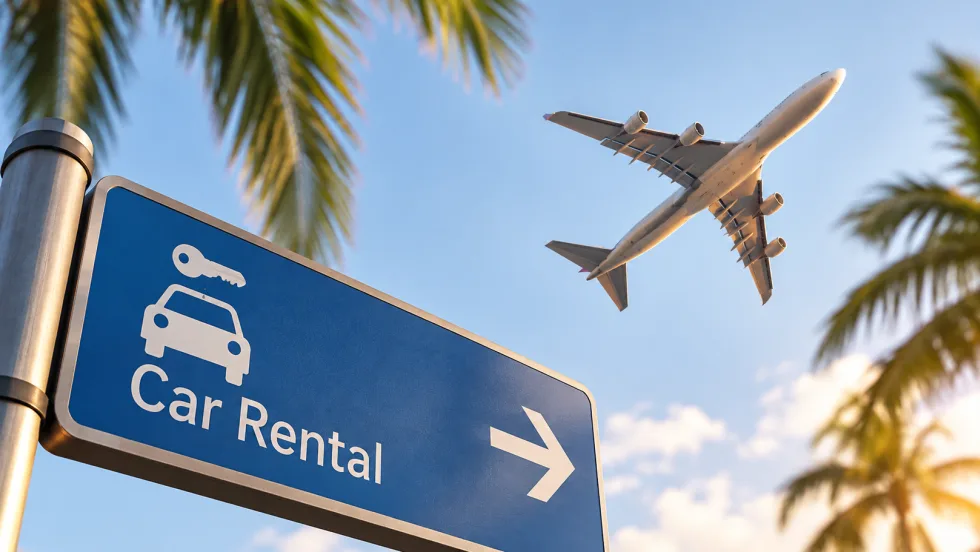
Palm Beach Airport Code Change Creates Car Rental Distribution Gap
A test of rental searches under the old PBI and new DJT airport codes returned largely different sets of brands and vehicles, highlighting a potential distribution problem for rental operators.
Read More →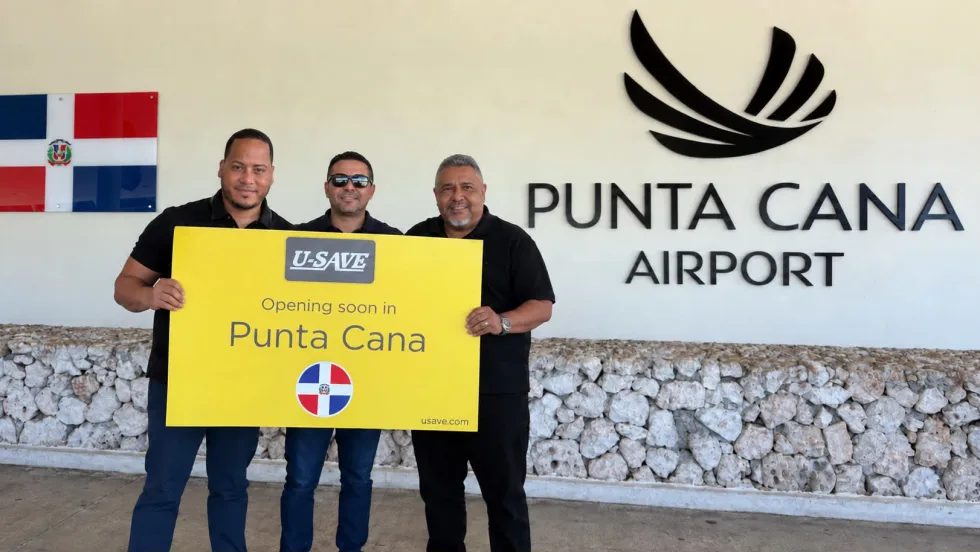
U-Save Continues Dominican Republic Expansion with Launch in Punta Cana
The new franchise location builds on U-Save’s existing Santo Domingo operation and will begin taking reservations for October 2026.
Read More →
When AI Books the Rental Car, Who Controls the Sale?
As AI moves from comparing rental rates to completing transactions, operators need to understand how travelers find, interpret, rank, and ultimately see their offers. (Part 2 of 2.)
Read More →
European Booked Car Rental Rates Fell 5%, Results Varied by Country
Ireland, Cyprus, and the United Kingdom saw steep declines, while booked rates rose in Poland and Hungary.
Read More →
Is It Time to Rethink Rental Categories?
As traditional economy and compact cars disappear from the market, longtime rental operator Mike DeLorenzo asks whether the industry’s familiar vehicle categories still make sense — and what operators need to rethink along with them.
Read More →
Who Owns the Rate? AI Is Creating a New Distribution Problem for Car Rental
Generative Engine Optimization asks whether AI can find a rental company, but operators also need to know whether the agent inspected enough of the market, compared equivalent offers, and presented a rate the traveler can actually book. (Part 1 of 2)
Read More →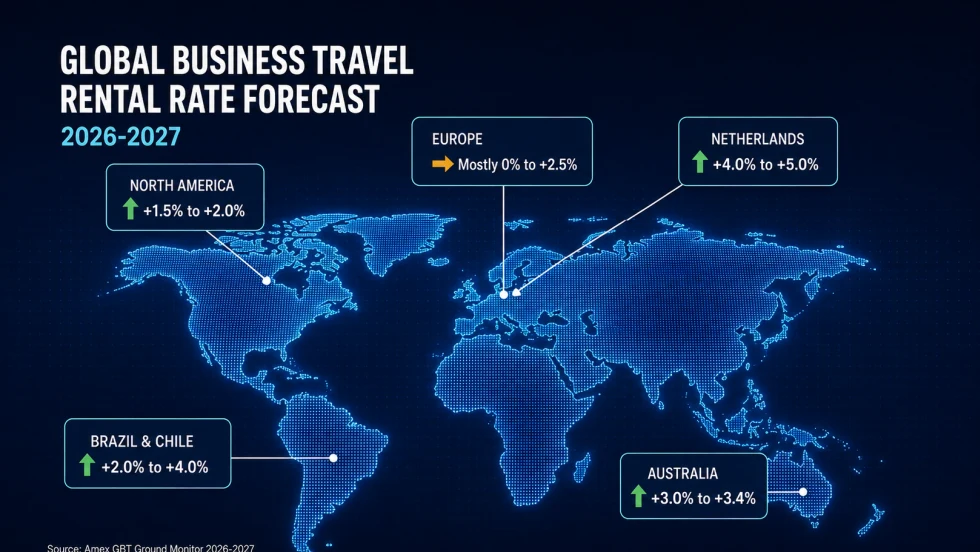
U.S. Business Travel Car Rental Rates Forecast to Rise Up to 2%
Improved fleet supply should limit pricing gains in 2026-27, while insurance, repair costs, and softer residual values continue to pressure rental operations, according to Amex GBT.
Read More →
Sixt Revenue Tops $2.4 Billion in First Half of 2026
Sixt’s first-half revenue surpassed $2.4 billion for the first time as demand outpaced fleet growth, lifting utilization and earnings despite weaker consumer sentiment in North America.
Read More →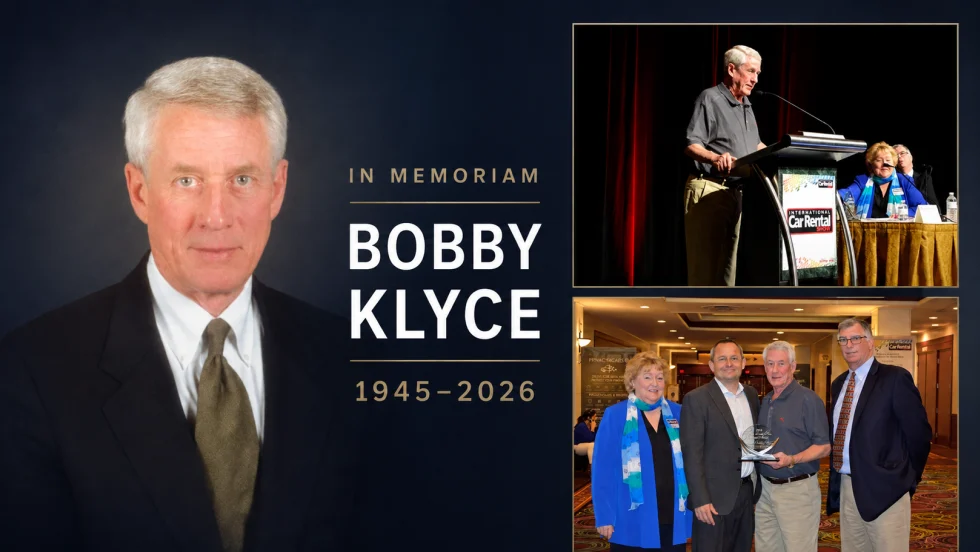
In Memoriam: Bobby Klyce, Avis Licensee Legend
The longtime Birmingham Avis operator and 2018 Auto Rental News Impact Award recipient was remembered as an advocate for independent licensees and the broader car rental industry.
Read More →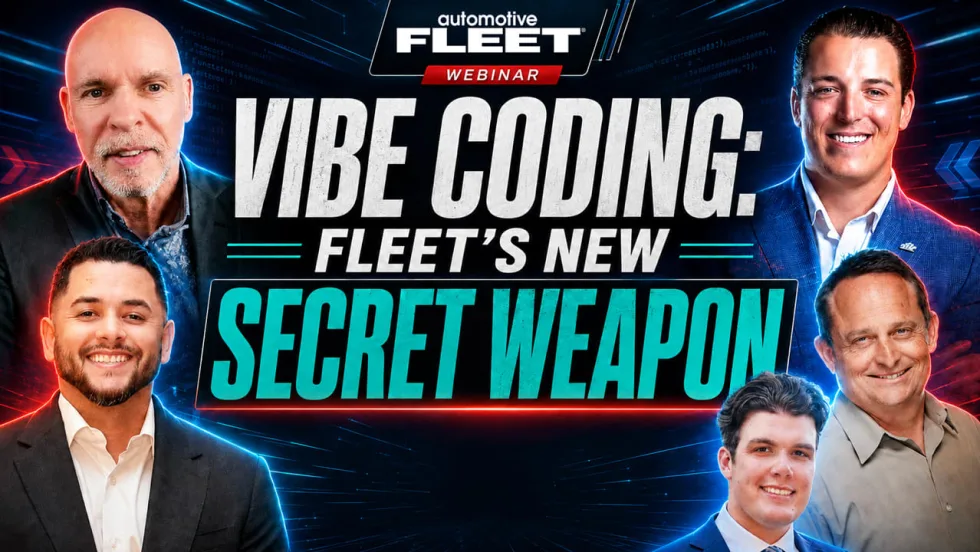
How to Build Custom Fleet Tools With AI and Vibe Coding [Webinar]
A new Automotive Fleet webinar explores how fleet managers are using AI and vibe coding to automate routine work and create simple operational tools without traditional programming skills.
Read More →