




Skipping the Broker with Online Load Boards
By connecting auto rental companies direct to carriers, load boards allow companies to compare vehicle shipping rates and put out bids to get the best price in relocating their vehicles.
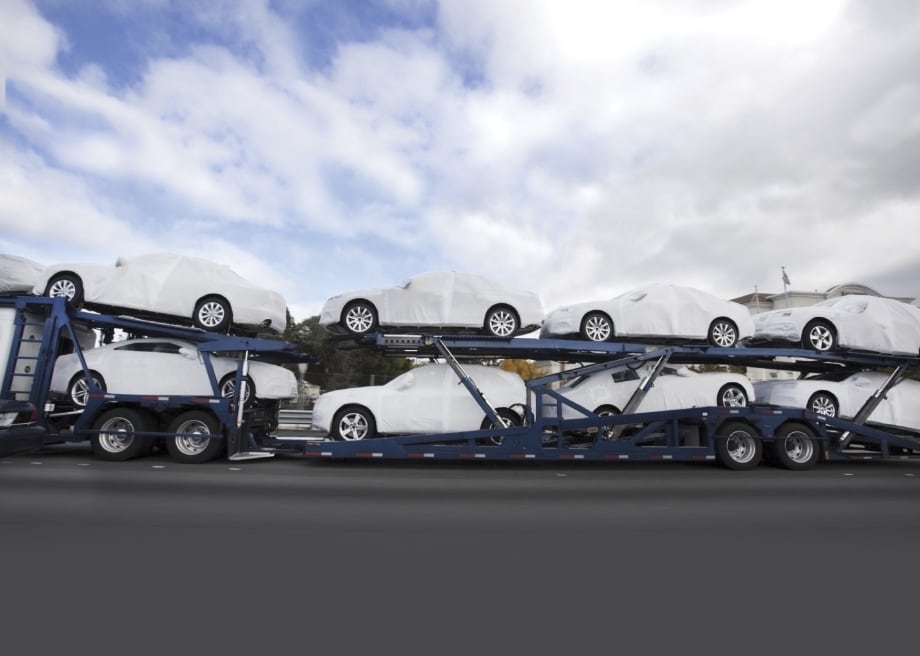
An auto rental company looking for a carrier to transport its latest shipment of cars can connect with a driver or dispatcher through online load boards.
Photo from ©iStockphoto.com/ Joe_Potato.
With auto rental companies constantly buying and selling cars, they have an ongoing need to ship vehicles from the seller’s location to the rental office. When the cars they need aren’t available locally, shipping can be a challenge since rental companies might not have relationships with auto transportation companies outside their general area — or an understanding of an appropriate price for the service.
Jason DeLorenzo, fleet manager of NextCar and Rent A Wreck of America in Laurel, Md., was looking for a wider network of car transporters as well as ways to save on transportation costs.
“Traditionally, we try to buy as close to home as possible, but sometimes it’s hard to buy close to home because the inventory is just not there or because what we need is far away,” DeLorenzo says. “In the past, if we bought something in Florida, we’d either try to network with local transporters and ask if anyone is going our way, and maybe make some calls, but even then we still didn’t know if we are getting a competitive rate. Then we started using brokers.”
While brokers solved the problem of finding transporters, after a while DeLorenzo felt he was paying too much.
“I had a feeling there was something out there the brokers were posting loads on,” he says. He began asking questions and searching the Internet until he found his solution: load boards.
What Are Load Boards?
Simply put, load boards are systems that match those who have cars they want moved (“shippers”) with those who can move them (“carriers”). The concept is similar to eBay’s system of bringing buyers and sellers together in an online marketplace.
An auto rental company looking for a carrier to transport its latest shipment of cars can connect with a driver or dispatcher looking to fill an empty truck in a timely, cost-effective way by using a load board. Because thousands of carriers connect to load boards it can be easier to find a carrier even if the location is far away, meaning managers no longer need to make multiple phone calls to find a long-distance carrier.
John Skelton, founder of Seattle-based CarrierRates, released his auto shipping technology in 2005 after working more than three decades in the auto shipping industry. CarrierRates is a no-phones-required system in which shippers, such as car rental companies, post loads and then carriers can bid on them. Shipping costs are lowered by the bid process, and the broker’s fee is eliminated. The system also provides online load tracking.
Skelton developed CarrierRates because he believes prices were too high for transport. “Some business owners or employees never pay attention to pricing,” he says. “That is a common practice — the employees will take the road of least resistance without any thought of the expense to the business.”
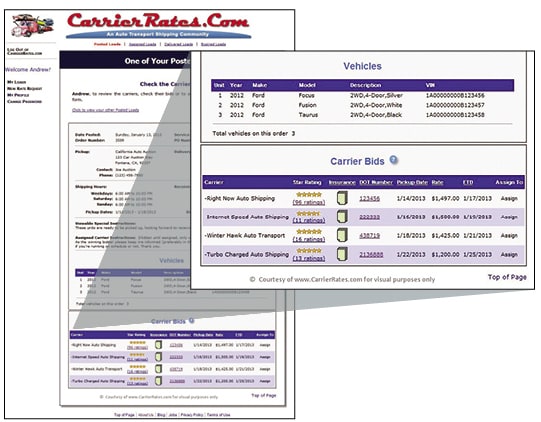
For auto rental companies looking to eliminate broker’s fees, load boards provide significant cost savings.
CarrierRates has hundreds of carriers on its website that represent tens of thousands of trucks, Skelton says. Some are one-truck owner-operators, while others have more than 2,000 trucks.
Another load board, Austin-based uShip.com, which launched in 2004, has 325,000 registered transporters.
“Load boards have been around a decade or more,” says Dean Xeros, vice president for sales and general manager of motors and relocation at uShip.com. “The idea was to connect shippers and brokers with carriers and allow them to negotiate a price.”
Shipping a Vehicle
With load boards, a shipper can send an order out for bid and get a response the same day, all through an automated process.
Shippers can post a description of the load — how many cars, what kind, where they need them shipped and when — and wait for bids to come in from multiple carriers. Or they can enter the price they’re willing to pay to have the load shipped, and see if a carrier will take the load at that price.
Load boards have grown to the point where there are hundreds of thousands of transactions happening.
“[Using a load board] has been quite easy,” DeLorenzo says. “We have been buying cars from much farther away than we have in the past — as far as Denver or Dallas — which we haven’t done before. By posting the load on the board, it gives us access to a lot more transporters.”
The cost of using a load board is often less than the cost of using a broker, and some provide free options. Certain load boards charge a per-transaction fee, while others collect a flat monthly fee. CarrierRates offers “blocks” of postings at various rates, starting at $240. The cost of using a load board can be recovered by the money saved over a number of loads.
The basic uShip.com plan costs nothing for auto rental companies to use; there is a transactional fee that is paid by the transporter. If a shipper has more than basic needs, then they might upgrade their participation and pay fees of $3-$7 per shipment, “a relatively small number when looking at the overall cost of moving vehicle,” Xeros says. “They pay only when a carrier actually moves something.”
The fee structure that is best for a particular auto rental company depends on the number of transactions it makes. If volume is high, auto rental companies can save money using a load board compared with using a broker.
Brokers versus Load Boards
“Brokers provide a needed function,” DeLorenzo says. “Sometimes it’s easier to use them because it saves me time rather than posting it myself, but if I want to save myself a few bucks, I use the load board.” He adds that the billing process can be easier with a broker.
“If I use a broker five times a month, they’ll send me one monthly bill,” he says. “If I’m using all load boards, I will use five guys and will pay five different guys five different checks. Brokers save time in managing the process.”
“Brokers are very popular in the shipping space,” Xeros says. “A number of auto rental companies employ a brokerage to find the carriers and negotiate a price. They help facilitate the transaction on behalf of their client.”
For auto rental companies looking to eliminate broker’s fees, load boards provide significant cost savings.
Loads Transported for Less
Not only do load boards eliminate broker’s fees, but the competitive bidding process itself helps drive prices down.
“If you have an auto rental company that uses one carrier, a trip can cost $700, but with three or four carriers bidding, now the cost is $550,” Xeros says. “Or, if an auto rental company can only spend $600, it can put that offer out.”
Xeros says the bidding process gives the shipper more options. “The amount of overhead allocated to managing your transportation gets reduced,” he says. “It was a highly inefficient process, and now the process is managed through one system and you can negotiate better transportation rates.”
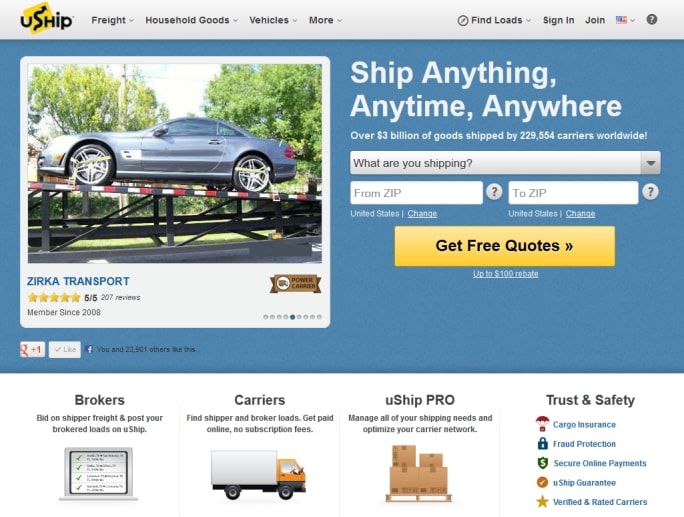
With load boards, a shipper can send an order out for bid and get a response the same day, all through an automated process.
DeLorenzo, who has been using CentralDispatch for about a year, has found that cost savings are about 30% when he uses the load board.
“Before, we didn’t consider buying cars from places like Denver, because using a broker would bring the transportation cost to $800 or $1,000 per car,” he says. “But using load boards, it’s 30% less. Once we realized that, we thought, OK, it’s no big deal to buy in Denver.”
DeLorenzo uses load boards whether he’s buying and transporting a single car or a dozen. He simply posts the load and waits for a carrier to accept.
“Price is always a factor,” DeLorenzo says. “I will post a price that I want to pay. CentralDispatch has a guide that shows what previous loads have gone for, so I have an idea of what I should be paying, or from general experience, I have an idea what it would cost.”
Once the post is made, DeLorenzo says he typically gets calls within minutes. “I know if my phone doesn’t ring for a couple hours, my price is probably too low or I’m just buying in a slightly obscure place, and it might take a day,” he says. “But most of the time, I’m getting multiple calls within 20 minutes.”
Occasionally a carrier will call to negotiate a slightly higher price. DeLorenzo will accept or reject these counteroffers based on what similar loads in similar locations cost.
Like DeLorenzo, Skelton notes that price savings from using load boards is about 33%.
Skelton recently ran a test load on his site for an auto dealer in New Jersey who wanted to transport cars from Florida. His previous quote was for $600 for a single vehicle load.
“When I put out the test load for him, the bid came back for a three-vehicle load for $1,300, and the first bid came back in one hour and 11 minutes,” Skelton says.
Validation Process and Flexibility
Both uShip.com and CarrierRates employ a registration process that aims at protecting users from fly-by-night transportation companies, such as requiring carriers to provide DOT and insurance certificates.
In addition, like eBay, uShip.com and CarrierRates use a rating system to monitor carriers’ performance.
“Every transport we have is feedback rated,” Xeros says. “You can also see what they have as far as insurance. The system creates transparency.”
On CarrierRates, new carriers that don’t yet have a rating can provide references to use as a starting point.
Payment for transport takes place between the shipper and the carrier, and load boards help arrange for several payment options, including cash on delivery, check or direct debit.
Load boards are flexible systems accessible to those with limited knowledge or veterans of vehicle transport, and they’re just as useful for low-volume shippers as high-volume shippers.
“The smaller companies have the tools and technology that before was only available to the big boys,” Xeros says. “It creates a more level playing field.”
More Rental Operations
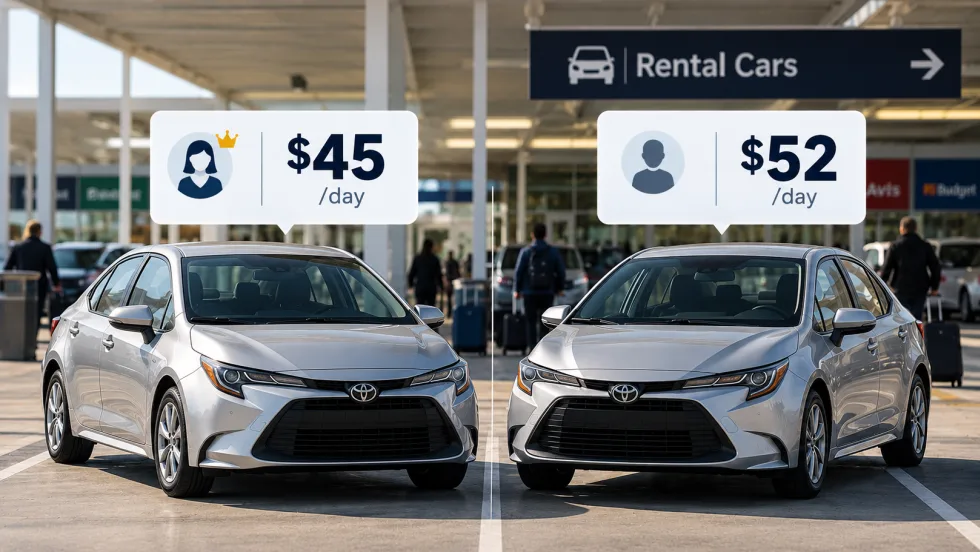
How Rental Operators Can Navigate Personalized Pricing Rules
As regulators scrutinize the use of customer data in pricing, rental operators need to know whether they can explain why one renter pays more than another.
Read More →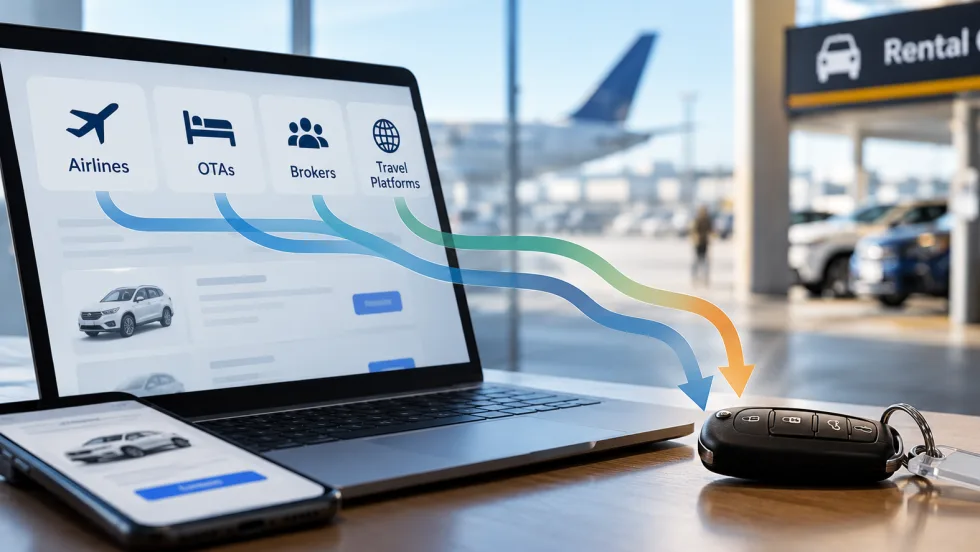
Direct, Broker or Hybrid? How Travel Retailers Source Rental Cars
As travel retailers weigh direct supplier relationships against third-party distribution, rental operators need to understand how those decisions affect their business.
Read More →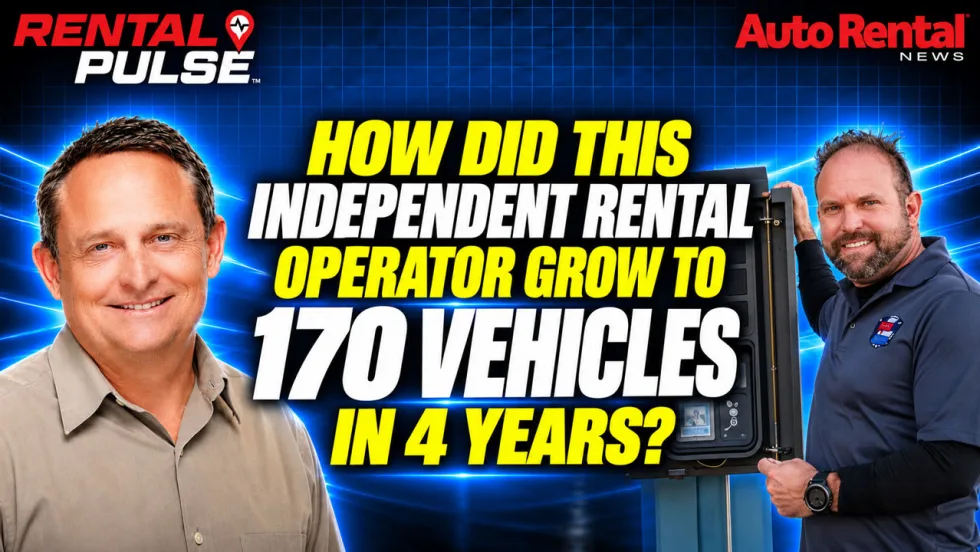
How Did This Independent Rental Operator Grow to 170 Vehicles in 4 Years?
With 170 vehicles across three Kentucky locations, Joel Price relies on an overseas team to handle reservations, payments, and after-hours customer service. It's one part of an unconventional approach to growing an independent rental operation.
Read More →
What Does It Take to Succeed in B2B Rentals?
The fundamentals may be familiar to daily car rental operators, but project-based truck rentals put different demands on the fleet and the business.
Read More →
NPR Builds on International Partnerships to Grow Rental Bookings
With Ana Laborde supporting broker development, NPR Auto Group is tailoring distribution strategies, rate packages, and partnerships to grow international reservations across its three brands.
Read More →
Advantage, Sixt Place Among Top Five in Annual Satisfaction Study
While Enterprise and National retain the top spots in JD Power’s 2026 rankings, the latest customer satisfaction results suggest renters can find competitive service beyond the biggest car rental names.
Read More →
The $100,000 Insurance Trap in Exotic Car Rentals
Exotic rental agencies often rely on customers’ personal auto policies to protect six-figure vehicles. But policy language can dramatically change the coverage for vehicles over $100,000 MSRP.
Read More →
The Booking Is Confirmed, But Is Your Customer Ready to Drive?
For international renters, a confirmed reservation doesn’t always mean they’re eligible to drive. Earlier checks can help operators catch documentation and payment issues before the customer reaches the counter.
Read More →
ICRS 2027 Opens Call for Papers
The International Car Rental Show seeks session proposals on the business, operational, and technology issues facing car rental operators. Submissions are due Jan. 15.
Read More →
Turo to Launch Vehicle Delivery Service
Turo Delivered will let travelers search for vehicles that hosts can deliver directly to hotels, homes, airports, train stations, and other locations.
Read More →