


The Art of the Deal
The new consolidated rental car center in Anchorage was built within budget and opened on time using a unique business model. Can it work elsewhere?


On July 18, a new consolidated rental car center opened at Ted Stevens Anchorage International Airport with the usual fanfare and dignitaries trumpeting a host of customer conveniences and environmental benefits.
Rental car customers Jim and Cathy Reid of Allentown, Pa., cut the ribbon to open the gleaming new facility. But the renting public will never know, nor need to know, the unique way the facility was planned and how it opened on time and on budget.
The key to the deal can be found in the collaboration between a turnkey development company, a progressive airport director and a group of car rental operators who were ready to pitch in and build a facility from square one.
You Want It Where?
In Anchorage, the rental car companies and the airport had talked about building a consolidated facility for years.
Rental car counters had been located near baggage claim, in an area described as “dark, dingy and crowded.” Save for a few garage spaces for VIP renters, customers would exit the terminal, often in subzero temperatures, dragging luggage across an open parking lot to their rental car.
The old system was taxing on RAC employees as well, as they had to drive a half mile to two miles from the airport to individual washing and refueling sites.
Plans began to formalize when the RACs successfully lobbied the state legislature for a consolidated facility charge (CFC) of $4.12 per day to be added to rental bills. In 2004 the Alaska Industrial Development and Export Authority (AIDEA) issued revenue bonds to be repaid through the CFC.
Concurrently, the airport was looking for a location.
Space, or the lack of it, usually drives the building of a consolidated facility. Often, that means RACs are “remoted” to an off-airport site and linked to the airport via a busing operation.
The early consulting work done for the airport resulted in the recommendation to build off-campus. Yet the local franchisees—Alamo, Avis, Budget, Dollar, National, Payless and Thrifty—wanted the facility linked to the terminal. [PAGEBREAK] There was only a five-acre footprint in front of the terminal on which to build. Further, no one wanted to block the majestic mountain views from the terminal, says Mort Plumb, airport director.
Per the terms of a flexible concession agreement, the RACs were allowed to step outside the normal process and come up with an alternative proposal.
Inviting Private Development
Venture Development Group is an independent development company that, according to its Web site, “steps beyond traditional roles of architect and contractor to coordinate financing and all other development activities.”
“We develop a project turnkey,” says Mark Pfeffer, co-owner of Venture Development Group with Jerry Neeser. “We basically take the lead role in putting together the land, financing and legal agreements; we hire the designers and the contractor, and then oversee the building of the project.”
Pfeffer is also a principal in an architectural firm while Neeser owns one of the largest construction companies in the state. Venture, independent from both, often retains the respective firms for their specific roles.
The Anchorage-based company has developed office buildings, schools, fire stations and living communities. One of its current co-projects is the financing, design and building of the new Anchorage Civic and Convention Center.
The franchisees, well aware of Venture’s local work, approached Pfeffer to see if their facility needs were feasible.
Pfeffer and company spent a few months researching the project, and consolidated facilities in general, out of pocket. In exchange, Pfeffer asked the franchisees to sign a contract naming Venture as their exclusive representative with the airport.
“I didn’t want to tee up the job only to find out that the airport put it out to bid without us being involved,” Pfeffer says.
Hertz and Enterprise, the corporate stores, were standoffish at first. “We had some concerns in working with a third-party developer rather than the airport,” explains Connie Gurich, director of properties for Hertz.
“None of us had done this type of deal from the licensee side or the corporate side,” says Kurt Schwager, assistant vice president of airport facilities for Enterprise Rent-A-Car. [PAGEBREAK] Breaking Tradition
When building a consolidated facility, all parties have to agree on the design in concept before the project can move forward. Yet Pfeffer learned that a facility’s actual specifications and total cost are often not finalized until well into the process of collecting fees from renters and performing costly feasibility studies.
Though the RACs have a say in counter space, parking space and to some extent the design of the facility, they have little input into how the money is spent or how the project is built.
“Virtually every one of these rental car centers around the country is developed by an airport. If the rental car companies want to play ball on-airport, they have to play by the airport’s rules,” says Pfeffer.
Too, the planning team for the airport is generally not responsible for the facility’s ultimate delivery. That company’s assessment is an estimate, not a bid, based in part on that already flowing CFC stream.
“It’s not the estimator’s money; it’s not the rental car operators’ money, nor the airport’s money. It’s just money in the budget,” Pfeffer says. “So you end up with a lot of repetitive layers of contingency, so that every one involved feels that they have covered their estimates.”
On top of the estimate, the airport adds another contingency to cover its staff time, review time and comment time.
“When a governmental entity builds facilities there is a built-in markup simply because of the process,” says Gurich. “In some airports it’s a well-known fact that the markup can be 30 percent of the project cost. A bureaucracy comes with inherent overhead.”
The Guarantee
Pfeffer worked up a preliminary plan and brought it to the rental car companies.
He set forth a bold proposal: Venture Development would put the financing in place, hire the design team and contractor, handle the regulatory approvals and direct the construction from first shovel to completion. After it opened Venture would manage the facility, with oversight from the RACs and airport, which had the right to revoke the contract.
All this would be done with considerable input from the RACs and sign-offs by the airport along the way. The RACs would retain their direct relationship with the airport through their concession agreement, and all the rights and obligations they had between them would remain intact.
The total project cost, including design, construction, financing and operating reserves, was $63 million. Both the RACs and the airport would be indemnified for cost overruns. Venture would guarantee that price, as well as the open date, right then and there.
The corporate stores—which had been through this process at other airports and knew full well its issues—were now on board.
“Once we looked at the full project and his numbers, and had the ability to negotiate all the way, it became a win-win,” says Gurich.
“It was a big deal,” says Pfeffer. “It took out all of the guesswork for both the industry and the airport.” [PAGEBREAK] From the airport’s perspective, the plan freed it to concentrate on other projects such as terminal expansion. The fact that Venture indemnified the airport and the RACs from cost overruns was no small factor. And the state retained ownership of the building. “Basically it was a win-win for the state in that we had an asset; but we didn’t have to tie up any money,” says Plumb.
Removing the layers
Whether Venture or the airport built the project, the cost of materials was the same. But by doing almost everything in-house, Venture was able to bundle disparate reviews and procurement efforts into one package, which kept costs down.
Pfeffer says Venture’s administrative overhead was 10 to 15 percent of the budget.
“When you’re the company doing the planning work and you’re also responsible for guaranteeing the delivery, then the pricing exercise that you do has to be very, very real,” he says.
Though much of the usual inherent bureaucracy had been streamlined, all parties are quick to point out that there were no shortcuts or circumvention of the vetting process. And with this new, untested paradigm came a fresh set of issues to work through.
First, the RACs had considerably more work on their hands in negotiating with Venture the design specifics of the facility and reviewing all the legal requirements, things the airport traditionally handles, says Gurich.
Second, decisions normally brokered by the airport, such as reallocation of counter space, use of car washes and who goes on what floor, were handled by a majority in interest vote by the rental agencies.
“It clearly was a challenge to get, as I would call it, the celestial convergence where all the stars align,” recounts Plumb. “It was tough in the beginning. There were a lot of lawyers involved.”
“Venture played referee. It was rental car control versus the typical way we’ve done these, which is airport control,” Schwager says.
Schwager, ironically, was engaged by Ted Stevens Airport 10 years ago in a previous job as an airport planner to conduct the initial site selection and planning for the consolidated facility.
“Mark [Pfeffer] did a marvelous job of facilitating and coordinating all the pieces and then articulating the issues to the airport team,” says Plumb. “And through that we were able to work the art of the deal.”
Says Pfeffer: “We found efficiencies in pretty much every niche of this type of facility that we can, which is something the rental car companies are really happy with, while at the same time not cutting corners in terms of the airport’s expectations for a facility right there on campus.”
Pfeffer estimates Venture saved 10 to 20 percent in project costs over a publicly built project. And they did find a way to build the facility next to the terminal. [PAGEBREAK] Subarctic Challenges and Solutions
The new rental car center at Ted Stevens Airport is small comparatively, but its design had to account for the unique challenges of a subarctic climate.
The new facility, bordered by the terminal, the FAA tower, a rail train depot and long-term parking, allows travelers to walk from the terminal through a tunnel and into a soaring three-story lobby containing the rental counters. In the connected parking structure with space for 1,200 cars, exposed helixes connecting floors are kept free of ice and snow with four acres of heated concrete slabs.
In addition to using less space, the new facility will save about a half-million trips a year to wash and refuel.
Twelve car washes were built on three levels, stacked on top of each other. The water is “94-percent” recycled. A canopied fuel island sits just outside the parking structure, accessed by a cardkey system.
Venture, who manages the facility as part of the agreement, holds one carwash maintenance contract with a single company. The single fueling station used by all RACs allows for further savings with bulk-fuel purchases.
In most consolidated facilities the rental car companies are responsible for operating costs such as those for gas, electric, water and janitorial services. As part of its “we-do-it-all” philosophy, Venture went to bat at the state legislature to get the CFC to pay for ongoing facility maintenance.
Center-less in Seattle
As Plumb puts it, the stars aligned over Anchorage for this deal. But will this new business model work for other planned consolidated facilities?
Pfeffer recounts a conversation with John Barsalou, the leasing manager at Ted Stevens Airport who was deeply involved with the construction of the new car rental center.
“We were talking about design solutions and how they do it elsewhere, and John said, ‘Once you’ve seen one airport you’ve seen one airport.’ You think airports are kind of the same, but basically they’re all different.”
The size, design and operation of any new facility are dictated by a myriad of factors including available land, airport design, environmental concerns and financing. Any out-of-the-box approach will be dictated by the terms of the concession agreement, the airport’s flexibility and how far along it has gotten in the planning.
The proposed consolidated facility at Seattle’s Sea-Tac Airport is a case in point.
Once more at the behest of rental car companies, Venture brought its newfound expertise into contract negotiations for the new car rental center. However, Venture entered the situation after a public procurement process had begun. A complete shift to the method of delivery similar to Anchorage was not likely. [PAGEBREAK] At Sea-Tac, projections showed that the CFC would not raise enough money to cover the cost of the facility. The Port of Seattle, which runs the airport, wanted the car rental companies to pick up the tab, an undetermined sum. The RACs don’t own the facility and weren’t buying into the deal.
The RACs’ recourse was to protest the deal at commission meetings. Before that could happen, the port was willing to dialogue.
Venture proposed that it could take responsibility for the project’s delivery similar to Anchorage. Venture drew up alternative plans and presented them over a series of meetings. Though the port was impressed with the plan, it ultimately said it was too far down the road to give up control, says Pfeffer.
Pfeffer doesn’t fault the airport’s position, but believes Venture did aid the negotiations.
“I believe that they still have challenges in Seattle, but I also believe that the industry and the airport have a much better defined working relationship than when they started,” he says.
We’ll Always Have Anchorage
Pfeffer says he would be open to bringing this development model to other proposed consolidated facilities. In other markets, either Venture or the airport would hire local design and construction firms as key strategic partners for project delivery.
“We’re in a position to look at other markets, but we also want to make sure we don’t overextend ourselves,” Pfeffer says. “We want a situation where we can provide a good service to both the industry and the airport.”
“If you can do it cheaper and faster there is a compelling story as to why you should consider this [new business model].” says Schwager. “But the model has to fit the other markets.”
Schwager counts 18 markets in which airports are in the planning, development and construction of a consolidated facility.
“There is a lot of opportunity, but you have to have everything aligned and a willingness to do it from all stakeholders,” says Schwager. “And that really is the challenge because it is still outside the traditional way these facilities are constructed.”
Whether or not the model flies in other markets, Anchorage remains a success.
The ribbon-cutting Reids may have been random travelers, but they are central to the development plan’s guiding philosophy, says Pfeffer.
The airport holds fiduciary responsibility for the facility, and the car rental companies are the conduit for the investment. But it is the customers who truly own the facility, because they paid for it. And that promise—to spend their money wisely and to give them the facility in a timely manner—was kept.
“In this job we deal with a lot of business and buildings,” says Plumb. “But this is probably as good as it gets as far as partnering with
More Rental Operations

What Does It Take to Succeed in B2B Rentals?
The fundamentals may be familiar to daily car rental operators, but project-based truck rentals put different demands on the fleet and the business.
Read More →
NPR Builds on International Partnerships to Grow Rental Bookings
With Ana Laborde supporting broker development, NPR Auto Group is tailoring distribution strategies, rate packages, and partnerships to grow international reservations across its three brands.
Read More →
Advantage, Sixt Place Among Top Five in Annual Satisfaction Study
While Enterprise and National retain the top spots in JD Power’s 2026 rankings, the latest customer satisfaction results suggest renters can find competitive service beyond the biggest car rental names.
Read More →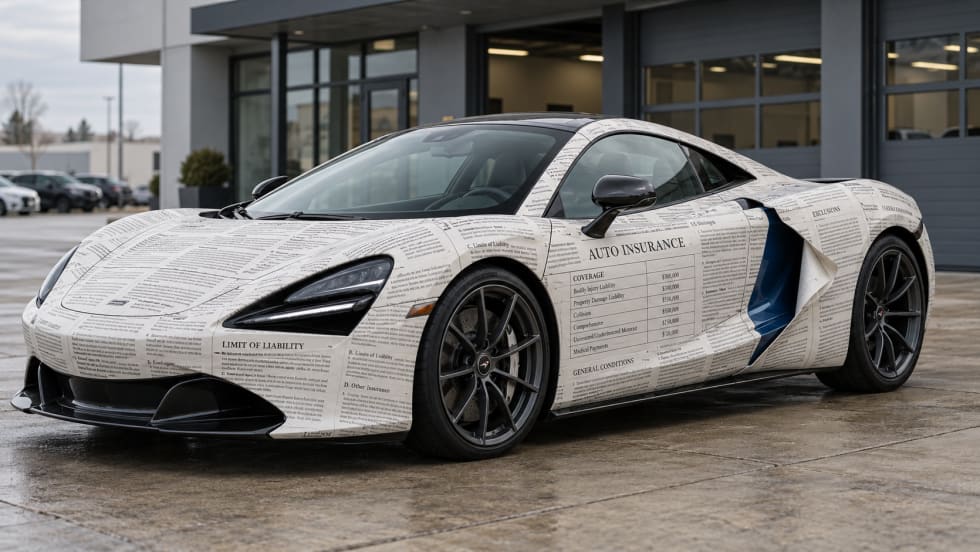
The $100,000 Insurance Trap in Exotic Car Rentals
Exotic rental agencies often rely on customers’ personal auto policies to protect six-figure vehicles. But policy language can dramatically change the coverage for vehicles over $100,000 MSRP.
Read More →
The Booking Is Confirmed, But Is Your Customer Ready to Drive?
For international renters, a confirmed reservation doesn’t always mean they’re eligible to drive. Earlier checks can help operators catch documentation and payment issues before the customer reaches the counter.
Read More →
ICRS 2027 Opens Call for Papers
The International Car Rental Show seeks session proposals on the business, operational, and technology issues facing car rental operators. Submissions are due Jan. 15.
Read More →
Turo to Launch Vehicle Delivery Service
Turo Delivered will let travelers search for vehicles that hosts can deliver directly to hotels, homes, airports, train stations, and other locations.
Read More →
Palm Beach Airport Code Change Creates Car Rental Distribution Gap
A test of rental searches under the old PBI and new DJT airport codes returned largely different sets of brands and vehicles, highlighting a potential distribution problem for rental operators.
Read More →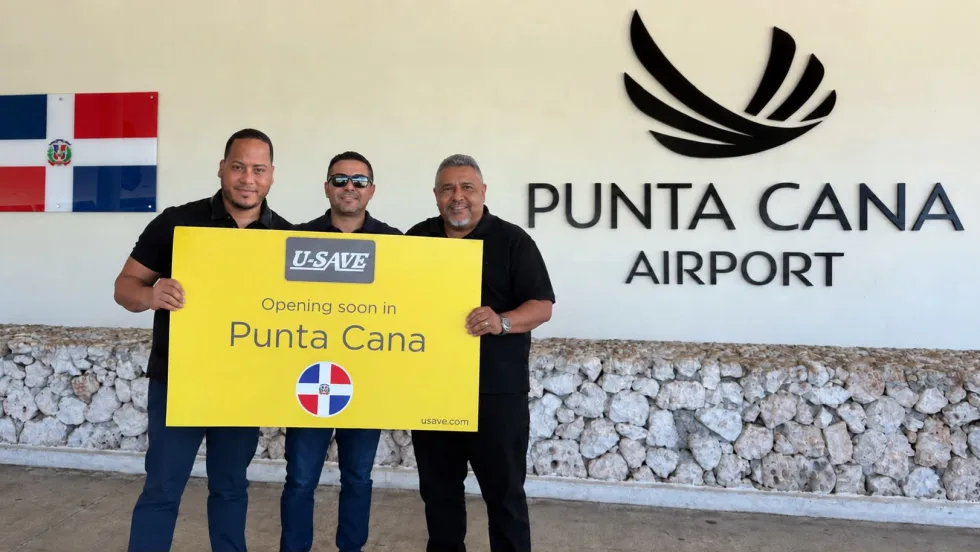
U-Save Continues Dominican Republic Expansion with Launch in Punta Cana
The new franchise location builds on U-Save’s existing Santo Domingo operation and will begin taking reservations for October 2026.
Read More →
When AI Books the Rental Car, Who Controls the Sale?
As AI moves from comparing rental rates to completing transactions, operators need to understand how travelers find, interpret, rank, and ultimately see their offers. (Part 2 of 2.)
Read More →