



If you missed the 2026 ACRA Annual D.C. Industry & Policy Conference, view the agenda here.
What Happens During a “Day on the Hill?”
Walking into a congressional office to discuss legislation certainly is outside the normal workday for most of us. But it’s a worthy, fun, and meaningful experience.
September 26, 2026
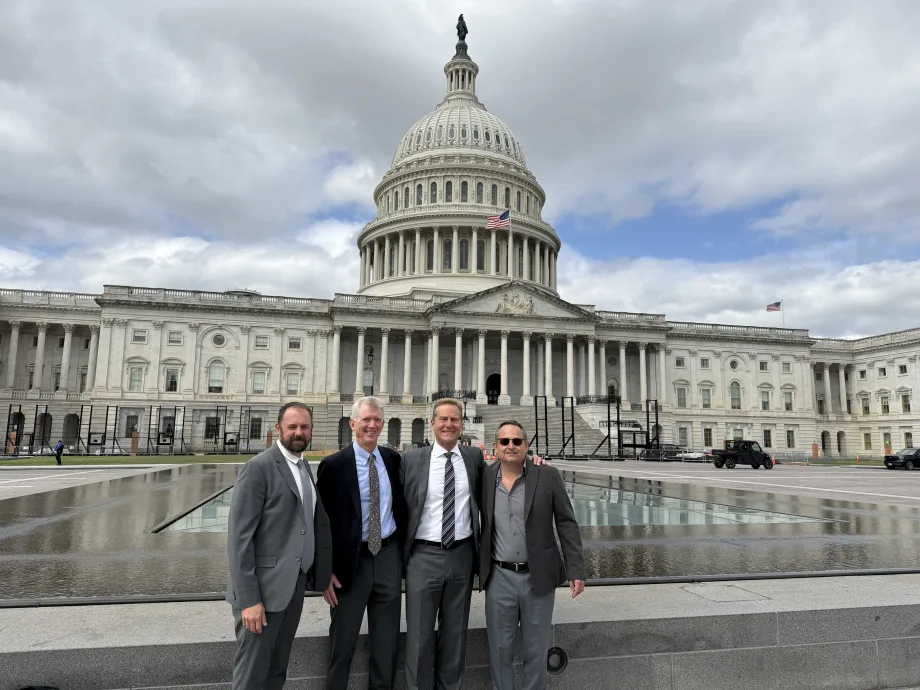
Collin Sutton (left) of Galpin Rentals, Wes Hurst of Polsinelli, Gary Kolodziej of Midway Auto Group, and me take a quick break in front of the U.S. Capitol on our way to our next Day on the Hill meeting.
Credit:
Chris Brown
4 min to read
You’re in Washington, D.C., for your first “Day on the Hill.” Welcome to the American legislative advocacy process. You’re now taking part firsthand!
The reason for these meetings is simple: Your industry wants its concerns heard by the people who write the laws that will affect you.
An association representing your industry likely invited you — in our case, the American Car Rental Association (ACRA). As you walk the halls of Congress, you’ll pass plenty of other groups doing the same thing, each with its own issues to discuss.
Prepping for the Day
Your day, or the day before, will start with association leaders preparing you and distributing the talking points you’ll discuss in your meetings. For this year’s ACRA Day on the Hill, we had three primary issues involving recalls, vehicle data access, and the Graves Amendment.
Then you’ll be divided into groups, generally to meet with senators and representatives from your state. Groups can be as small as three — our California group ended the day with three — or as large as eight. You’ll see bigger groups, too, though at some point there simply isn’t enough room in a congressional office.
The old days of carrying around a printed schedule have given way to an app that organizes your meetings, contains pertinent documents, and pushes reminders throughout the day.
In the morning, your group will head to the various congressional office buildings. Senate offices are in Russell, Dirksen, and Hart; House offices are in Cannon, Longworth, and Rayburn.
Give yourself plenty of time before that first meeting. D.C. traffic can be tough, security lines can be long, and just finding an office in these enormous buildings can take longer than you think.
Once inside, you’ll most likely meet with a member of the senator’s or representative’s staff. Sometimes the member of Congress will join the meeting. That didn’t happen this year for our California group, as the House was out of session, but on previous Days on the Hill I’ve met quite a few members personally.
Taking the Meetings
Staffers are, with rare exceptions, very cordial. As you can imagine, meeting constituents and organizations is part of their job. There might be a little small talk, but you’ll need to get to the point quickly. Meetings are generally only about 15 minutes.
And this is where a first-timer might start getting nervous.
Understanding all the talking points can be a source of angst. It is for me. But you’ll likely be paired with someone who knows the legislative process and is well prepared to lead the discussion.
In fact, you may not have to say much at all during your first meeting. But just being there as a constituent has value.
After a couple of meetings, though, you’ll find a rhythm. Someone leads with the association’s position, and then you have an opportunity to add something from your own experience.
Conveying Your Business Concerns
That part is important. Your association representatives and lobbyists understand the legislative process. You understand your business. You can explain what a proposed law, regulation, or unintended consequence actually looks like when it reaches a rental counter, a fleet, an employee, or a customer.
There are the issues themselves, and then there are the legislative mechanics surrounding them. Are you asking a senator or representative to champion specific language in a bill? Is there language in an existing bill that needs to be modified? Where is the bill in the legislative process?
You don’t have to memorize all of that. Your association leadership will know the specifics and will likely follow up with the staffers you met, including sending the talking points and supporting material electronically. Then it’s off to the next meeting.
Learning Your Way Around
Pay attention to how much time you have because you may need to get to another building in 15 minutes. Fortunately, the congressional office buildings are connected by tunnels, so you don’t necessarily have to go outside and back through security.
Unfortunately, there are a lot of tunnels. Getting turned around is surprisingly easy.
The cafeterias are downstairs, too, and your schedule should leave time for lunch before you head back out for the afternoon meetings.
By the end of the day, you’ll probably have completed four to six meetings.
And that’s a Day on the Hill.
Getting the Hang of It
If you've never participated in one, the idea can sound intimidating. The legislative process is complicated. Walking into a congressional office to discuss legislation certainly is outside the normal workday for most of us.
But the actual experience isn't. You don't need to be a lobbyist or understand every step a bill takes through Congress. You need to understand your business, understand how an issue affects it, and be willing to show up and explain that to someone whose job is to listen.
Showing up matters. You're a business operator or industry professional who can put real-world consequences behind legislative language. After the meeting, you're no longer just a company name, an industry statistic, or an address in someone's district or state.
So when your association sends the invitation for the next Day on the Hill, don't assume it's meant for someone who knows Washington better than you do. It's meant for you, too.
Subscribe to Our Newsletter
More Blog Posts

What New Tariff Uncertainty Means for Rental Fleet Planning
Automakers won’t relocate production overnight, but uncertainty over Canadian tariffs could affect vehicle pricing, sourcing, and allocation well before the proposed Jan. 1 deadline.
Read More →
I'm Back
Life moves forward, as it inevitably does, but it sometimes seems to move in circles too. You end up in a different place, but you never close a door. Because you may walk back through it again.
Read More →
AI Can Supply The Damage Data, But Operators Must Apply The Judgments
The rental car industry held its first open discussion about the most controversial issue of the past year. Here are some key lessons, takeaways, and viewpoints.
Read More →
ICRS 2026 Countered The AI Drama, Thanks To These Panelists
One of my favorite sessions laid out the AI techno-optimism available to rental car operators ready to adapt their services for the decades ahead.
Read More →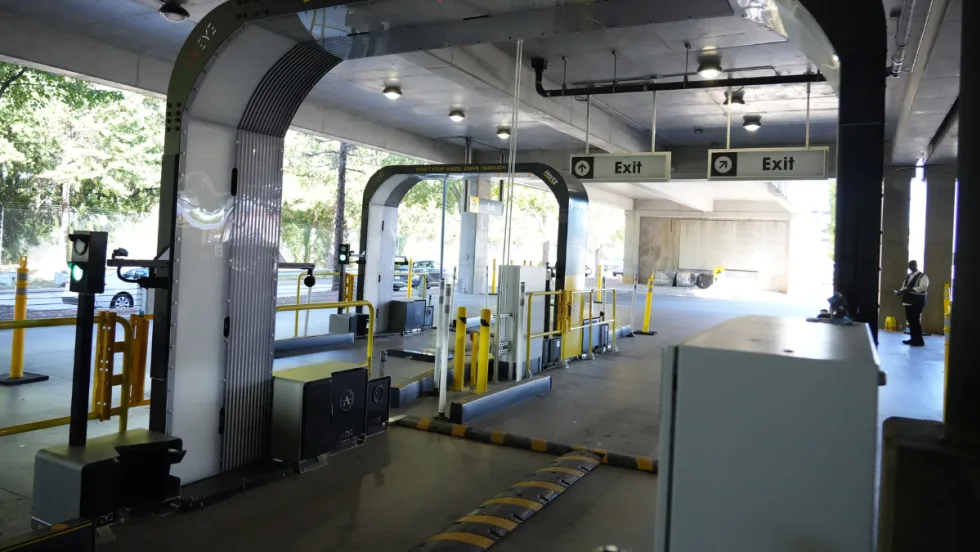
Why Is JFK’s Grandson Interested In Your Rental Fleets?
Car rental operations should follow consistent practices when applying AI to vehicle damage assessments.
Read More →
‘Zero Friction’ Is The New Buzz Phrase for ICRS
This year’s International Car Rental Show hits the hot buttons on industry change and challenges.
Read More →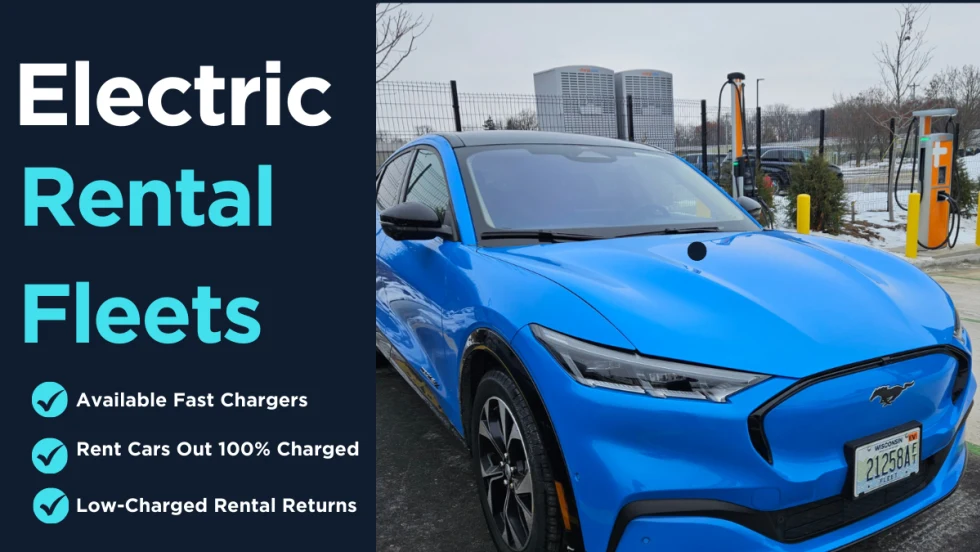
Rental EV Adoption Requires Local, Targeted Approach
The EV frenzy of the last few years has disillusioned the motoring public about going all-electric. Now it’s time to meet the market where it’s at.
Read More →
Why Car Rental Operations Must Use AI To Gain More Renters
A race has started between generations embracing AI and companies willing to adapt it to their operations.
Read More →
Speed Overtakes Car Rental Industry Practices
Technology, data, and digital advances are combining to create a business climate full of information, impatience, and instant results.
Read More →
As Another Year Fades, A Future Industry Vision Crystallizes
Despite the battering of economic forces, the U.S. car rental industry appears fortified against even faster upheaval ahead.
Read More →