




ACRA Carrying Fuller Industry Load As AI and EVs Lurk In Future
What New Tariff Uncertainty Means for Rental Fleet Planning
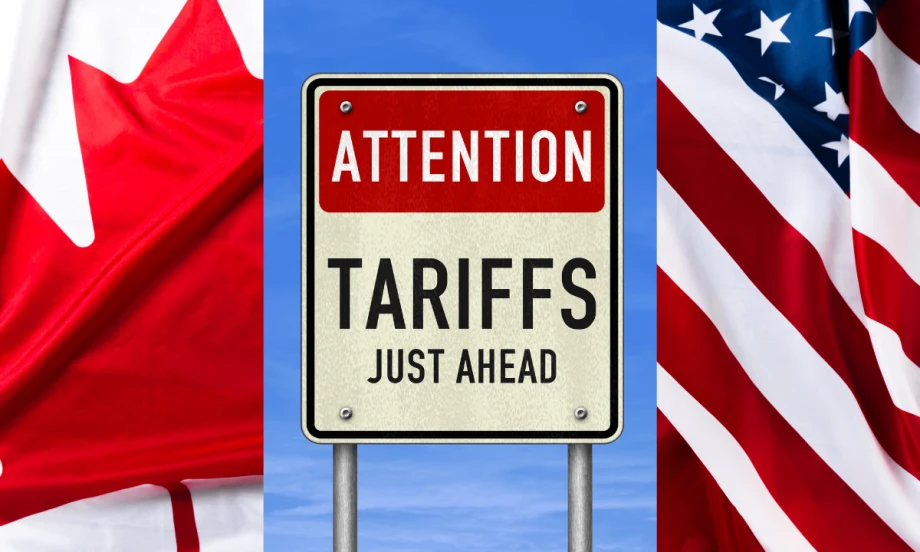
Automakers won’t relocate production overnight, but uncertainty over Canadian tariffs could affect vehicle pricing, sourcing, and allocation well before the proposed Jan. 1 deadline.
August 30, 2026
Of any fleet type, rental operators would feel it most. They buy in concentrated volumes, are highly sensitive to acquisition cost and residual value, and have been the channel OEMs adjust when production or allocation gets tight.
Credit:
Auto Rental News
4 min to read
Autumn is in the air. But if you live around the Great Lakes, the great wind you felt recently was more likely the political rhetoric than the typical autumn gales. (We’ll leave the Lake America controversy out of it for now.)
President Trump’s threat to raise tariffs on Canadian vehicles and auto parts to 50% on Jan. 1, 2027, could eventually alter North American auto production.But we won’t know how all this will play out for months, or longer.
Right now, those gales are producing one thing — uncertainty. Here we go again, right?
Uncertainty, Again
Michael Parr, senior advisor at HillStaffer, identified the consequences of tariffs (if they come to pass) and the uncertainty they will drive a lot sooner:
"The effect will vary enormously by model, assembly location, parts content, OEM response, and whether negotiations change the policy before January," Parr wrote in an email exchange. "But uncertainty itself can affect ordering, pricing, and allocation decisions."
In volatile times, it’s even more important to monitor OEM order banks, model-year pricing, production locations, allocation changes, lead times, parts availability, maintenance costs, and residual values. Parr recommended that all fleet types understand which units have Canadian production or component exposure and identify alternatives, just in case.
In other words, rental fleets don't necessarily need to change their plans today, but they do need to understand what could happen.
Tough Decisions for Automakers
The uncertainty fleets face is playing out on a much larger scale for automakers. Trump was blunt about it: “Build vehicles in the U.S. and you’ll avoid the tariff.”
Yes, tariffs already in place have influenced manufacturing decisions in bringing more production stateside.
But assembly plants and supply chains can’t simply be picked up and moved across the border. Ford has committed $3 billion to prepare Oakville for Super Duty production — additional capacity the company needed because its Kentucky and Ohio truck plants were already heavily utilized.
And even if the 50% tariff takes effect, an automaker has to decide whether it will last long enough to justify another enormous capital investment to avoid it.
"Because of the cost of such supply chain changes and the mercurial nature of recent U.S. trade policy, I doubt we would see major investments unless and until it was clear that high tariffs were going to stick for years," Parr said.
He also noted that all this may change as soon as November, with Congress attempting to reclaim some authority over tariffs.
At what point do automakers make the tough decision to move a production line across the border? No easy or inexpensive answers exist.
"If OEMs respond to the tariffs and ongoing uncertainty by reallocating future models, changing sourcing, delaying investment, or shifting production, those decisions can reshape vehicle availability and fleet procurement well beyond the duration of the tariff dispute," he said.
Rental Fleets Are Caught in the Middle
This surely sounds familiar by now: On the one hand, you have trade policy, which changes quicker than the winds blowing the Edmund Fitzgerald (too soon?).
Then you have automotive manufacturing, which moves much more slowly. Product programs and plant investments involve billions of dollars, with decisions intended to make economic sense for years.
Fleets are between the two. They have vehicles that need to be replaced, budgets that need to be set, and orders that need to be placed now.
If acquisition costs rise or availability tightens, Parr said fleets may respond by extending replacement cycles, which come with their own set of well-documented problems.
The problem, then, isn't merely whether tariffs make a Canadian-built vehicle more expensive; it's making long-term fleet decisions while the rules could change before the tariff arrives.
Automakers have been able to cushion the blow of supply disruptions and tariffs. But cushioning costs don’t eliminate them.
Rather than passing through a tariff dollar for dollar, automakers have maneuvered by adjusting incentives, prioritizing higher-margin vehicles, changing sourcing, limiting fleet allocation (especially to rental), or spreading increases across model years and option packages.
That may prevent fleets from seeing an obvious “tariff surcharge,” but the costs are just spread elsewhere.
Of any fleet type, rental operators would feel it most. They buy in concentrated volumes, are highly sensitive to acquisition cost and residual value, and have been the channel OEMs adjust when production or allocation gets tight.
The Looming Chinese Issue
So, we simply don’t know if the tariff dispute will eventually push more production into the U.S. However, we’ll have to face this music sooner rather than later.
The world already has more automotive manufacturing capacity than current demand requires. In Ezra Klein’s podcast from last week, economist Brad Setser estimated that China alone has installed capacity to produce roughly 55 million vehicles annually, even though it produces far fewer. Europe and North America also have underutilized plants.
As Chinese automakers seek more customers outside China, the pressure on global factory utilization will only grow. Eventually, some plants will gain products, others will lose them, and some will be shuttered forever.
That is the longer-term story behind today's tariff bluster.
For now, however, fleets face a much more immediate problem — making decisions before anyone knows what the rules will be.
Subscribe to Our Newsletter
More Blog Posts
What Happens During a “Day on the Hill?”
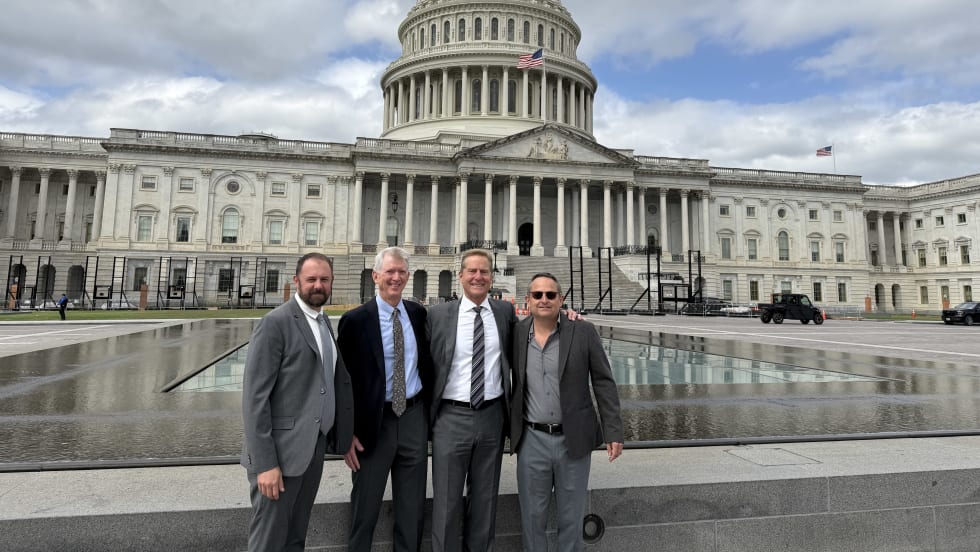
Walking into a congressional office to discuss legislation certainly is outside the normal workday for most of us. But it’s a worthy, fun, and meaningful experience.
Read More →
I'm Back
Life moves forward, as it inevitably does, but it sometimes seems to move in circles too. You end up in a different place, but you never close a door. Because you may walk back through it again.
Read More →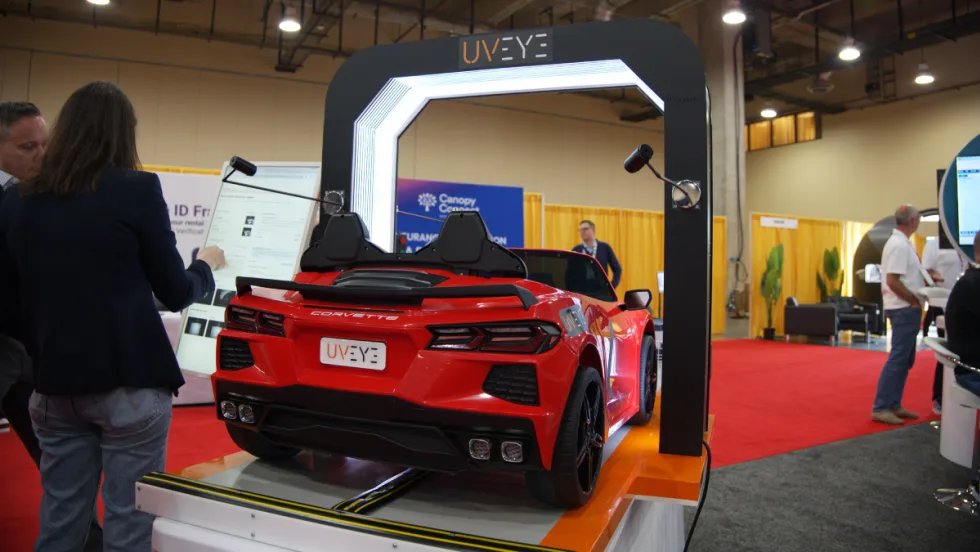
AI Can Supply The Damage Data, But Operators Must Apply The Judgments
The rental car industry held its first open discussion about the most controversial issue of the past year. Here are some key lessons, takeaways, and viewpoints.
Read More →
ICRS 2026 Countered The AI Drama, Thanks To These Panelists
One of my favorite sessions laid out the AI techno-optimism available to rental car operators ready to adapt their services for the decades ahead.
Read More →
Why Is JFK’s Grandson Interested In Your Rental Fleets?
Car rental operations should follow consistent practices when applying AI to vehicle damage assessments.
Read More →
‘Zero Friction’ Is The New Buzz Phrase for ICRS
This year’s International Car Rental Show hits the hot buttons on industry change and challenges.
Read More →
Rental EV Adoption Requires Local, Targeted Approach
The EV frenzy of the last few years has disillusioned the motoring public about going all-electric. Now it’s time to meet the market where it’s at.
Read More →
Why Car Rental Operations Must Use AI To Gain More Renters
A race has started between generations embracing AI and companies willing to adapt it to their operations.
Read More →
Speed Overtakes Car Rental Industry Practices
Technology, data, and digital advances are combining to create a business climate full of information, impatience, and instant results.
Read More →
As Another Year Fades, A Future Industry Vision Crystallizes
Despite the battering of economic forces, the U.S. car rental industry appears fortified against even faster upheaval ahead.
Read More →