




Enterprise Cutting-Edge Environmental Innovations Recognized by Environmental Defense Fund
With the use of the energy-efficient thin client system, ECARS 2.0, Enterprise has cut its annual carbon dioxide emissions by 6.5 million pounds—a reduction of nearly 1,000 pounds of carbon dioxide per branch office per year.
On April 2009, Environmental Defense Fund (EDF) highlighted environmental innovations that are helping companies cut costs, create business opportunities and carve out competitive advantages in a challenging economy. EDF unveiled “Innovations Review 2009: Green Advances for a New Economy” at the Fortune Brainstorm Green Conference, where executives from highlighted companies gathered to discuss how environmental innovations are benefiting their business.
Enterprise was recognized for its use of thin client terminals with its new rental transaction system – a move that streamlines the company’s rental processes and offers significant environmental benefits in the process. The new system – ECARS™ 2.0 – connects the reservations, billing and reporting operations of more than 7,000 Enterprise rental offices around the world. Instead of using personal computers for ECARS™ 2.0, Enterprise deployed a network of 45,000 energy-saving thin client terminals.
Use of the technology will enable Enterprise to cut its annual carbon dioxide emissions by 6.5 million pounds – a reduction of nearly 1,000 pounds of carbon dioxide per branch office per year.
The network of more than 45,000 thin client terminals – operated through 743 terminal servers – connects Enterprise rental offices throughout the U.S., Canada, the United Kingdom, Ireland, Germany and Puerto Rico. Hewlett-Packard helped develop the system, a less expensive and more environmentally friendly approach than the conventional use of PCs.
Thin client terminals use only 13.6 watt-hours and 2.4 watt-hours of electricity in active and passive states, respectively, compared with the 77.1 watt-hours and 1.8 watt-hours consumed by PCs. Over a network of more than 45,000 units, this adds up to significant energy savings with no compromise of operating requirements when comparing the thin client terminal server approach to a full-PC system.
The featured innovations were vetted by EDF and a distinguished panel of experts from the fields of environmental science, law and finance. The final selection includes 15 innovations from around the country. Each innovation was evaluated for environmental benefits, business benefits, replicability and innovativeness.
The Innovations Review also highlights two innovations by EDF and its corporate partners: a Green Portfolio project developed by EDF and private equity firm KKR, and Climate Corps, a program that uses interns to develop energy efficiency investment plans for major corporations. The Review is part of EDF’s broader effort to foster collaboration on corporate environmental innovation through its recently launched Innovation Exchange. Details on all the innovations, as well as multimedia clips, are at available at www.innovation.edf.org.
More Rental Operations
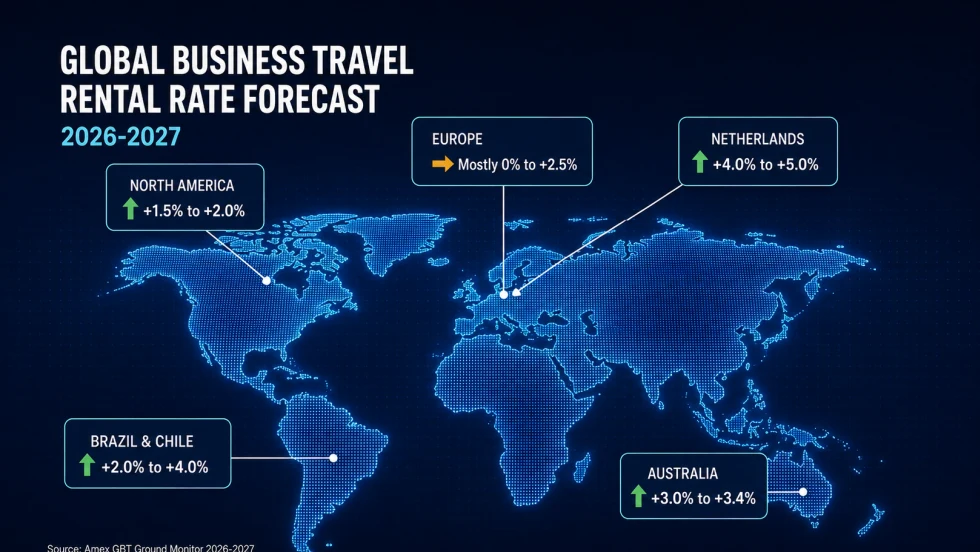
U.S. Business Travel Car Rental Rates Forecast to Rise Up to 2%
Improved fleet supply should limit pricing gains in 2026-27, while insurance, repair costs, and softer residual values continue to pressure rental operations, according to Amex GBT.
Read More →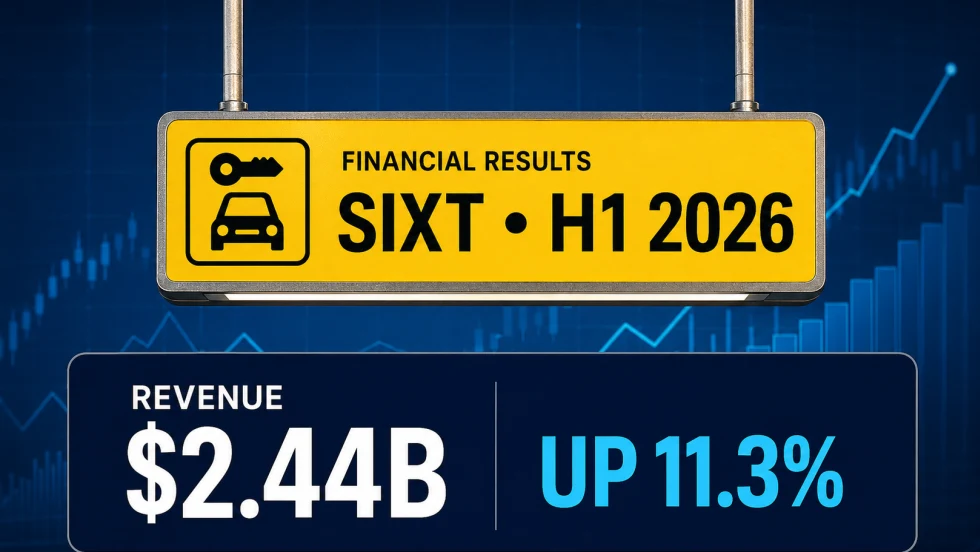
Sixt Revenue Tops $2.4 Billion in First Half of 2026
Sixt’s first-half revenue surpassed $2.4 billion for the first time as demand outpaced fleet growth, lifting utilization and earnings despite weaker consumer sentiment in North America.
Read More →
In Memoriam: Bobby Klyce, Avis Licensee Legend
The longtime Birmingham Avis operator and 2018 Auto Rental News Impact Award recipient was remembered as an advocate for independent licensees and the broader car rental industry.
Read More →
How to Build Custom Fleet Tools With AI and Vibe Coding [Webinar]
A new Automotive Fleet webinar explores how fleet managers are using AI and vibe coding to automate routine work and create simple operational tools without traditional programming skills.
Read More →
Car Rental Rates Forecast to Rise 3.6% in 2026 Before Easing in 2027
Car rental rates are projected to rise less than airfares and hotel rates in 2026, then become the only major travel category forecast to decline in 2027, according to projections from GBTA and ALTOUR.
Read More →
Avis Cuts Fleet as Summer Demand Trails Expectations
Avis Budget Group increased second-quarter earnings despite lower Americas revenue and softer-than-expected summer demand. The company also expanded Avis First and advanced its autonomous fleet operations with Waymo.
Read More →
Why Bookings Are Only the Start of the Rental Day
A reservation captures demand. The operating test is whether the business can keep the customer, vehicle, commercial terms, and next action aligned until the rental is closed.
Read More →
This Is the Oldest Car Rental Advertisement You’ll Ever See
This ad for Saunders Drive it Yourself, believed to be the first car rental company in the U.S., was found in an Omaha phone book from 1926.
Read More →
The Desk Upsell Is Costing Operators More Than it Earns
Counter upsells generate revenue, but they can also slow transactions, erode trust, and cost repeat business. Fully inclusive pricing may offer operators a better path to long-term value.
Read More →
U-Save Expands Indian Ocean Presence with New Master Franchise for Mauritius
The franchise has been acquired by Mauritian travel entrepreneur Umarfarooq Omarjee, an established figure in the island's tourism and mobility sector.
Read More →