



Ford Recalls F-150, Explorer for Loose Seats
The pickup truck and SUV recall covers more than 177,200 2016-MY vehicles in the U.S.
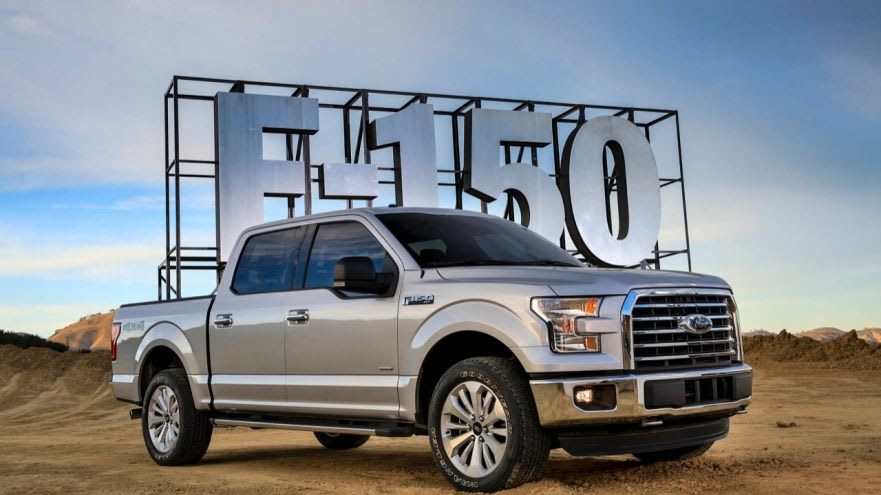
Photo courtesy of Ford.
Photo courtesy of Ford.
Ford Motor Co. is recalling 177,264 2016 Ford F-150 and 2016 Ford Explorer vehicles in the U.S. because the front power seats may not adequately protect occupants during a collision, according to the automaker.
“In affected vehicles, the upper left-hand pivot bolt for the front power seat adjuster may loosen or fall out,” Ford explained in a released statement about the recall. “A front seat cushion with a missing upper left-hand pivot bolt may experience increased movement in a crash and not properly restrain occupants, increasing the risk of injury.”
Ford noted, however, that it isn’t aware of any related accidents or injuries.
To fix the problem, dealers will measure the torque of the power seat track upper pivot link bolt. If the bolt passes the torque inspection, dealers will remove and clean the bolt, apply new threadlock, and reinstall the bolt to the specified torque. This repair will complete the recall.
But if the bolt fails the torque inspection, dealers will add threadlock and reinstall the bolt as an interim repair until the final remedy is available. The final repair will include replacement of the lift link with new bushings and fasteners. All repairs will be performed at no cost to the customer.
In addition to the vehicles recalled in the U.S., 22,620 vehicles will be recalled in Canada and 2,390 will be recalled in Mexico for the same issue. The Ford reference number for this recall is 17S40.
Originally posted on Automotive Fleet
More Rental Operations

How Did This Independent Rental Operator Grow to 170 Vehicles in 4 Years?
With 170 vehicles across three Kentucky locations, Joel Price relies on an overseas team to handle reservations, payments, and after-hours customer service. It's one part of an unconventional approach to growing an independent rental operation.
Read More →
What Does It Take to Succeed in B2B Rentals?
The fundamentals may be familiar to daily car rental operators, but project-based truck rentals put different demands on the fleet and the business.
Read More →
NPR Builds on International Partnerships to Grow Rental Bookings
With Ana Laborde supporting broker development, NPR Auto Group is tailoring distribution strategies, rate packages, and partnerships to grow international reservations across its three brands.
Read More →
Advantage, Sixt Place Among Top Five in Annual Satisfaction Study
While Enterprise and National retain the top spots in JD Power’s 2026 rankings, the latest customer satisfaction results suggest renters can find competitive service beyond the biggest car rental names.
Read More →
The $100,000 Insurance Trap in Exotic Car Rentals
Exotic rental agencies often rely on customers’ personal auto policies to protect six-figure vehicles. But policy language can dramatically change the coverage for vehicles over $100,000 MSRP.
Read More →
The Booking Is Confirmed, But Is Your Customer Ready to Drive?
For international renters, a confirmed reservation doesn’t always mean they’re eligible to drive. Earlier checks can help operators catch documentation and payment issues before the customer reaches the counter.
Read More →
ICRS 2027 Opens Call for Papers
The International Car Rental Show seeks session proposals on the business, operational, and technology issues facing car rental operators. Submissions are due Jan. 15.
Read More →
Turo to Launch Vehicle Delivery Service
Turo Delivered will let travelers search for vehicles that hosts can deliver directly to hotels, homes, airports, train stations, and other locations.
Read More →
Palm Beach Airport Code Change Creates Car Rental Distribution Gap
A test of rental searches under the old PBI and new DJT airport codes returned largely different sets of brands and vehicles, highlighting a potential distribution problem for rental operators.
Read More →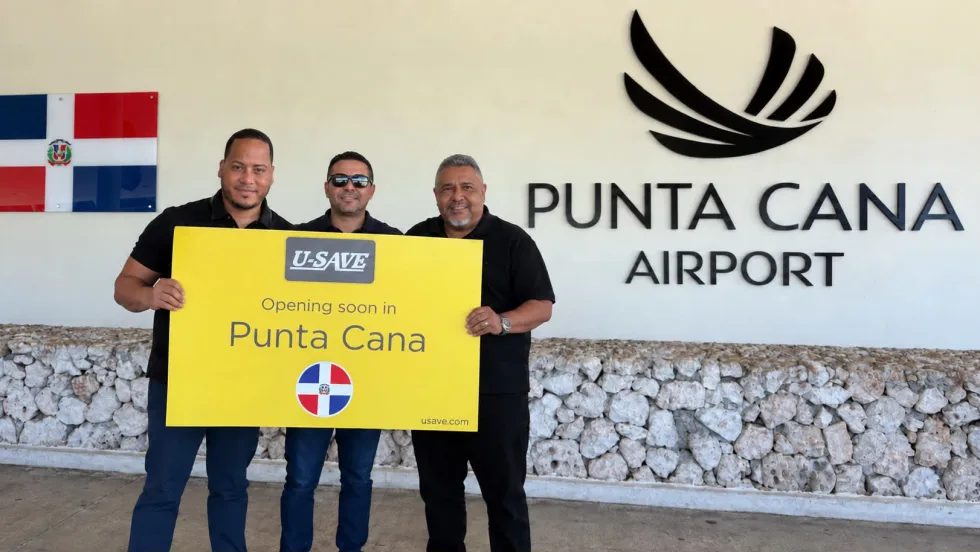
U-Save Continues Dominican Republic Expansion with Launch in Punta Cana
The new franchise location builds on U-Save’s existing Santo Domingo operation and will begin taking reservations for October 2026.
Read More →