




Related: Uber to End Self-Driving Vehicle Testing in Arizona
'Inadequate Safety Culture' to Blame for Uber's Automated Vehicle Crash
During a board meeting held to determine the probable cause of the March 2018 crash in Tempe, Ariz., the NTSB said an Uber Technologies Inc. division’s “inadequate safety culture” contributed to the fatal collision between an Uber automated test vehicle and a pedestrian.
by Staff
November 24, 2019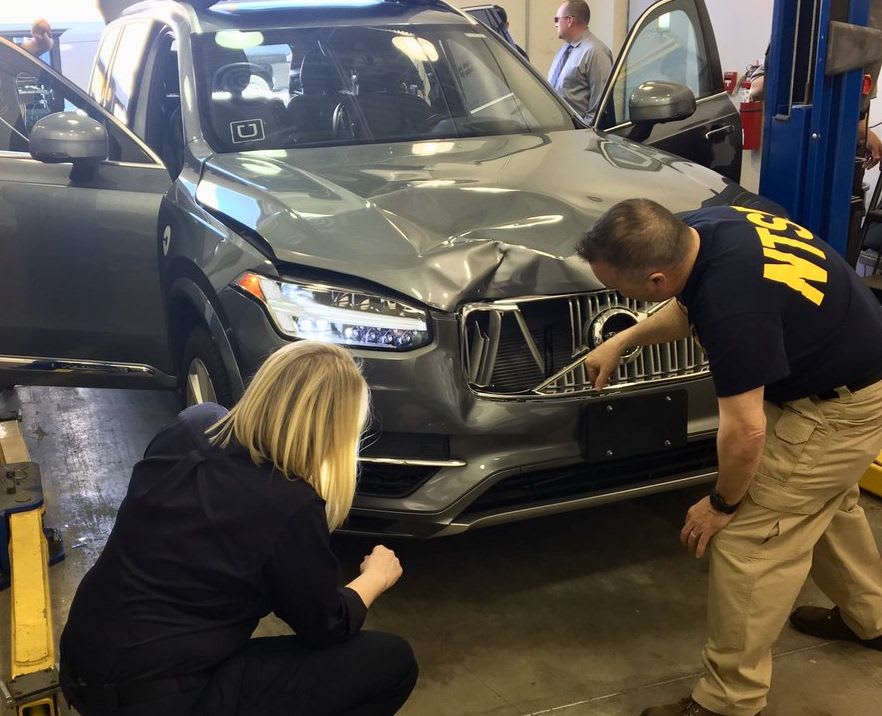
The pedestrian’s impairment at the time of the crash, coupled with crossing outside a crosswalk, contributed to the crash, as did the Arizona Department of Transportation’s insufficient oversight of automated vehicle testing, the NTSB found.
Photo via NTSB/Wikimedia.
3 min to read
The National Transportation Safety Board (NTSB) called upon federal regulators to create a review process before allowing automated test vehicles to operate on public roads, based upon the agency’s investigation of a fatal collision between an Uber automated test vehicle and a pedestrian.
During a board meeting held to determine the probable cause of the March 2018 crash in Tempe, Ariz., the NTSB said an Uber Technologies Inc. division’s “inadequate safety culture” contributed to the fatal collision between an Uber automated test vehicle and a pedestrian. The vehicle operator was uninjured in the crash, the pedestrian died.
Uber’s Advanced Technologies Group had modified the striking vehicle, a 2017 Volvo XC90, with a proprietary developmental automated driving system. The vehicle’s factory-installed forward collision warning and automatic emergency braking systems were deactivated during the operation of the automated system. An Uber ATG operator was in the driver’s seat, but the automated system was controlling the vehicle when it struck the pedestrian at 39 mph.
The NTSB determined the immediate cause of the collision was the failure of the Uber ATG operator to closely monitor the road and the operation of the automated driving system because the operator was visually distracted throughout the trip by a personal cell phone. Contributing to the crash was Uber ATG’s inadequate safety risk assessment procedures, ineffective oversight of the vehicle operators, and a lack of adequate mechanisms for addressing operators’ automation complacency — all consequences of the division’s inadequate safety culture.
The pedestrian’s impairment at the time of the crash, coupled with crossing outside a crosswalk, contributed to the crash, as did the Arizona Department of Transportation’s insufficient oversight of automated vehicle testing, the NTSB found.
Among the investigation’s findings:
The Uber ATG automated driving system detected the pedestrian 5.6 seconds before impact. Although the system continued to track the pedestrian until the crash, it never accurately identified the object crossing the road as a pedestrian — or predicted its path.
Had the vehicle operator been attentive, the operator would likely have had enough time to detect and react to the crossing pedestrian to avoid the crash or mitigate the impact.
While Uber ATG managers had the ability to retroactively monitor the behavior of vehicle operators, they rarely did so. The company’s ineffective oversight was exacerbated by its decision to remove a second operator from the vehicle during testing of the automated driving system.
Uber ATG made several changes to address the deficiencies identified, including implementation of a safety management system.
The NTSB issued a total of six recommendations to the National Highway Traffic Safety Administration, the state of Arizona, the American Association of Motor Vehicle Administrators, and Uber ATG.
The NTSB recommended that NHTSA require entities wishing to test a developmental automated driving system on public roads to submit safety self-assessment plans before being allowed to begin or continue testing and that NHTSA should review the plans to ensure they include appropriate safeguards.
This article was originally posted on Metro Magazine.
Originally posted on Automotive Fleet
More Rental Operations

What Does It Take to Succeed in B2B Rentals?
The fundamentals may be familiar to daily car rental operators, but project-based truck rentals put different demands on the fleet and the business.
Read More →
NPR Builds on International Partnerships to Grow Rental Bookings
With Ana Laborde supporting broker development, NPR Auto Group is tailoring distribution strategies, rate packages, and partnerships to grow international reservations across its three brands.
Read More →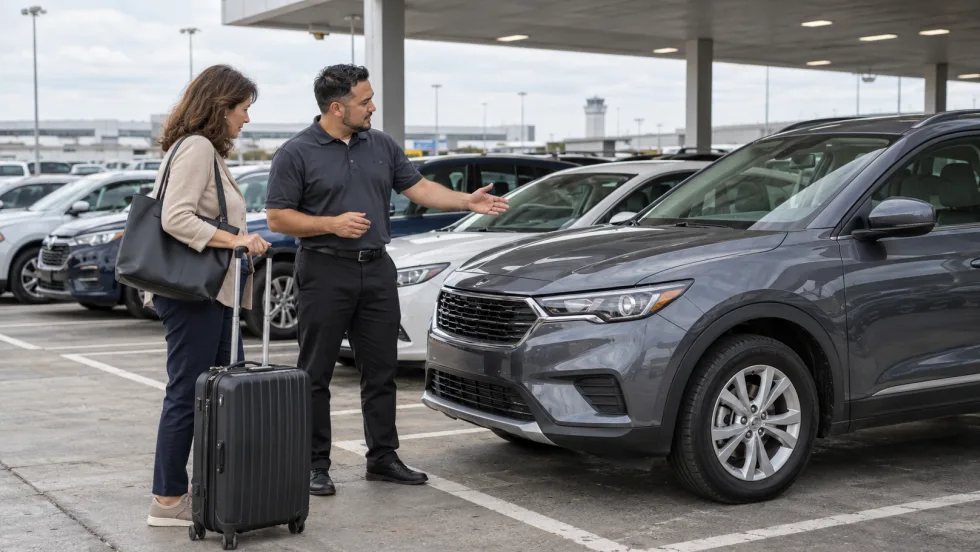
Advantage, Sixt Place Among Top Five in Annual Satisfaction Study
While Enterprise and National retain the top spots in JD Power’s 2026 rankings, the latest customer satisfaction results suggest renters can find competitive service beyond the biggest car rental names.
Read More →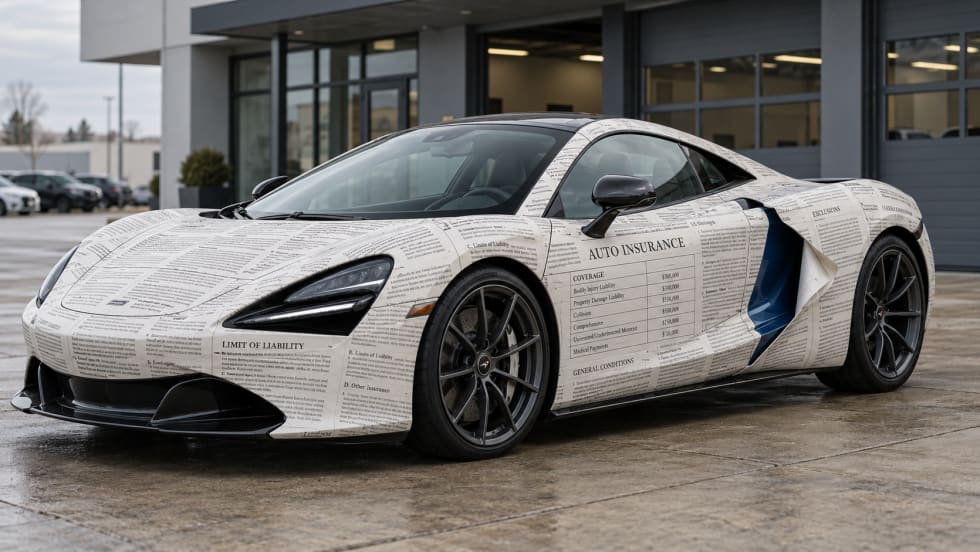
The $100,000 Insurance Trap in Exotic Car Rentals
Exotic rental agencies often rely on customers’ personal auto policies to protect six-figure vehicles. But policy language can dramatically change the coverage for vehicles over $100,000 MSRP.
Read More →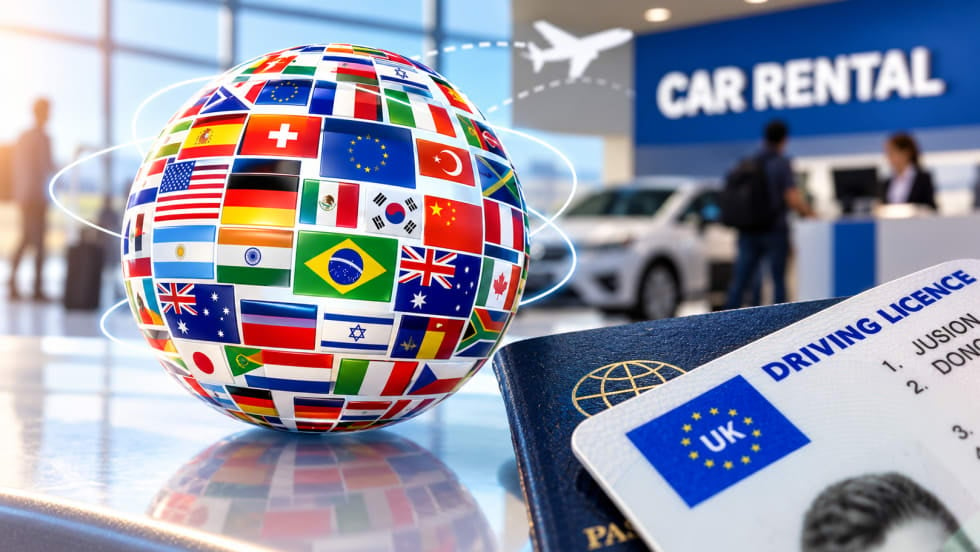
The Booking Is Confirmed, But Is Your Customer Ready to Drive?
For international renters, a confirmed reservation doesn’t always mean they’re eligible to drive. Earlier checks can help operators catch documentation and payment issues before the customer reaches the counter.
Read More →
ICRS 2027 Opens Call for Papers
The International Car Rental Show seeks session proposals on the business, operational, and technology issues facing car rental operators. Submissions are due Jan. 15.
Read More →
Turo to Launch Vehicle Delivery Service
Turo Delivered will let travelers search for vehicles that hosts can deliver directly to hotels, homes, airports, train stations, and other locations.
Read More →
Palm Beach Airport Code Change Creates Car Rental Distribution Gap
A test of rental searches under the old PBI and new DJT airport codes returned largely different sets of brands and vehicles, highlighting a potential distribution problem for rental operators.
Read More →
U-Save Continues Dominican Republic Expansion with Launch in Punta Cana
The new franchise location builds on U-Save’s existing Santo Domingo operation and will begin taking reservations for October 2026.
Read More →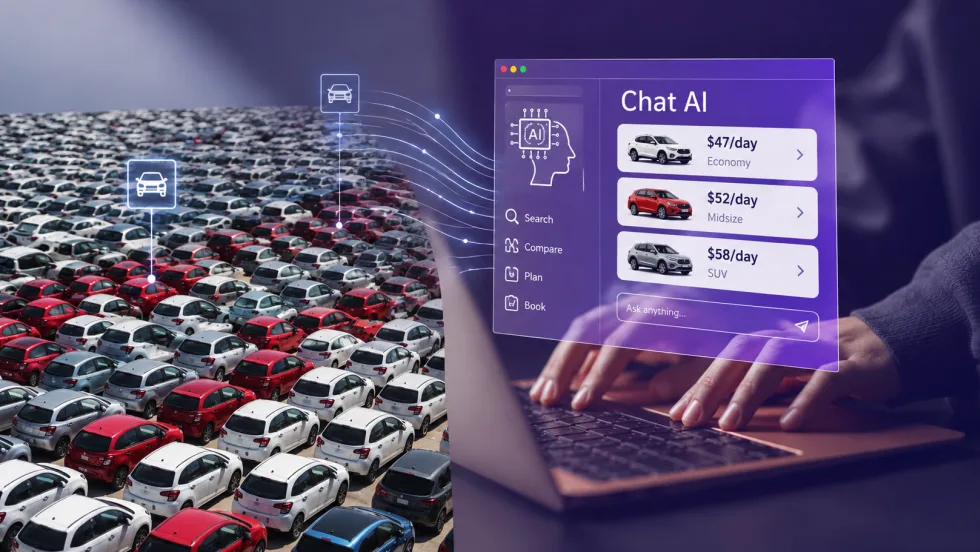
When AI Books the Rental Car, Who Controls the Sale?
As AI moves from comparing rental rates to completing transactions, operators need to understand how travelers find, interpret, rank, and ultimately see their offers. (Part 2 of 2.)
Read More →