




More U.S. Workers Feel Guilty for Taking Vacation
Around half (49%) of all American workers report being made to feel shame or guilt by co-workers for taking vacation compared with 47% in last year’s Alamo Family Vacation Survey.
Photo via Atomic Taco/Flickr
Photo via Atomic Taco/Flickr
U.S. workers are feeling more guilt than ever before about planning and taking their vacations, according to the 2017 Alamo Rent A Car Family Vacation Survey. Overall, around half (49%) of all American workers report feeling vacation shamed — being made to feel shame or guilt by co-workers for taking a vacation — compared with only 47% in the 2016 Alamo Family Vacation Survey.
Vacation shaming is particularly on the rise among millennials. In 2017, significantly more employed millennials reported feeling guilty for planning and taking a vacation (68% vs. 59% in the 2016 study) — a 19% year-over-year increase, according to the survey.
Millennials are more likely than non-millennials to say that vacation shaming would likely keep them from planning or going on a vacation (40% vs. 17%). On the other hand, millennials report that they’re significantly more likely than older generations to shame their own co-workers (33% vs. 14%).
For the first time, Alamo’s annual research indicates that fewer than half of all workers — only 47% — are using all of their paid vacation days, compared with 60% in the 2015 study and 57% in the 2016 study. Equally surprising, just one in five (18%) workers use all of their vacation days to actually go on a vacation, as opposed to activities such as staying home and running errands.
While roughly half (49%) of American workers continue to believe the most important benefit of traveling together as a family is spending quality time together, nearly two-thirds (65%) of working families say they put at least some amount of pressure on themselves to work while on family vacations. About half (48 percent) of working families say they work on family vacations because they don’t want to come back to a mountain of work, with moms more likely to say this than dads (52 percent vs. 38 percent).
“Our research shows roughly one in four U.S. workers say the biggest benefit of vacation is feeling less stressed at work — yet, the majority still choose to limit their vacation days and forgo some much-needed rest and relaxation,” said Rob Connors, vice president of brand marketing for Alamo Rent A Car. “This year’s survey suggests that American workers are putting a lot of pressure on themselves in workplaces when it comes to planning and taking vacations, especially in vacation-shaming environments.”
“Alamo’s commitment to helping families make the most of their vacations extends across all aspects of what we do,” added Connors. “In fact, we created The Scenic Route on Alamo.com in order to share travel tips, guides, and inspiration with families so they can enjoy all the benefits that come from taking time away to relax.”
The 2017 Alamo Family Vacation Survey was conducted from Jan. 5-10, 2017, with 2,100 adults from the 50 states and the District of Columbia. Participants had to be at least 18 years of age or older and taken one or more trips with their immediate family and/or extended family in the past five years.
More Rental Operations
The Booking Is Confirmed, But Is Your Customer Ready to Drive?
For international renters, a confirmed reservation doesn’t always mean they’re eligible to drive. Earlier checks can help operators catch documentation and payment issues before the customer reaches the counter.
Read More →
ICRS 2027 Opens Call for Papers
The International Car Rental Show seeks session proposals on the business, operational, and technology issues facing car rental operators. Submissions are due Jan. 15.
Read More →
Turo to Launch Vehicle Delivery Service
Turo Delivered will let travelers search for vehicles that hosts can deliver directly to hotels, homes, airports, train stations, and other locations.
Read More →
Palm Beach Airport Code Change Creates Car Rental Distribution Gap
A test of rental searches under the old PBI and new DJT airport codes returned largely different sets of brands and vehicles, highlighting a potential distribution problem for rental operators.
Read More →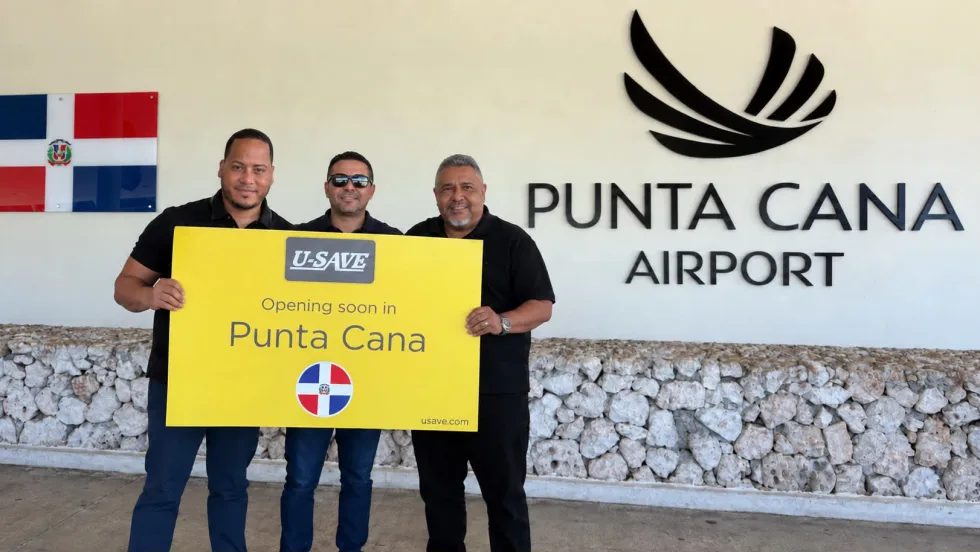
U-Save Continues Dominican Republic Expansion with Launch in Punta Cana
The new franchise location builds on U-Save’s existing Santo Domingo operation and will begin taking reservations for October 2026.
Read More →
When AI Books the Rental Car, Who Controls the Sale?
As AI moves from comparing rental rates to completing transactions, operators need to understand how travelers find, interpret, rank, and ultimately see their offers. (Part 2 of 2.)
Read More →
European Booked Car Rental Rates Fell 5%, Results Varied by Country
Ireland, Cyprus, and the United Kingdom saw steep declines, while booked rates rose in Poland and Hungary.
Read More →
Is It Time to Rethink Rental Categories?
As traditional economy and compact cars disappear from the market, longtime rental operator Mike DeLorenzo asks whether the industry’s familiar vehicle categories still make sense — and what operators need to rethink along with them.
Read More →
Who Owns the Rate? AI Is Creating a New Distribution Problem for Car Rental
Generative Engine Optimization asks whether AI can find a rental company, but operators also need to know whether the agent inspected enough of the market, compared equivalent offers, and presented a rate the traveler can actually book. (Part 1 of 2)
Read More →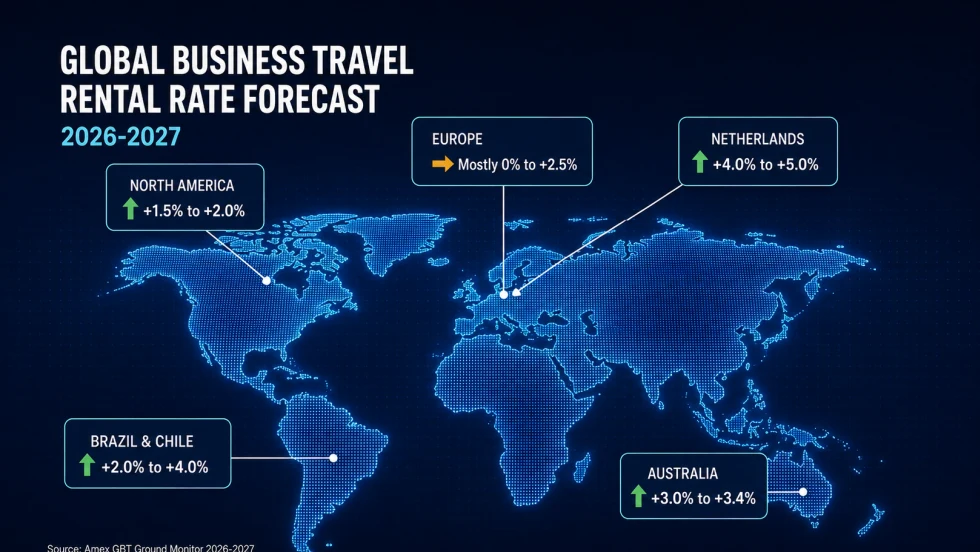
U.S. Business Travel Car Rental Rates Forecast to Rise Up to 2%
Improved fleet supply should limit pricing gains in 2026-27, while insurance, repair costs, and softer residual values continue to pressure rental operations, according to Amex GBT.
Read More →