




N.Y. Senate Mulling Truck Rental Security Bill
ALBANY, N.Y. --- The New York State Senate is considering legislation that would impose security-related mandates on truck rental companies — a move that at least one industry association is concerned with, fearing a hodgepodge of state regulations on interstate operations.
ALBANY, N.Y. --- The New York State Senate is considering legislation that would impose security-related mandates on truck rental companies.
Sen. Michael Balboni originally introduced SB 4495 in May 2005. Since then, the bill has been amended and reintroduced to reflect changes in the law. A timeline for consideration is uncertain at this time.
The bill would require five things from companies that rent vans, trucks or trailers. First, they would have to register with the state. Records would have to be maintained for a period of two years. All customers would be required to present a driver’s license and one additional form of identification. "Meaningful assurances" would have to be made to verify customers’ identification. Lastly, rental agreements would need to disclose that possibility that customers’ names could be checked against terrorist watch lists.
According to the bill, the New York Office of Homeland Security would have to develop and promote a best practices guide for truck rental companies operating in the state. Sen. Balboni is the chairman of the Senate Committee on Veterans, Homeland Security and Military Affairs.
The Truck Renting and Leasing Association has concerns about legislation that would impose a state-by-state mélange of varying security standards and mandates on the interstate operations of truck renting and leasing companies. TRALA shared with Sen. Balboni’s office actions already taken by the industry in cooperation with the federal government. Initiatives include the publication and distribution of Safeguarding America’s Transportation System – A security Guide for Truck Rental Company Employees, and the Truck Renting and Leasing Security Awareness and Self-Assessment Guide.
More Rental Operations
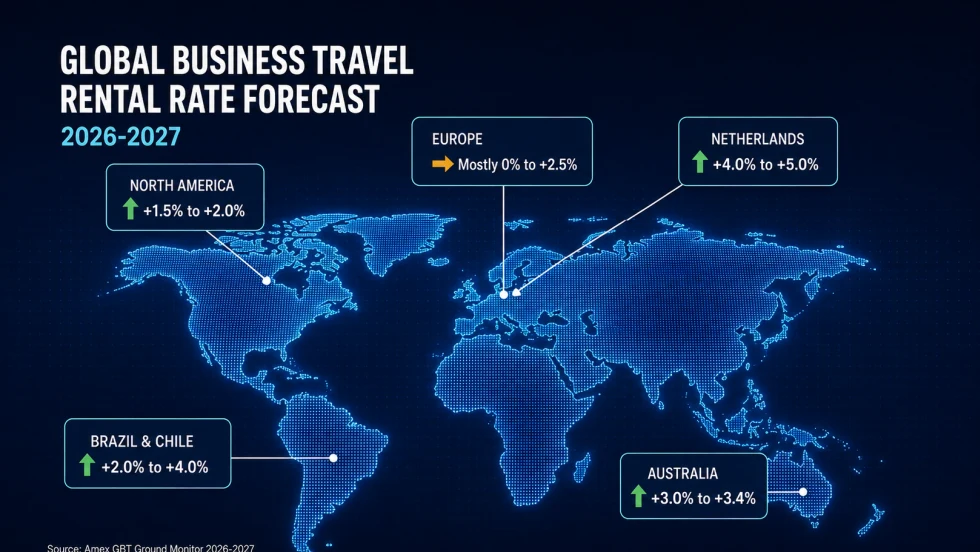
U.S. Business Travel Car Rental Rates Forecast to Rise Up to 2%
Improved fleet supply should limit pricing gains in 2026-27, while insurance, repair costs, and softer residual values continue to pressure rental operations, according to Amex GBT.
Read More →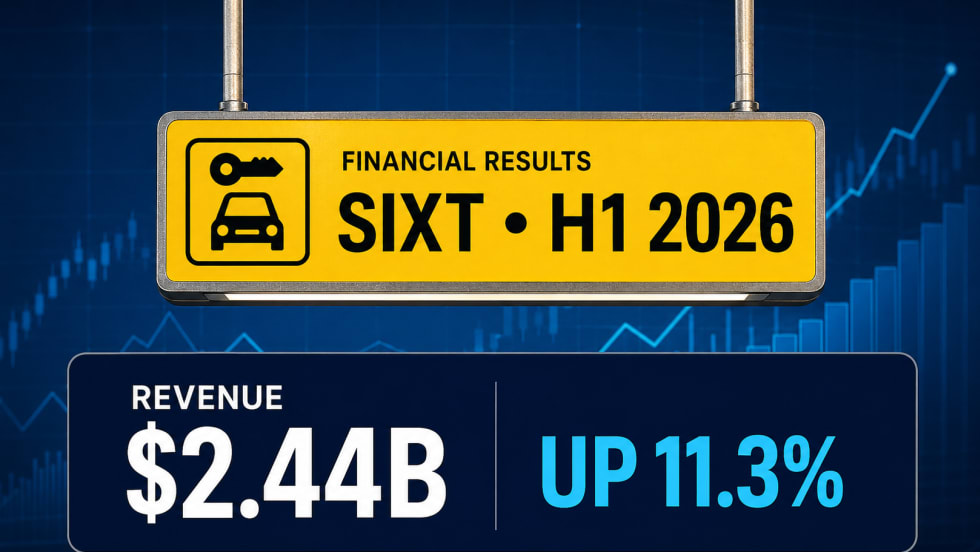
Sixt Revenue Tops $2.4 Billion in First Half of 2026
Sixt’s first-half revenue surpassed $2.4 billion for the first time as demand outpaced fleet growth, lifting utilization and earnings despite weaker consumer sentiment in North America.
Read More →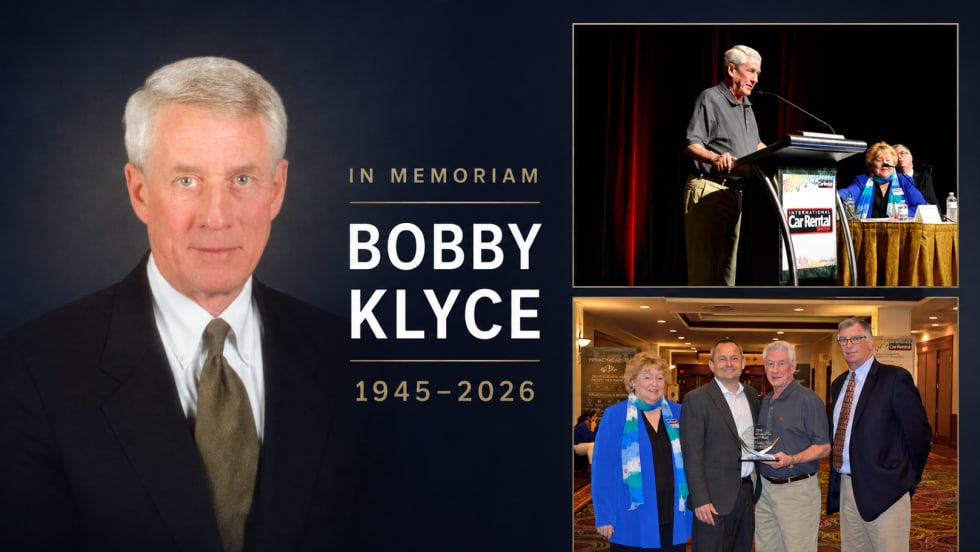
In Memoriam: Bobby Klyce, Avis Licensee Legend
The longtime Birmingham Avis operator and 2018 Auto Rental News Impact Award recipient was remembered as an advocate for independent licensees and the broader car rental industry.
Read More →
How to Build Custom Fleet Tools With AI and Vibe Coding [Webinar]
A new Automotive Fleet webinar explores how fleet managers are using AI and vibe coding to automate routine work and create simple operational tools without traditional programming skills.
Read More →
Car Rental Rates Forecast to Rise 3.6% in 2026 Before Easing in 2027
Car rental rates are projected to rise less than airfares and hotel rates in 2026, then become the only major travel category forecast to decline in 2027, according to projections from GBTA and ALTOUR.
Read More →
Avis Cuts Fleet as Summer Demand Trails Expectations
Avis Budget Group increased second-quarter earnings despite lower Americas revenue and softer-than-expected summer demand. The company also expanded Avis First and advanced its autonomous fleet operations with Waymo.
Read More →
Why Bookings Are Only the Start of the Rental Day
A reservation captures demand. The operating test is whether the business can keep the customer, vehicle, commercial terms, and next action aligned until the rental is closed.
Read More →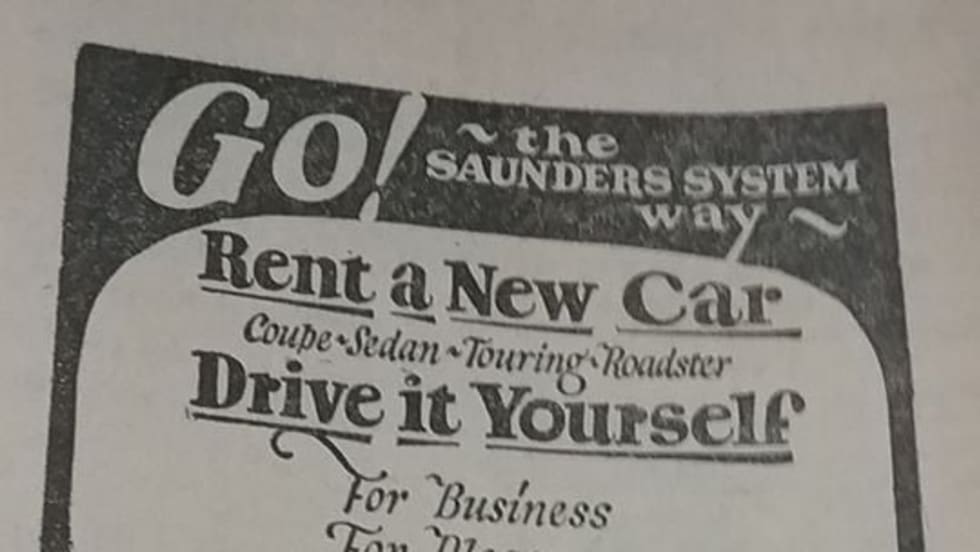
This Is the Oldest Car Rental Advertisement You’ll Ever See
This ad for Saunders Drive it Yourself, believed to be the first car rental company in the U.S., was found in an Omaha phone book from 1926.
Read More →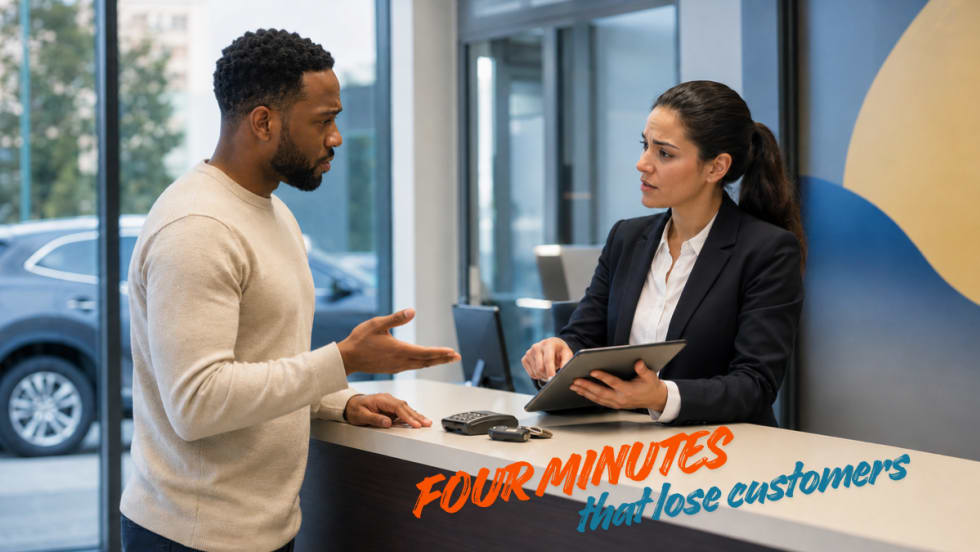
The Desk Upsell Is Costing Operators More Than it Earns
Counter upsells generate revenue, but they can also slow transactions, erode trust, and cost repeat business. Fully inclusive pricing may offer operators a better path to long-term value.
Read More →
U-Save Expands Indian Ocean Presence with New Master Franchise for Mauritius
The franchise has been acquired by Mauritian travel entrepreneur Umarfarooq Omarjee, an established figure in the island's tourism and mobility sector.
Read More →