



Sustainable Business Travel Initiatives Increase in Europe
The majority (57%) of European-based companies have sustainability initiatives written into their company’s travel policy, according to a Global Business Travel Association (GBTA) Foundation study.

The majority of European-based companies have sustainability initiatives written into their company’s travel policy. Photo via Alessandro Prada/Flickr.

The majority of European-based companies have sustainability initiatives written into their company’s travel policy. Photo via Alessandro Prada/Flickr.
The majority (57%) of European-based companies have sustainability initiatives written into their company’s travel policy, according to a new study on sustainability in travel programs by the Global Business Travel Association (GBTA) Foundation.
This marks an increase from 39% in 2012; it’s largely attributable to the financial benefits, as well as safety and security enhancements delivered by the programs, according to the GBTA.
The study also found that more U.S. companies are incorporating sustainability programs into contracts (from 11% in 2011 to 19%), but they continue to lag behind European counterparts.
“Overall, sustainability initiatives appear to be more integrated in Europe-based organizations, with opportunity for improvement among U.S.-based organizations,” said Joseph Bates, GBTA Foundation’s vice president of research. “We found that European companies are focused on efforts that result in both financial and environmental benefits, while American companies have a strong focus on the human relations aspect of sustainability.”
Here are some highlights of the study, according to the GBTA:
The majority of European travel managers (52%) think sustainability is now more important to their organization compared to two years ago.
Nearly half of Europeans companies find the environmental impact of car rental and rail suppliers to be very important/important (44%, each).
Safety and security considerations are the biggest driver of sustainability investments in both regions (72% in the U.S. and 74% in Europe). Long-term cost savings (71%) ranked second in Europe, while American companies were focused on contributing to society (68%).
GBTA’s “Sustainability in Travel Programs” study was sponsored by Enterprise Holdings, owner and operator of the Enterprise Rent-A-Car, National Car Rental and Alamo Rent A Car brands. Nearly 300 U.S. and European-based travel managers were surveyed to better understand how they currently view sustainability initiatives and the role sustainability plays with ground transportation.
“It does not surprise me to see sustainability issues rising up the agenda for travel managers,” said Jim Burrell, senior vice president for Enterprise Holdings in Europe. “Sustainability within the travel supply chain has been a core component of contractual discussions for a number of years. However, there is a definite shift to this becoming more about measurement and impact than just a ‘nice to have’.”
More Rental Operations

Hertz, Avis: Parsing the Q3 Headwinds and Tailwinds
Third-quarter results from Hertz and Avis show resilient pricing despite softer travel demand. Meanwhile, higher operating costs, recalls, uneven vehicle depreciation, and international weakness continue to put pressure on profits.

How Better Cleaning Processes Improve Rental Fleet Efficiency
A consistent approach to vehicle cleaning helps rental operators reduce turnaround delays and return vehicles to service without compromising cleanliness.

Clean on Paper: Red Flags in Exotic Car Rental Verification
A suspicious $45,000 Lamborghini booking reveals the strengths and limitations of renter verification, from forged insurance documents to coverage gaps and unauthorized drivers. (Part 2 of 3)
Turo and Tesla Take the Next Step Toward Autonomous Car Rentals
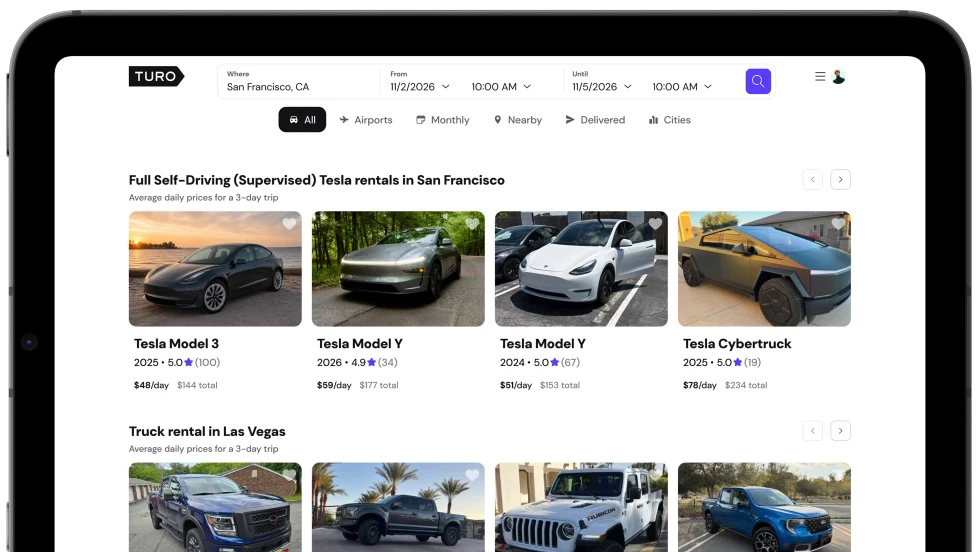
The partnership brings Tesla's Full Self-Driving (Supervised) technology into the rental experience, offering a glimpse of how increasingly automated vehicles could change car rental.
How Rental Operators Can Navigate Personalized Pricing Rules
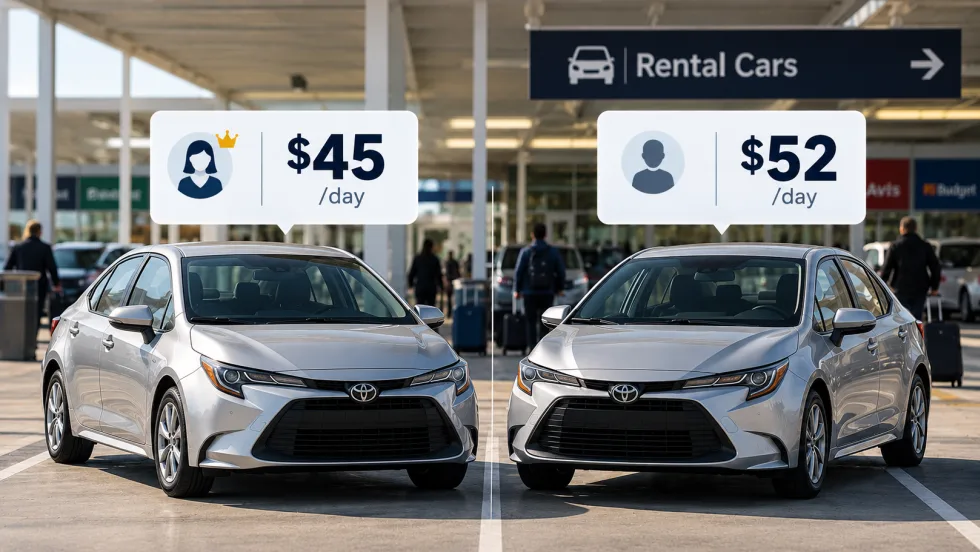
As regulators scrutinize the use of customer data in pricing, rental operators need to know whether they can explain why one renter pays more than another.

Direct, Broker or Hybrid? How Travel Retailers Source Rental Cars
As travel retailers weigh direct supplier relationships against third-party distribution, rental operators need to understand how those decisions affect their business.

How Did This Independent Rental Operator Grow to 170 Vehicles in 4 Years?
With 170 vehicles across three Kentucky locations, Joel Price relies on an overseas team to handle reservations, payments, and after-hours customer service. It's one part of an unconventional approach to growing an independent rental operation.

What Does It Take to Succeed in B2B Rentals?
The fundamentals may be familiar to daily car rental operators, but project-based truck rentals put different demands on the fleet and the business.

NPR Builds on International Partnerships to Grow Rental Bookings
With Ana Laborde supporting broker development, NPR Auto Group is tailoring distribution strategies, rate packages, and partnerships to grow international reservations across its three brands.

Advantage, Sixt Place Among Top Five in Annual Satisfaction Study
While Enterprise and National retain the top spots in JD Power’s 2026 rankings, the latest customer satisfaction results suggest renters can find competitive service beyond the biggest car rental names.