




Mobility and Car Rental: Six Near-Term Trends
Where is car rental headed with initiatives surrounding Mobility as a Service offerings, fleet management of autonomous vehicles, subscription services, and a rental fleet that connects it all?


For car rental companies, connectivity drives dynamic fleet planning, allowing managers to view inventory in real time, diagnose maintenance issues, analyze driving behavior, pinpoint fuel levels, and launch geolocated marketing campaigns.
Photo via iStockPhoto/Karneg.
Car rental companies were “mobility providers” before the term was chic. As the processors of millions of transactions and as managers of the world’s largest global vehicle fleets, there has always been an interest in how car rental is meeting transportation needs.
This interest has heightened recently, as the way get around is changing more rapidly than any other time in history. Here’s a look at car rental’s involvement in these new trends in the market.
1. The move to connect entire rental fleets continues apace, but the transformational benefits won’t be realized this year.
The major car rental companies are in the midst of a massive initiative to connect their rental fleets. This isn’t about connecting vehicles to the grid (V2X), at least initially. It’s about installing in-vehicle telematics that allows operators to track units, ascertain vehicle diagnostics, and access the vehicle remotely. These installations happen in the aftermarket, though the process, thankfully, is beginning to migrate upstream to the factory.
For consumers, this connectivity advances the ability to manage an on-demand, decentralized rental experience through an app. For car rental companies, connectivity drives dynamic fleet planning, allowing managers to view inventory in real time, diagnose maintenance issues, analyze driving behavior, pinpoint fuel levels, and launch geolocated marketing campaigns.
Avis connected 100,000 units by the end of 2018 and aims to connect its entire global fleet by 2020. Enterprise Holdings is in the midst of connecting more than 100,000 units of its General Motors fleet this year. As of its last public announcement, Europcar had 35,000 units connected. Hertz is piloting a small program in rental vehicles using telematics technology developed through Donlen, its fleet management division.
The ultimate goal of connectivity is to interpret the data to drive efficiencies — but we haven’t yet scratched the surface.
On Avis Budget Group’s Q4 2018 conference call, Avis chief Larry De Shon said he sees a future in which rental car data will go so far as to inform smart city planning. But he admitted the company was “still very much in the beginning stages” of being able to mine the data.
On Hertz’s Q4 call, CEO Kathryn Marinello said the real benefits of connectivity will come with integration with the company’s new enterprise technology platform, which will take time. While Hertz may be behind in the unit installation race, Hertz is ready to leverage Donlen’s established market intelligence in telematics.
The commercial fleet world has been reaping the benefits from telematics for years — it’s about time rental jumps aboard.
2. TNC rentals are good business — and the market is still growing.
When the concept of ride-hailing started to take off, even as it took a bite out of one-day transactions, rental companies grasped Uber and Lyft drivers’ need for reliable transportation. But with high mileage and high utilization, renting to Transportation Network Company (TNC) drivers don’t make sense for everyone, and some backed away from the market.
Hertz stayed in and found a sweet spot for profitability, funneling de-fleeted rental units with 40,000 miles and even some off-lease vehicles into this market. Hertz exits those units at about 70,000 miles, which offers great margins for their retail sales channels, Marinello said on the Q4 call.
In 2018, Hertz earned almost $300 million from its TNC business, more than doubling its 2017 earnings in the arena. Hertz fleeted 42,000 vehicles to TNC drivers in 2018 and plans to grow that by 30% to 40% in the coming year, according to Marinello.
Meanwhile, Avis is under a multi-year agreement with Lyft to supply vehicles to its in-house rental program, Lyft Express Drive, with an expansion planned.
3. P2P partnerships are forming, but legislative issues stand in the way.
Peer-to-peer (P2P) rental networks such as Turo and Getaround are growing, offering suppliers an opportunity to put underutilized assets on the road. Meanwhile HyreCar, a P2P platform for TNC drivers, has seen exponential growth and is now a public company.
Avis has invested in Fetch, a self-service, on-demand truck rental company, and has made Budget trucks available to rent through the Fetch network. Established independents such as Carls Vans are also now supplying the Fetch platform.
While the original P2P model focused on individual consumers putting their personal cars on these platforms, there is a growing cadre of independent entrepreneurs buying cars specifically as a business opportunity. They’re even branding themselves as car rental companies, though they strictly rent through the P2P portals.
Some independent car rental companies have also found success as P2P suppliers. Yet legislative battles over taxation and regulation of P2P continues in various jurisdictions. Until these issues are settled, further large scale integrations appear unlikely.
4. A car rental diversification strategy is starting to emerge, and it’s called FMaaS.
Full-blown autonomous vehicles won’t be taking over roadways in great numbers soon, but the jockeying for position to manage autonomous fleets has started. The car rental majors think they’re in a pretty good position to be the Fleet Management as a Service (FMaaS) providers of the future.
Avis partnered with Waymo in 2017 to manage the vehicles for its self-driving pilot in Arizona. The partnership is allowing Avis to connect with the autonomous players and understand the dynamics of autonomous vehicles.
Autonomous vehicles aren’t ready for prime time, so the action is mostly in the messaging right now. However, in a move with practical implications for today, Avis has also partnered with ViaVan, an on-demand van pooling service, for fleet management services in the U.K.
Look for similar partnerships with new mobility players as they come online. Other competitors are making their intentions known, as this video from global fleet management provider LeasePlan attests.
5. Car rental hasn’t connected fully with MaaS because MaaS isn’t fully formed.
In general, Mobility as a Service (Maas) entails providing the right mode of transportation based on the characteristics of the journey. In practical form, the traveler plans a trip through a single app that manages modes such as carsharing, micro-mobility options, and public transportation.
Is car rental at this table? A few years ago, Avis piloted a program with DiDi, the Uber of China, to make Avis cars available for rent on the DiDi app. More recently, Avis has formed a partnership to make Avis and Zipcar vehicles available at train stations in South Florida.
In Europe, Sixt is offering corporations a “pay as you use” mobility service model as an alternative to the company car for the right circumstances. Meanwhile, Europcar has joined the Mobility as a Service Alliance to promote these integrations.
The Valhalla of MaaS — an app-based solution that integrates multiple modes — has been talked about for years, yet it hasn’t come close to mass adoption. Competing interests from mobility stakeholders, particularly when offering car-based transportation as an alternative to public mass transport, is making this harder to implement than originally thought.
6. Car rental might be the provider best suited to offer a subscription service.
It was only a matter of time until the subscription e-commerce model migrated to the automotive world. Yet subscribing to a car is a lot more complicated than subscribing to razors or movies.
Vehicle subscription services are offered by automakers, auto dealers, and third-party technology companies. For automakers and their dealers, the “flip” model must be layered into their transactional sales model. Tech companies have built intelligent platforms but must acquire fleet management skills that dealers and automakers already have.
Car rental, on the other hand, is in the business of flipping cars in much shorter increments. Some smaller car rental companies are testing the market with types of subscription services, though the major car rental companies have not launched any programs.
As a subscription service’s longer transaction length doesn’t compete with daily rental, subscription services might allow a new customer base for car rental companies. Whether they’ll jump into the market in full force remains to be seen.
More Blog Posts

What Happens During a “Day on the Hill?”
Walking into a congressional office to discuss legislation certainly is outside the normal workday for most of us. But it’s a worthy, fun, and meaningful experience.
Read More →
What New Tariff Uncertainty Means for Rental Fleet Planning
Automakers won’t relocate production overnight, but uncertainty over Canadian tariffs could affect vehicle pricing, sourcing, and allocation well before the proposed Jan. 1 deadline.
Read More →
I'm Back
Life moves forward, as it inevitably does, but it sometimes seems to move in circles too. You end up in a different place, but you never close a door. Because you may walk back through it again.
Read More →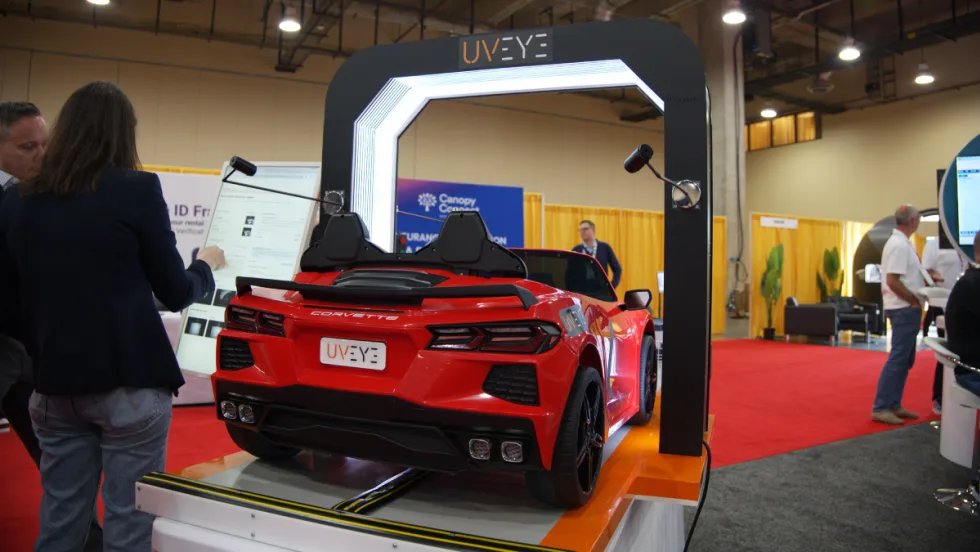
AI Can Supply The Damage Data, But Operators Must Apply The Judgments
The rental car industry held its first open discussion about the most controversial issue of the past year. Here are some key lessons, takeaways, and viewpoints.
Read More →
ICRS 2026 Countered The AI Drama, Thanks To These Panelists
One of my favorite sessions laid out the AI techno-optimism available to rental car operators ready to adapt their services for the decades ahead.
Read More →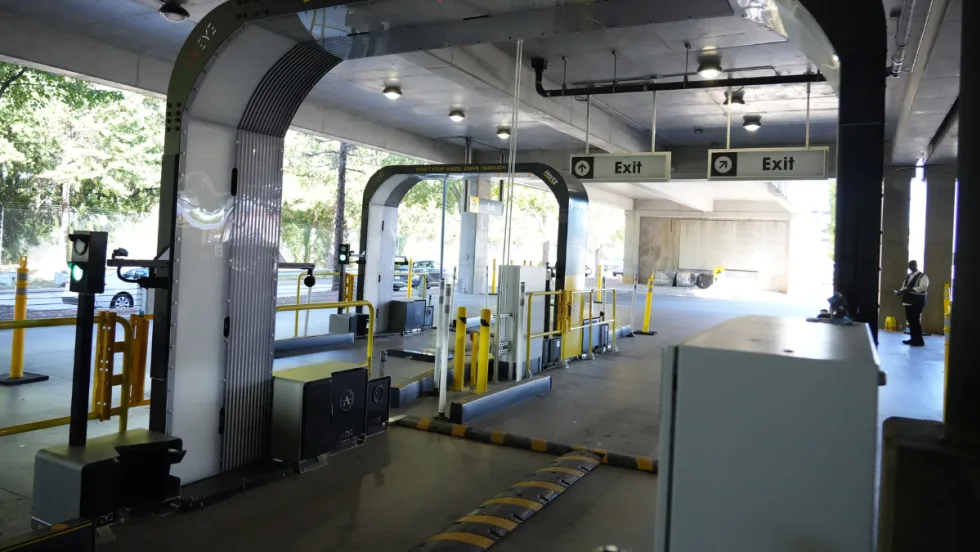
Why Is JFK’s Grandson Interested In Your Rental Fleets?
Car rental operations should follow consistent practices when applying AI to vehicle damage assessments.
Read More →
‘Zero Friction’ Is The New Buzz Phrase for ICRS
This year’s International Car Rental Show hits the hot buttons on industry change and challenges.
Read More →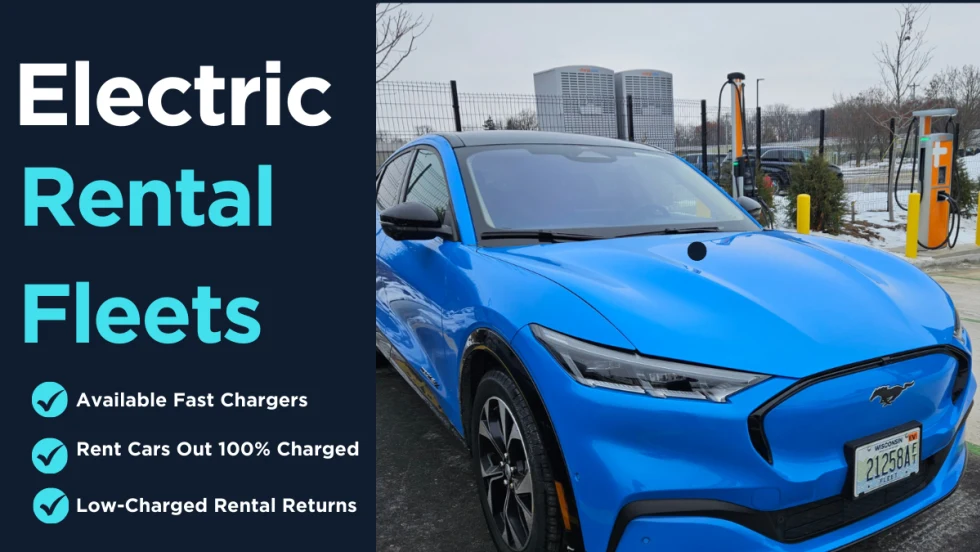
Rental EV Adoption Requires Local, Targeted Approach
The EV frenzy of the last few years has disillusioned the motoring public about going all-electric. Now it’s time to meet the market where it’s at.
Read More →
Why Car Rental Operations Must Use AI To Gain More Renters
A race has started between generations embracing AI and companies willing to adapt it to their operations.
Read More →
Speed Overtakes Car Rental Industry Practices
Technology, data, and digital advances are combining to create a business climate full of information, impatience, and instant results.
Read More →