





Related Study: Gen Z, Millennials Don't Like Standing In Line for Rental Cars
Gen Z Driving More, Embracing Mobility
Enterprise Mobility’s second annual survey reveals changes in Americans’ travel preferences and their complex relationship with evolving vehicle tech.
October 28, 2025

Gen Z and Millennials are most inclined to use rental cars at least monthly, compared with Gen X, Baby Boomers, and the Silent Generation.
Photo: Enterprise Mobility
6 min to read
Despite the narrative that Gen Z is abandoning car ownership, new findings from Enterprise Mobility’s second annual “On the Move” mobility survey show that the frequency of their private vehicle use is quietly rising, with weekly or more usage increasing to 66% in 2025, up from 62% in 2024.
And 52% of Gen Z respondents report driving their cars more this year than last, the biggest increase among any generation.
In addition, the share of Gen Z respondents who reported using a private vehicle only once or a few times a month decreased year over year to 3% in 2025, down from 7% in 2024.
At the same time:
Gen Z (14%), Millennials (13%) and Gen X (11%) are more likely than Baby Boomers (2%) or Silent Generation (1%) to use mass rapid transit weekly or more.
Gen Z (16%) and Millennials (12%) are more likely than other generations to use ride hailing services weekly or more.
Gen Z (18%), Millennials (14%) and Gen X (16%) are more likely than Baby Boomers (4%) or Silent Generation (3%) to use the public bus system weekly or more.
Gen Z includes people born from 1997 to 2012, making them 13 to 28 years old in 2025.
“Gen Z’s transportation habits defy easy categorization,” said Will Withington, executive vice president of global operations at Enterprise Mobility, in an Oct. 28 news release. “The mobility landscape is changing fast, and consumers are shaping what comes next. This survey gives us valuable insight into how we can deliver mobility solutions that are people-centric and forward-thinking.”
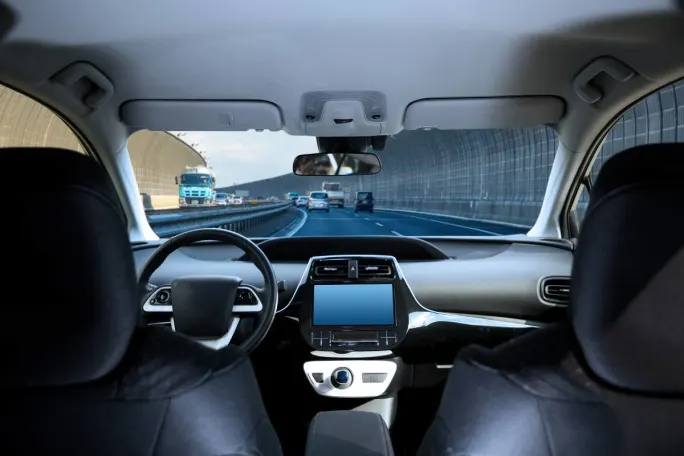
Gen Z and Millennials were most likely to prefer high or full automation in their vehicle, indicating younger generations are more accepting of advanced vehicle technology.
Photo: Enterprise Mobility
Americans Want Balance with Automotive Technology
From touch screens to self-driving vehicles, technology continues to reshape the driving experience. Rather than embracing every new feature, many drivers are calling for balance: over half say they would prefer a mix of touchscreens and physical buttons.
In addition, more than half (54%) of Americans believe new cars have too much technology, while nearly three-quarters (72%) worry about things like repair costs if something breaks. More telling, nearly 7 in 10 drivers say they would willingly give up the latest tech for a more affordable vehicle (68%).
Yet everyday tools like GPS and Bluetooth are still considered must-haves, and safety is a key consideration for consumers, with nearly half (47%) preferring advanced driver assistance features in their vehicles, including blind spot detection, automatic emergency braking, and lane departure warning.
Although fewer than 1-in-5 respondents said they desire high or full automation, Gen Z and Millennials were most likely to prefer high or full automation in their vehicle, indicating younger generations are more accepting of advanced vehicle technology.
As drivers navigate this tech shift, rentals are becoming more than just a convenience. U.S. drivers may be viewing rentals as a good way to test new features before making a long-term commitment. In fact, nearly half (48%) of U.S. drivers say they expect rental vehicles to have all the latest technology.
For Self-Driving Cars, "Experience Changes Perception”
Awareness of autonomous vehicles (AVs) is growing, climbing 8 percentage points since 2024. Among the 10% of those surveyed who have ridden in an AV, 92% reported walking away with the same or a better perception of AVs.
Broadly, Americans' comfort level with the technology has dropped 5 percentage points year over year.
“This is not surprising for an emerging technology that is starting to come into the spotlight,” said Chris Haffenreffer, VP of strategy at Enterprise Mobility.
For those cautious about the rise of AVs, the usual suspects top their worry list, from technical errors (67%) and preferring to control their own destiny (63%) to safety fears (54%).
But there's a silver lining in a cloud of caution. Six in 10 Americans who are excited about AVs recognize that they could be game changers for people who can't or don't drive (60%) and more than half (51%) recognize that AVs give riders time to do things in a car besides drive; for example, turning commutes into “me time.”
“There’s still some hesitation around AVs, but these insights reinforce the fact that experiencing technology changes everything,” Haffenreffer said. “We can expose customers to new technology to increase their comfort and adoption. We will continue to research and test new technologies, listen to our customers’ needs, preferences and concerns, and gain a deeper understanding of how these innovations could shape the future of mobility.”
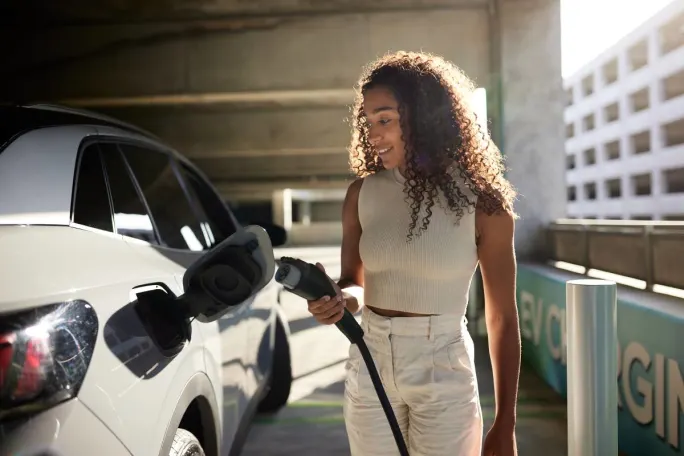
Committed enthusiasts, who are likely to purchase an EV as their next car, are as likely, or more likely, to consider purchasing an EV than they were 12 months ago (93%).
Photo: Enterprise Mobility
EVs May Have Hit a Plateau
Although more Americans are using hybrid or electric vehicles as their primary ride (up 7 percentage points year over year), overall EV consideration has hit cruise control, inching up just 1 percentage point since 2024 to 41%.
The top purchase motivators are saving money on gas (38%) and using a vehicle that’s “better for the environment” (30%), while the top deterrents are up-front costs (35%) and range anxiety (35%).
The market appears to be splitting into two camps:
Committed enthusiasts, who are likely to purchase an EV as their next car, are as likely, or more likely, to consider purchasing an EV than they were 12 months ago (93%).
Holdouts,who are unlikely to purchase an EV as their next car, remain firm in their reluctance (98%).
Regional divides also stand out, with Americans in the West (52%) more likely than those in other regions to consider EV adoption.
“For nearly 70 years, Enterprise Mobility’s business has been grounded in listening to the people we serve,” Withington said. “The results of this survey make clear that no matter how mobility evolves, the goal remains the same: Solutions that keep people at the center.”
More Survey Findings
Nearly a quarter (21%) are choosing to drive rather than fly more often this year than last year.
Around 1 in 4 employees are commuting to the office longer this year than last. 89% of those whose commute times have increased indicated they did by less than an hour, with the average increase being 16 minutes. An additional 11% of those whose commute times increased say they rose by more than an hour.
Most (54%) of Americans say they would be more willing to go into the office if their employer provided commuter benefits.
Nearly one-quarter (21%) of respondents who travel for work prefer company or rental vehicles, and the top reason is to avoid wear and tear on their personal vehicles.
Gen Z and Millennials are most inclined to use rental cars at least monthly compared to Gen X, Baby Boomer, and Silent Generation respondents.
When asked the top three factors inhibiting a car purchase over the next two years, affordability takes center stage. Concerns include:
“I can’t afford the type of car I want” (34%)
“Interest rates are too high” (31%)
“Cars are too costly to maintain” (24%)
Among respondents who use mass rapid transit at least monthly, usage is up year-over-year for Gen Z (30% in 2025 vs. 27% in 2024) and Millennials (24% in 2025 vs. 18% in 2024).
More Rental Operations
How Did This Independent Rental Operator Grow to 170 Vehicles in 4 Years?
With 170 vehicles across three Kentucky locations, Joel Price relies on an overseas team to handle reservations, payments, and after-hours customer service. It's one part of an unconventional approach to growing an independent rental operation.
Read More →
What Does It Take to Succeed in B2B Rentals?
The fundamentals may be familiar to daily car rental operators, but project-based truck rentals put different demands on the fleet and the business.
Read More →
NPR Builds on International Partnerships to Grow Rental Bookings
With Ana Laborde supporting broker development, NPR Auto Group is tailoring distribution strategies, rate packages, and partnerships to grow international reservations across its three brands.
Read More →
Advantage, Sixt Place Among Top Five in Annual Satisfaction Study
While Enterprise and National retain the top spots in JD Power’s 2026 rankings, the latest customer satisfaction results suggest renters can find competitive service beyond the biggest car rental names.
Read More →
The $100,000 Insurance Trap in Exotic Car Rentals
Exotic rental agencies often rely on customers’ personal auto policies to protect six-figure vehicles. But policy language can dramatically change the coverage for vehicles over $100,000 MSRP.
Read More →
The Booking Is Confirmed, But Is Your Customer Ready to Drive?
For international renters, a confirmed reservation doesn’t always mean they’re eligible to drive. Earlier checks can help operators catch documentation and payment issues before the customer reaches the counter.
Read More →
ICRS 2027 Opens Call for Papers
The International Car Rental Show seeks session proposals on the business, operational, and technology issues facing car rental operators. Submissions are due Jan. 15.
Read More →
Turo to Launch Vehicle Delivery Service
Turo Delivered will let travelers search for vehicles that hosts can deliver directly to hotels, homes, airports, train stations, and other locations.
Read More →
Palm Beach Airport Code Change Creates Car Rental Distribution Gap
A test of rental searches under the old PBI and new DJT airport codes returned largely different sets of brands and vehicles, highlighting a potential distribution problem for rental operators.
Read More →
U-Save Continues Dominican Republic Expansion with Launch in Punta Cana
The new franchise location builds on U-Save’s existing Santo Domingo operation and will begin taking reservations for October 2026.
Read More →