





Related: Pandemic Survey: Most Operators Report Revenue Drop of 75%-100%
IBM Survey: Does Altered Consumer Behavior Benefit Car Rental?
The survey revealed that 1 in 4 respondents plan to use a personal vehicle as their exclusive mode of transportation going forward, though nearly 25% said they will hold off on buying one for more than six months.
June 8, 2020
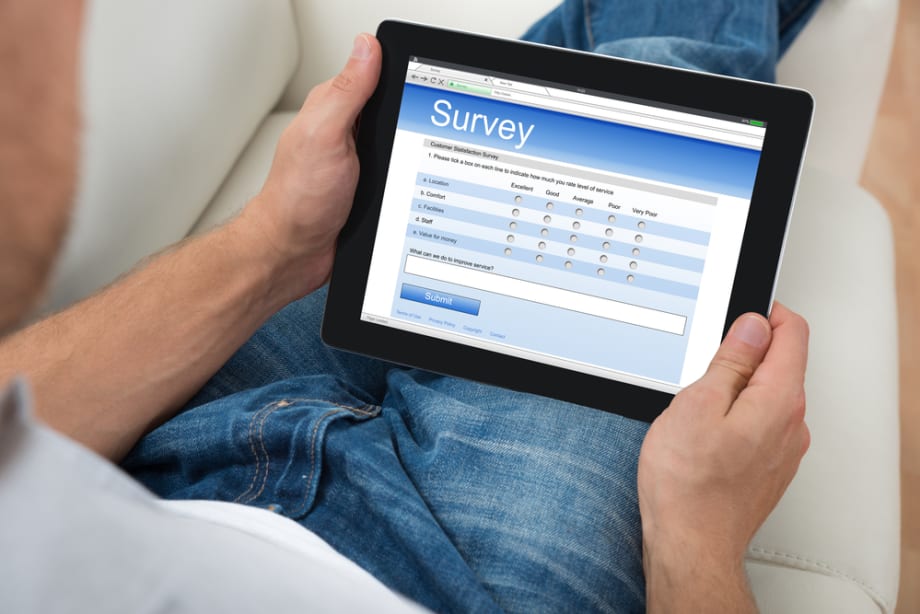
The results revealed that not only do U.S. consumers surveyed plan to make significant changes in the way they go about their lives and work in the wake of the virus, but also that there tend to be stark regional contrasts about those plans depending on where those consumers reside.
Photo via Depositphotos.
3 min to read
Findings from an IBM Institute for Business Value (IBV) survey of U.S. consumers, released on May 1, reveals shifting personal behavior and preferences resulting from the COVID-19 pandemic.
The study polled more than 25,000 U.S. adults in the month of April to understand how COVID-19 has affected their perspectives on a number of issues, including retail spending, transportation, future attendance at events in large venues, and returning to work.
The results revealed that not only do U.S. consumers surveyed plan to make significant changes in the way they go about their lives and work in the wake of the virus, but also that there tend to be stark regional contrasts about those plans depending on where those consumers reside.
Many consumers indicated that they plan to reduce their use of — or forgo entirely — ridesharing and public transportation. They also indicated they are less likely to attend large events once the crisis abates but are more likely to attend sporting events.
Many respondents also expressed a reluctance and hesitation to make new car purchases due to personal financial concerns resulting from the pandemic.
"The study provides further evidence that COVID-19 is permanently altering U.S. consumer behavior. There are long-term implications of the new consumer behaviors for industries like retail, transportation, and travel among others. These organizations need to quickly adapt their business models to serve the new consumer behaviors in order to survive and thrive," said Jesus Mantas, senior managing partner, IBM Services.
Among the more noteworthy findings:
The survey results show consumer attitudes toward public transportation have shifted notably. More than 20% of respondents who regularly used buses, subways, or trains now said they no longer would, and another 28% said they will likely use public transportation less often.
More than half of people surveyed who used ridesharing apps and services said they would either use these less or stop using these services completely. Findings were not quite as dire for taxis and other traditional car services, as a smaller 24% of people surveyed indicated they will no longer use these modes of transportation.
More than 17% of people surveyed said that they intend to use their personal vehicle more as a result of COVID-19, with approximately 1 in 4 saying they will use it as their exclusive mode of transportation going forward.
One third of respondents said that constraints on their personal finances will "greatly" influence their decision to buy a vehicle once COVID-19 restrictions are lifted. More than 25% said that a lack of confidence in the global and U.S. economic outlook will impact their decisions to buy a vehicle — with nearly the same number of people saying they would be holding off on buying for more than six months. Consumers added that manufacturer incentive programs are not likely to persuade or change their thinking.
When asked about attendance at various types of large events once stay-at-home restrictions are lifted, more than half of respondents said they are unwilling to be exposed to large crowds for the remainder of 2020. Conferences and trade shows had a strong response, with 75% indicating that they are unlikely to attend an in-person conference or trade show in 2020.
More Rental Operations

What Does It Take to Succeed in B2B Rentals?
The fundamentals may be familiar to daily car rental operators, but project-based truck rentals put different demands on the fleet and the business.
Read More →
NPR Builds on International Partnerships to Grow Rental Bookings
With Ana Laborde supporting broker development, NPR Auto Group is tailoring distribution strategies, rate packages, and partnerships to grow international reservations across its three brands.
Read More →
Advantage, Sixt Place Among Top Five in Annual Satisfaction Study
While Enterprise and National retain the top spots in JD Power’s 2026 rankings, the latest customer satisfaction results suggest renters can find competitive service beyond the biggest car rental names.
Read More →
The $100,000 Insurance Trap in Exotic Car Rentals
Exotic rental agencies often rely on customers’ personal auto policies to protect six-figure vehicles. But policy language can dramatically change the coverage for vehicles over $100,000 MSRP.
Read More →
The Booking Is Confirmed, But Is Your Customer Ready to Drive?
For international renters, a confirmed reservation doesn’t always mean they’re eligible to drive. Earlier checks can help operators catch documentation and payment issues before the customer reaches the counter.
Read More →
ICRS 2027 Opens Call for Papers
The International Car Rental Show seeks session proposals on the business, operational, and technology issues facing car rental operators. Submissions are due Jan. 15.
Read More →
Turo to Launch Vehicle Delivery Service
Turo Delivered will let travelers search for vehicles that hosts can deliver directly to hotels, homes, airports, train stations, and other locations.
Read More →
Palm Beach Airport Code Change Creates Car Rental Distribution Gap
A test of rental searches under the old PBI and new DJT airport codes returned largely different sets of brands and vehicles, highlighting a potential distribution problem for rental operators.
Read More →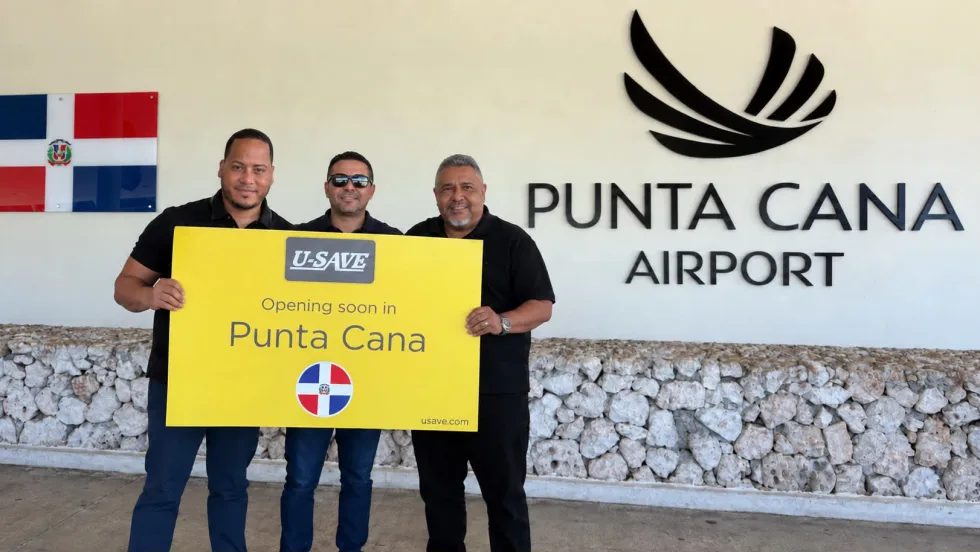
U-Save Continues Dominican Republic Expansion with Launch in Punta Cana
The new franchise location builds on U-Save’s existing Santo Domingo operation and will begin taking reservations for October 2026.
Read More →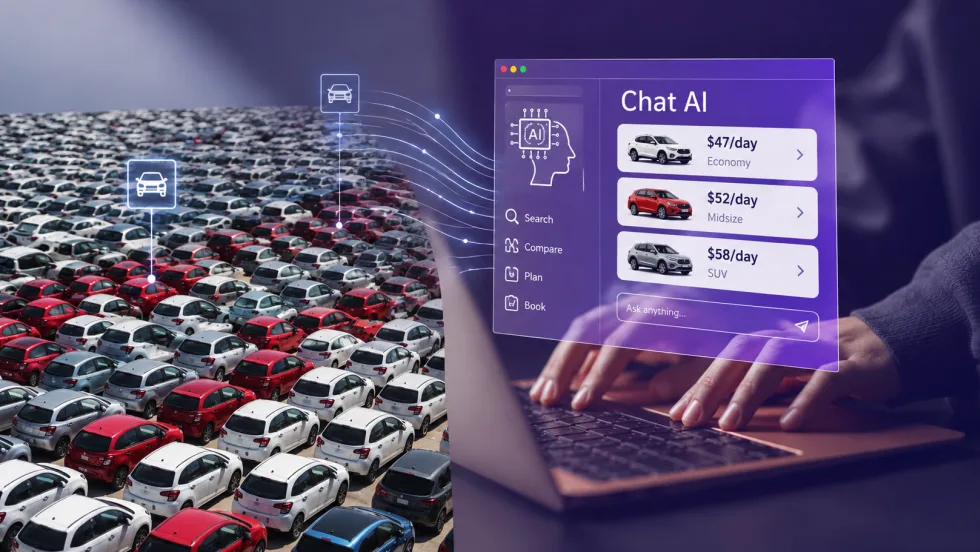
When AI Books the Rental Car, Who Controls the Sale?
As AI moves from comparing rental rates to completing transactions, operators need to understand how travelers find, interpret, rank, and ultimately see their offers. (Part 2 of 2.)
Read More →