


A Look Back: Supply, Chained: Parts Shortages, Price Hikes, and Incentive Cuts | Auto Rental News
 MENU
MENU SEARCH
In my return to writing about the day-to-day challenges of car rental, I have a few observations about shrinking vehicle mix, changing customer base, and the incessant hunt for new efficiencies.

What are you doing to find and drive new efficiencies in your rental operations?
Auto Rental News
About three years ago, I stepped away from being involved in the car rental industry on a day-to-day basis. I never really left the industry, but I wasn't living and breathing its operational details the way I had for a long time.
Three years ago was 2023. It doesn’t feel so long ago but what an extraordinary time that was.
The industry was emerging from an extreme vehicle supply shortage. Post-pandemic, rental lots were empty, new vehicles were difficult to source, demand came roaring back faster than fleets could be rebuilt, rates were through the roof, and revenue per day was too.
Extraordinary problems, or extraordinary opportunity? More like generational anomalies. Three years later, I've been reengaging with operators to figure out what’s different now.
We’ve returned to “somewhat-semi-not-quite-normal” buying and selling conditions. You still must source the vehicles, put them on rent, maximize utilization, serve the customer, and dispose of the fleet intelligently. Of course, everything is more expensive — a lot more. But the rental process is fundamentally the same.
What has changed, and is endemic to business overall, is the margin for error.
One of the first things that struck me is how dramatically the available vehicle mix has changed.
The traditional car rental class ladder of economy, compact, intermediate and full-size, premium, etc. needs to be reconfigured, as the vehicles at the bottom of that ladder barely exist anymore.
There are far fewer affordable small cars available to rental operators. Some manufacturers have exited traditional sedan segments entirely, while others are favoring profitable retail sales over allocation to rental.
At the same time, customer demand has (mostly) moved in the same direction, with small SUVs in the greatest demand. That trend started well before the pandemic, of course.
But back then, there were more available models in adjacent segments to play with. And that doesn’t account for operators with a sizable lower income clientele, who rely on models at the bottom of the ladder.
Vehicle availability has improved enormously, but that doesn't mean rental operators are getting whatever they want.
Manufacturers have become more selective about rental allocations for in-demand models. On the local level, dealers are understandably holding for retail. Yes, this was a function of the before times, but now, it feels more acute.
And fleet incentives aren't what they once were. One operator friend said his average cap cost is up almost $7,000.
Fortunately, wholesale values are relatively healthy, keeping lifecycle costs in check. But that doesn't eliminate the risk; it makes selecting the right vehicle even more important.
RAC Beginner’s Lesson #104: The question isn’t “How many cars do I need?” Instead, it’s “Which cars do I need, what will they earn, how long should I hold them, and what are they likely to be worth when I'm finished with them?”
Beginner’s stuff, but how you handle those answers has taken on much more importance.
For independent operators, the local renter remains critical, but inflation has put pressure on the value consumer in general. When households are paying more for groceries, gasoline, housing, and practically everything else, discretionary travel competes for a smaller share of the wallet.
Coming out of COVID, it didn't make economic sense to put a scarce vehicle into a lower-rate replacement rental. Why rent to a body shop or dealership at a deeply discounted rate when that same vehicle could command multiples elsewhere?
As supply normalized, that equation changed.
Replacement, insurance, and other neighborhood business is once again good business. One operator has made a move from local B2C to more B2B and considers it one of his most successful recent initiatives.
Meanwhile, international inbound has also softened in most destination markets. That may take until 2028 to ameliorate.
You can try new things to grab more of the smaller inbound pie, or you can diversify to other sources of business for which you have more control. Instead of looking for more renters, concentrate your efforts on finding the right mix of renters.
Higher acquisition costs make utilization even more unforgiving.
That operator friend said he once carried 40 full-size pickup trucks to satisfy the seasonal needs of a large account. Those trucks weren't utilized constantly, but having them available was part of maintaining the business relationship.
Today, RACs simply don't have that luxury. An expensive vehicle sitting idle waiting for occasional demand carries a much larger penalty today. The days of carrying "just-in-case" fleet are harder to justify.
The other theme that keeps coming up is efficiency — granular, operational efficiency.
One operator put it in stark terms: The margin between making money and losing money has become extremely thin.
Smart operators are looking at every piece of the rental and fleet puzzle:
· How long does a counter transaction take?
· How many employees are required to process a given number of rentals?
· Can customers enter information themselves while they're waiting?
· Can a vehicle walk-around be completed on a customer's phone?
· Can repetitive communications be automated?
· Are you paying unnecessary payment-processing or software costs?
· Is every vehicle earning enough to justify remaining in the fleet?
The objective shouldn't be to reduce headcount. But if automation allows the same employee to manage more transactions, or gives a salesperson more time to develop profitable B2B accounts, that employee has become more productive.
This feeds into the evolution of the rental transaction itself.
COVID accelerated the move toward contactless, but customer preference has kept it moving. Like all other processes in life today, customers expect digital efficiency. In rental, that’s providing information digitally, verifying credentials faster, bypassing unnecessary counter interactions, and getting into the vehicle quickly.
As seen on the show floor of the 2026 ICRS, remote agents and even AI agents are gaining a foothold. Fraud-screening tools have improved, including more sophisticated facial verification.
Artificial intelligence is accelerating all of this and being applied to rate recommendations, demand forecasting, fleet decisions, customer communications, reporting, and other repetitive operational functions.
That said, we’re not yet at completely unattended, carsharing-like rental operations, as was projected 10 years ago. Instead of contactless, think frictionless.
So, there has been no revolution in car rental in three years. But change has been greater than just incremental.
The extraordinary conditions of three years ago were never going to last. We’re back to fundamentals, but many of the underlying costs and operating assumptions have permanently changed.
That doesn't make me pessimistic about car rental. People still need vehicles, and car rental is their source. While the opportunities are still there, there's simply a smaller margin for error.
Loading data...

Rental Operations
Exotic rental agencies often rely on customers’ personal auto policies to protect six-figure vehicles. But policy language can dramatically change the coverage for vehicles over $100,000 MSRP.

In my return to writing about the day-to-day challenges of car rental, I have a few observations about shrinking vehicle mix, changing customer base, and the incessant hunt for new efficiencies.

Rental Operations
A reservation captures demand. The operating test is whether the business can keep the customer, vehicle, commercial terms, and next action aligned until the rental is closed.
Fleet Insurance
A recent precedent-setting court case points to the precautions and steps a rental fleet operation should take to minimize risk, reduce exposure, and avert legal consequences.
Rental Operations
The autonomous mobility technology revolution will move at its own pace, but sooner rather than later.
Rental Operations
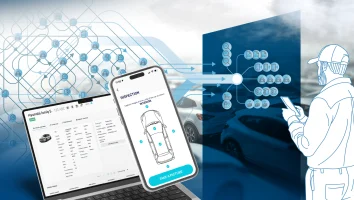
The shift from branch-based software to connected operations is turning rental technology into strategic infrastructure.
Rental Operations
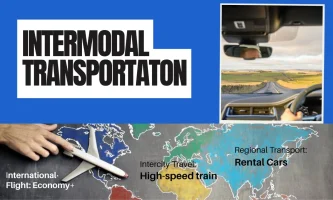
As a growing number of itineraries now feature segments with multiple transportation providers, car rental serves as a core mobility link in travel journeys.

Rental Operations
This primer on how AI intersects with rental fleet pricing covers the technology, costs, and steps to ensure an accurate, 24/7 smart system that delivers more revenue to rental car providers.
Rental Operations
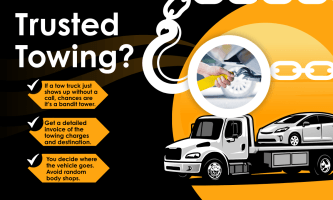
Operators often must spend far too much time and resources trying to recoup rental cars towed away and held hostage to outrageously high fees.

Rental Operations
Greater transparency, simplified digital access, and connected fleets will be the key factors in determining who comes out on top over the next 10 years.